

Where gravel is heading: trends that are changing bikes
Gravel is no longer what it was five years ago. What started as a relatively open and hard-to-define category is rapidly transforming into something much more specific.
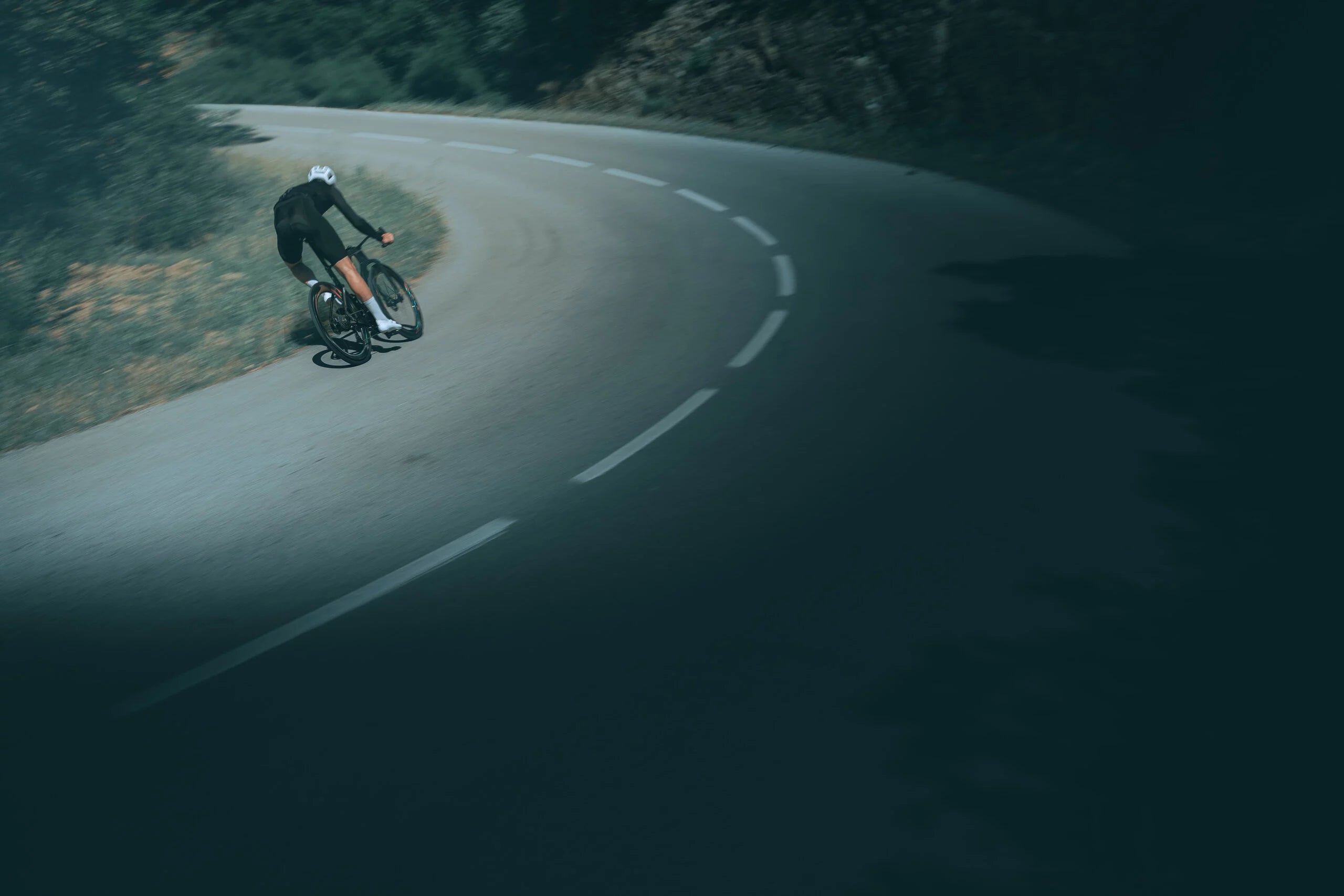
Bikes are changing, races are evolving, and equipment is increasingly geared towards a specific type of use. Today, talking about gravel no longer means talking about just one way of riding.

Gravel is no longer a single category
This is probably the biggest change of all.
Until relatively recently, most brands tried to create a single bike capable of doing everything: competing, touring, riding fast, and carrying bags. Today, the market is clearly separating into different profiles.
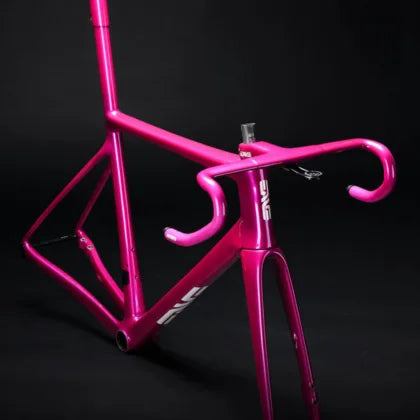
On one hand, there's gravel racing: fast, stiff, and increasingly aerodynamic bikes. On the other, gravel oriented towards adventure and ultra-distance, where stability, storage, and fatigue management are starting to weigh more heavily.
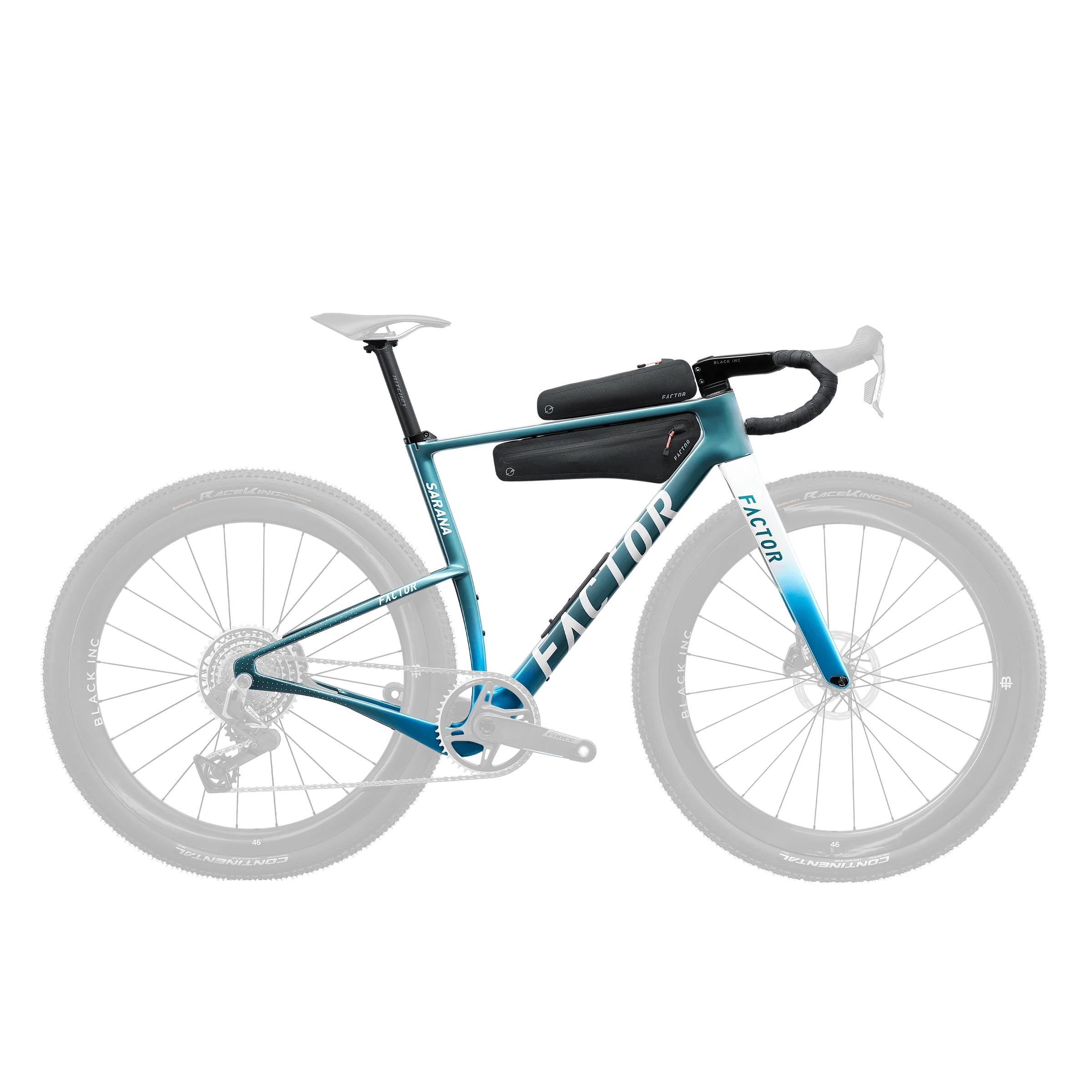
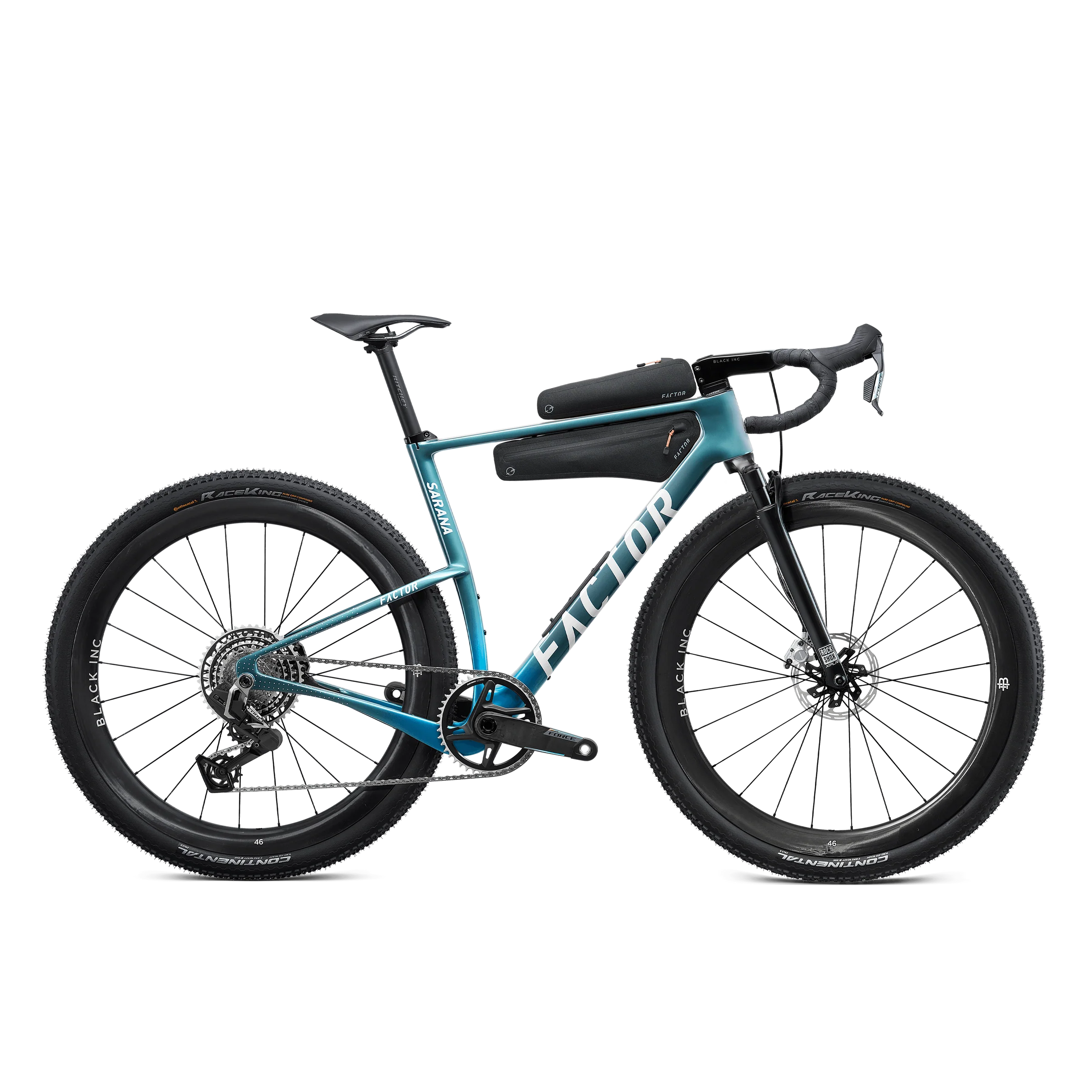
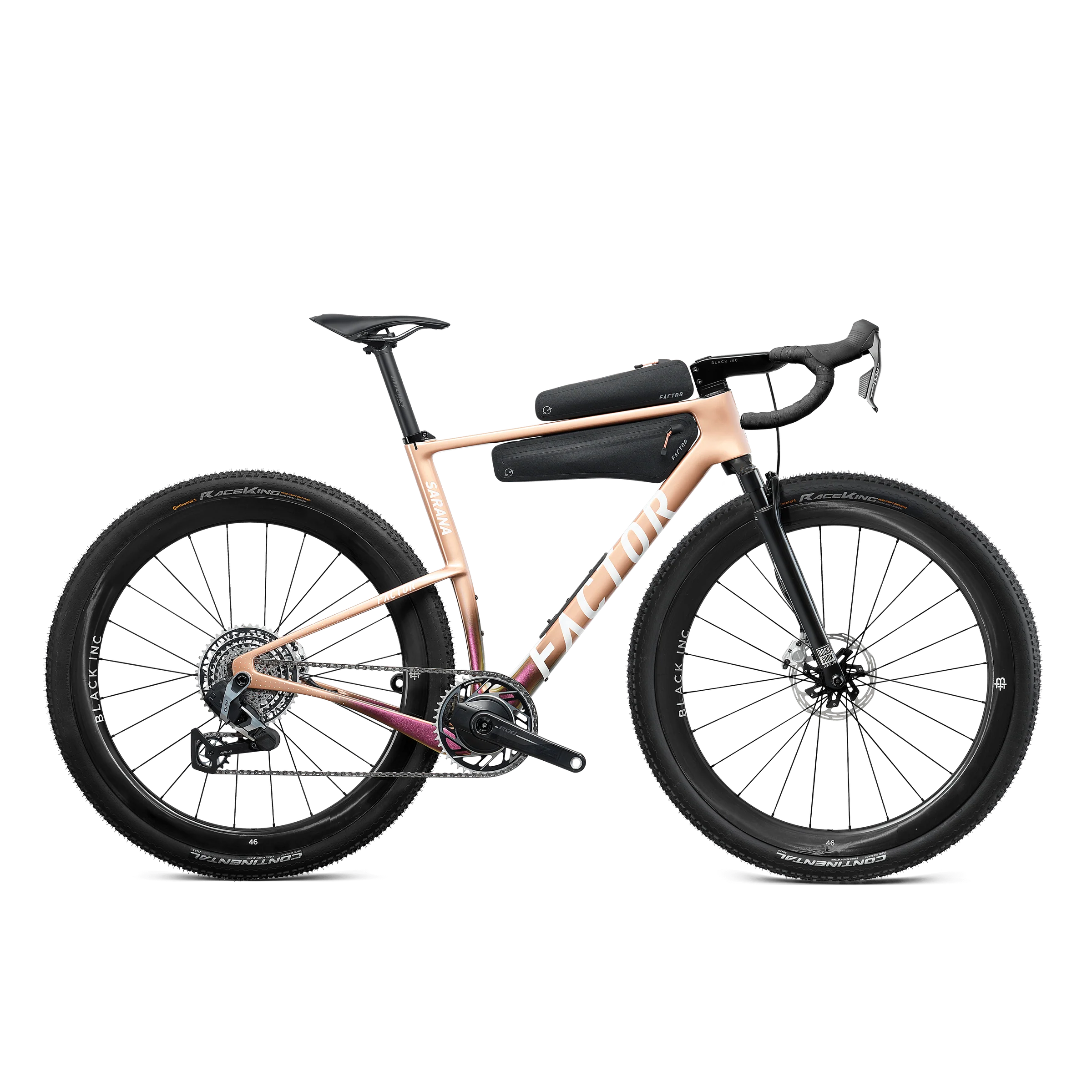
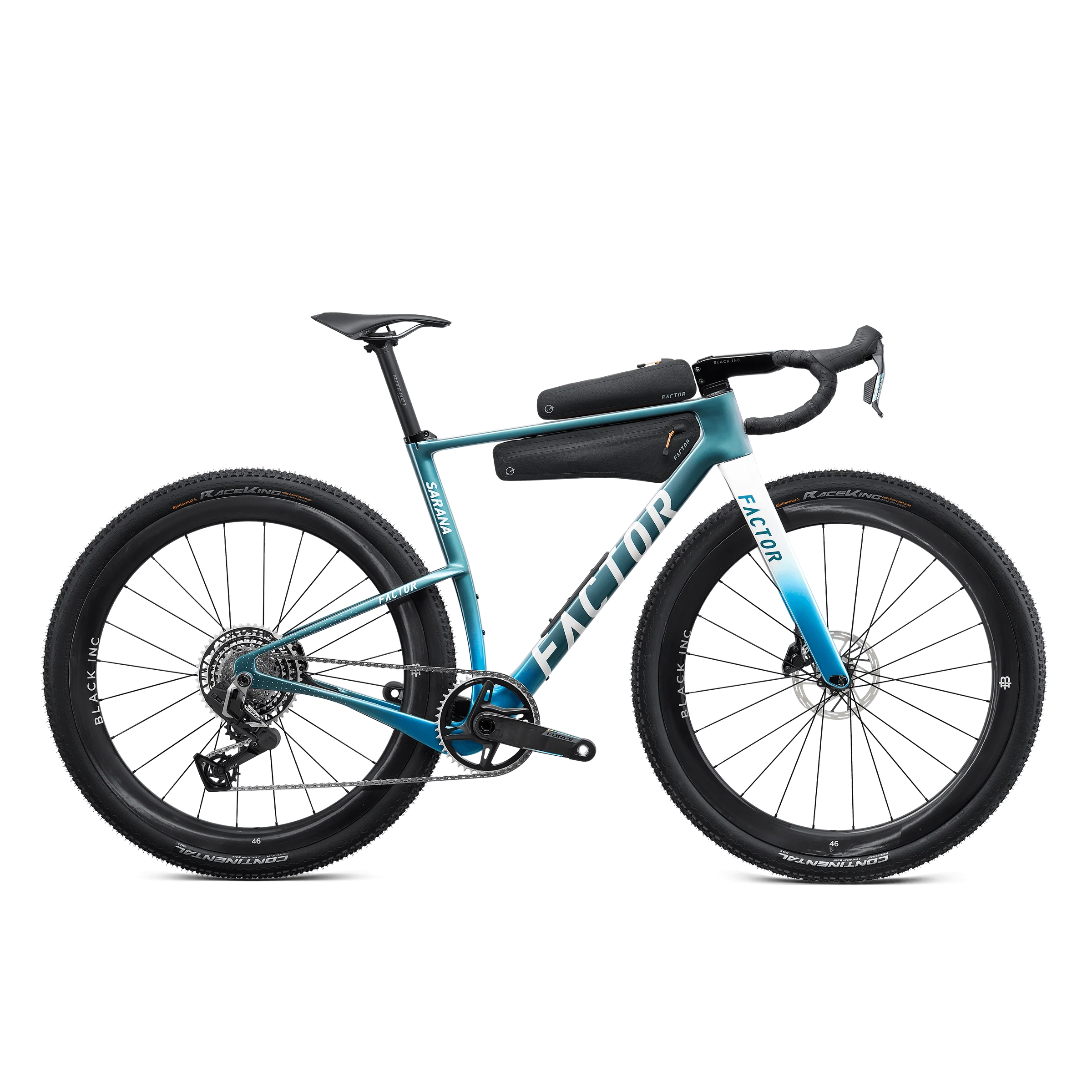
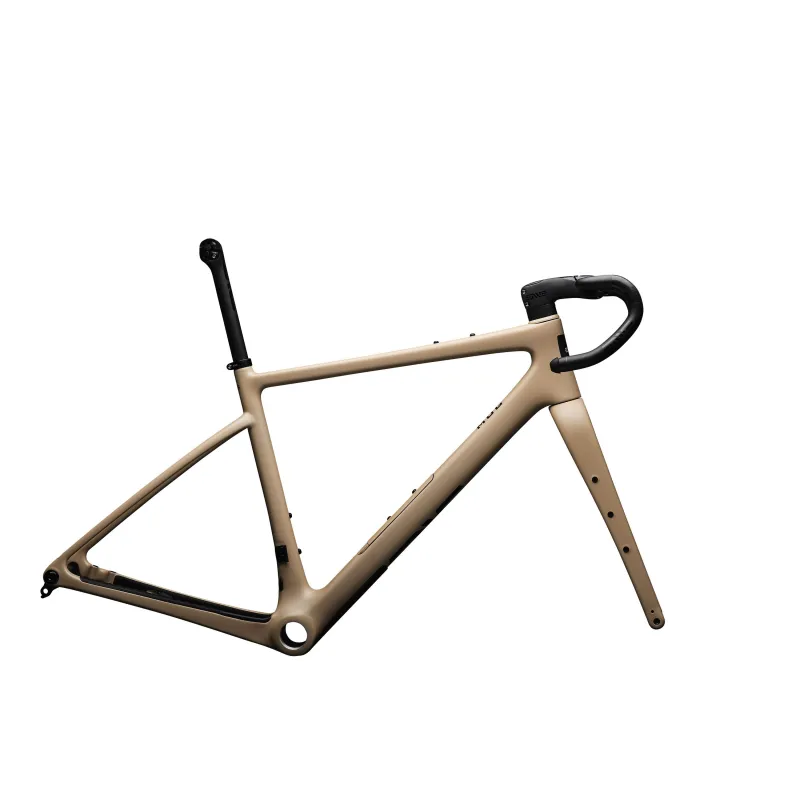
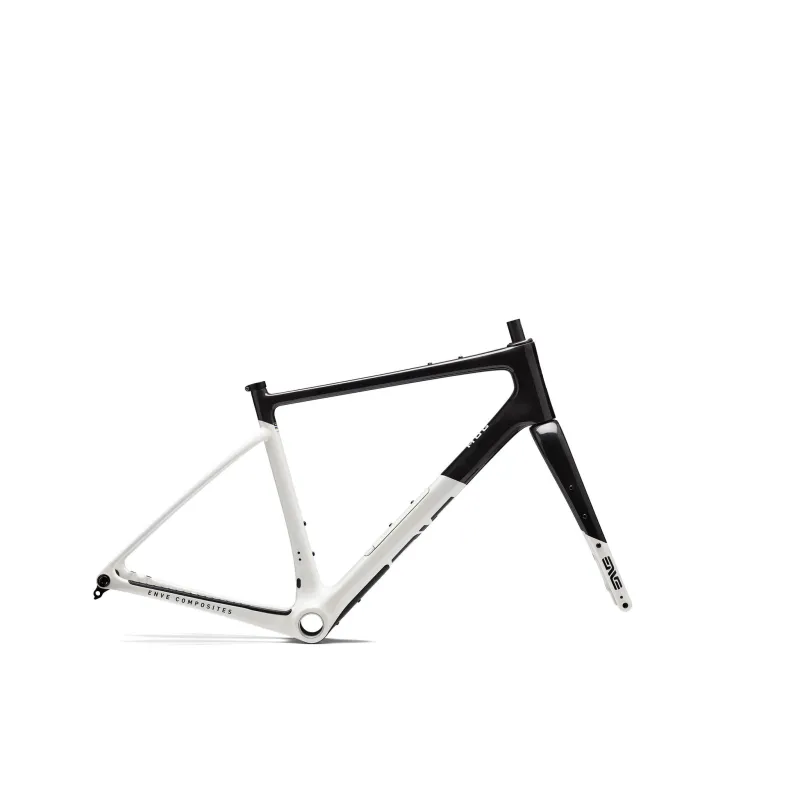
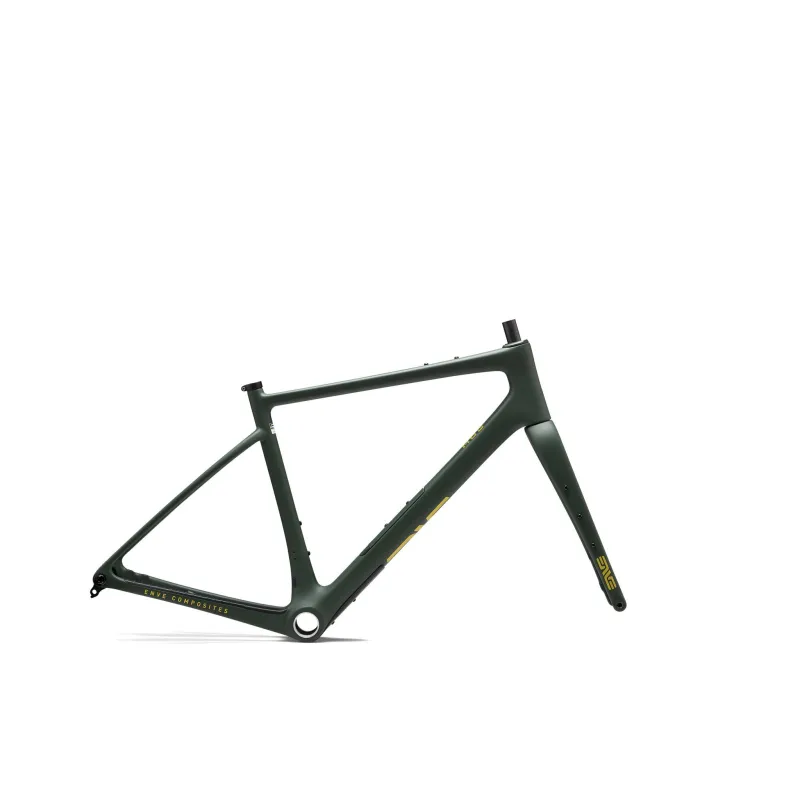
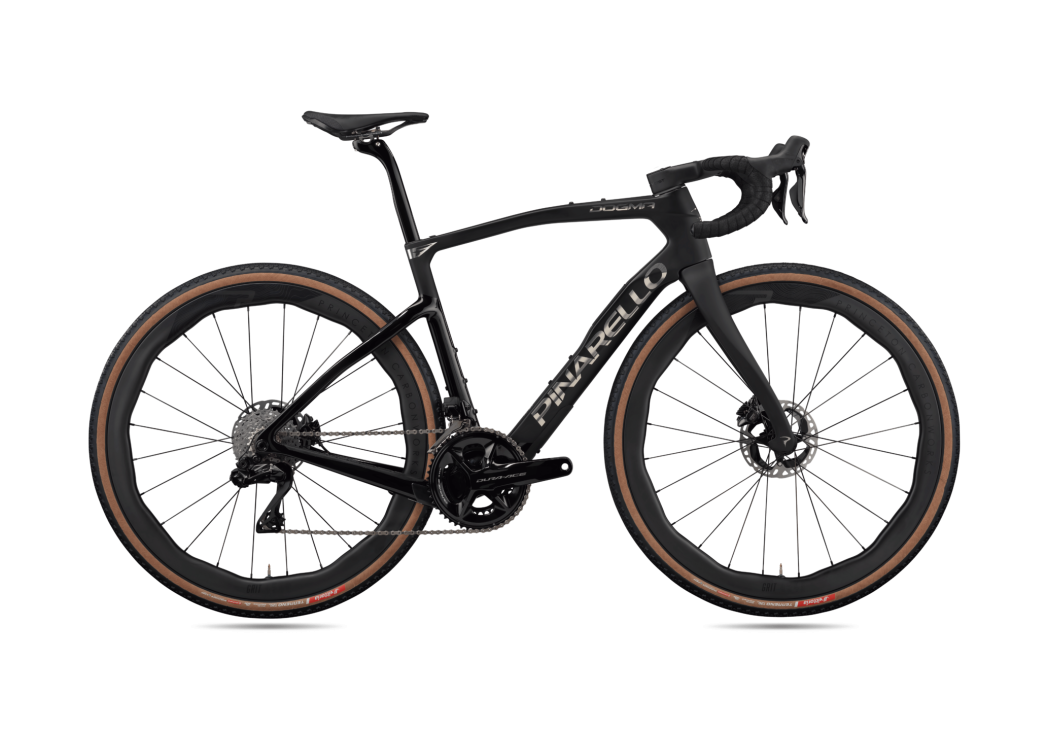
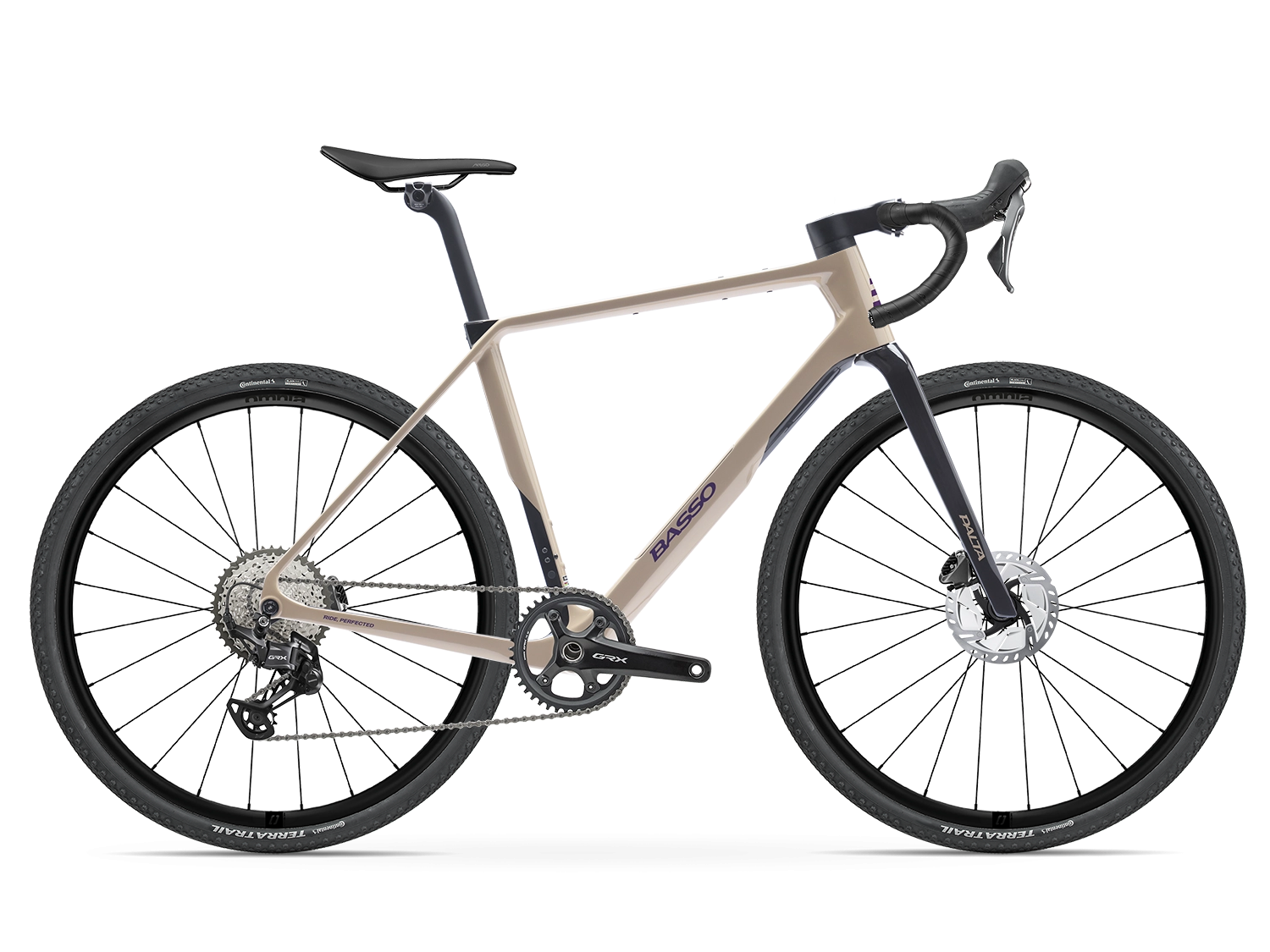
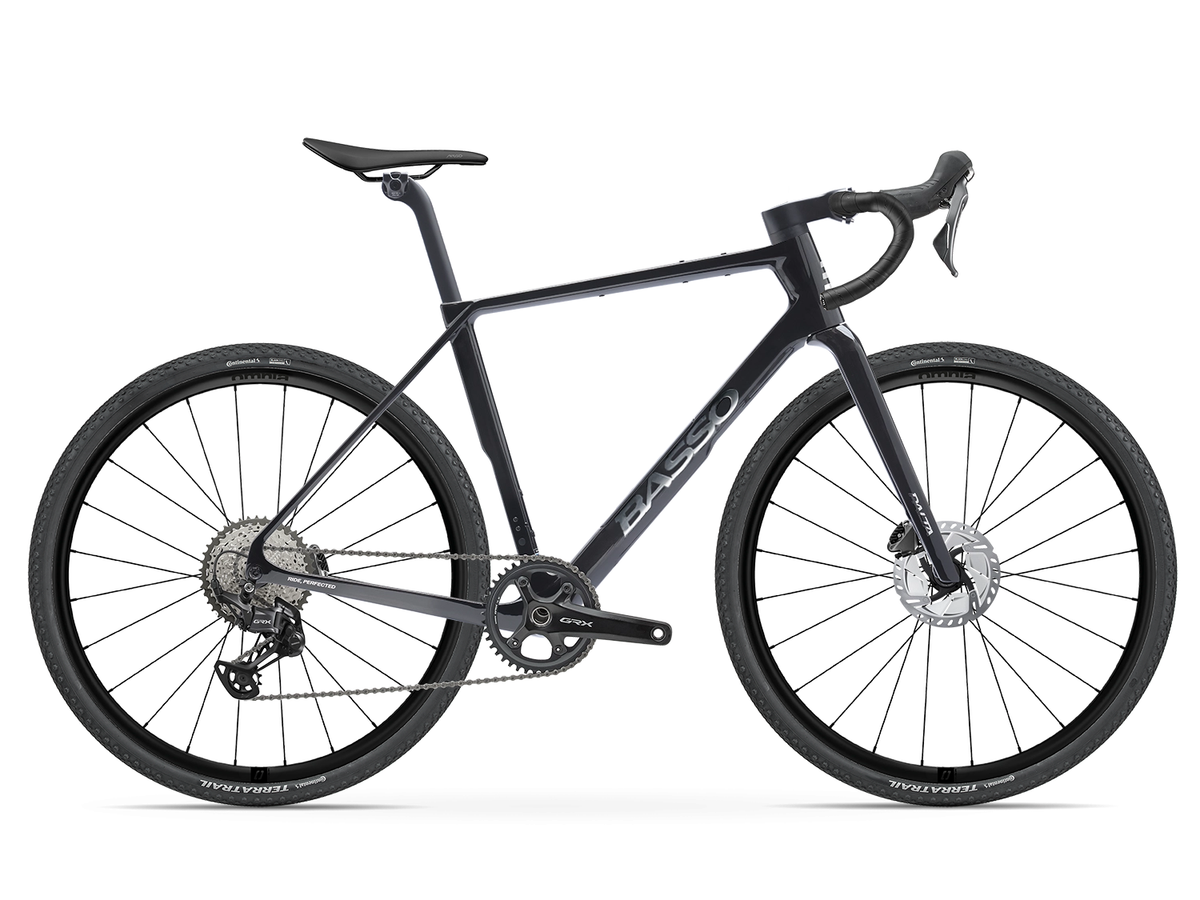
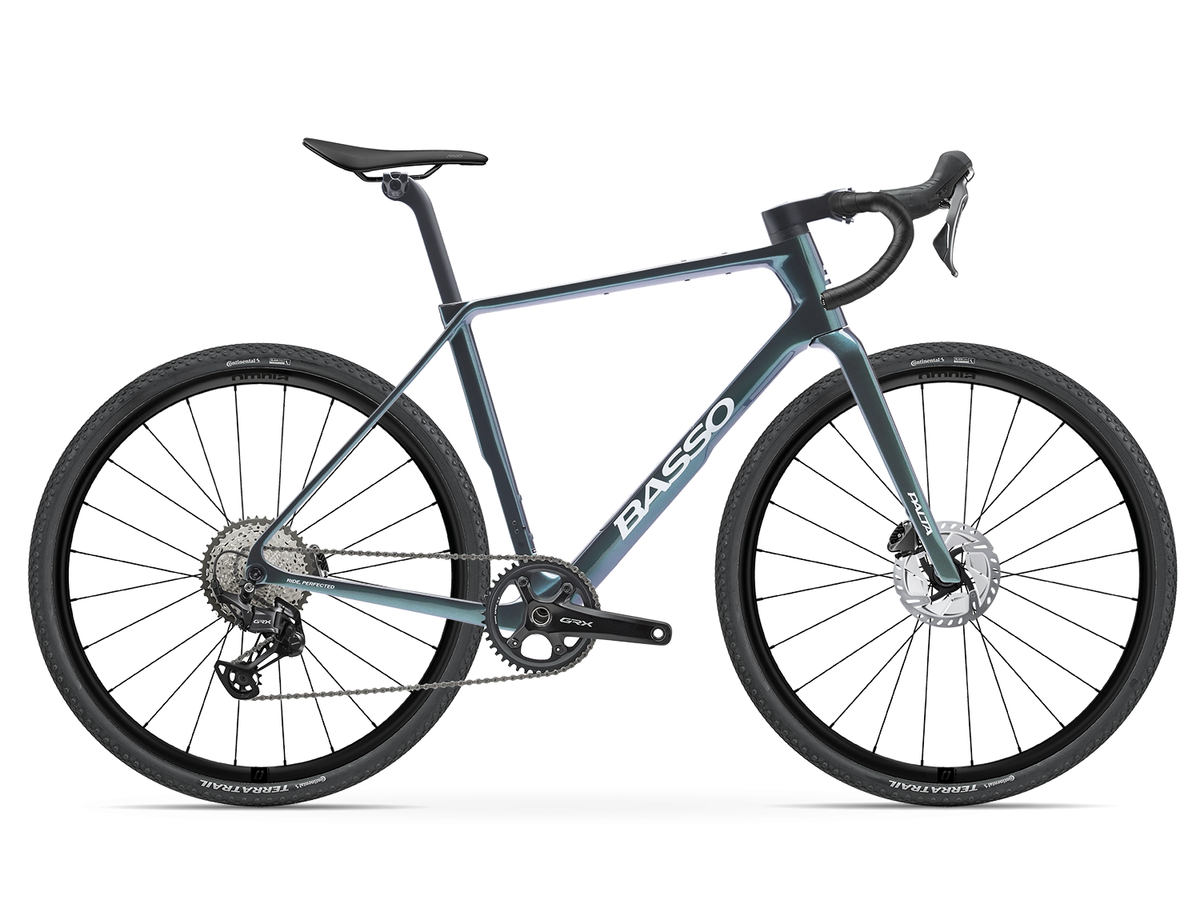
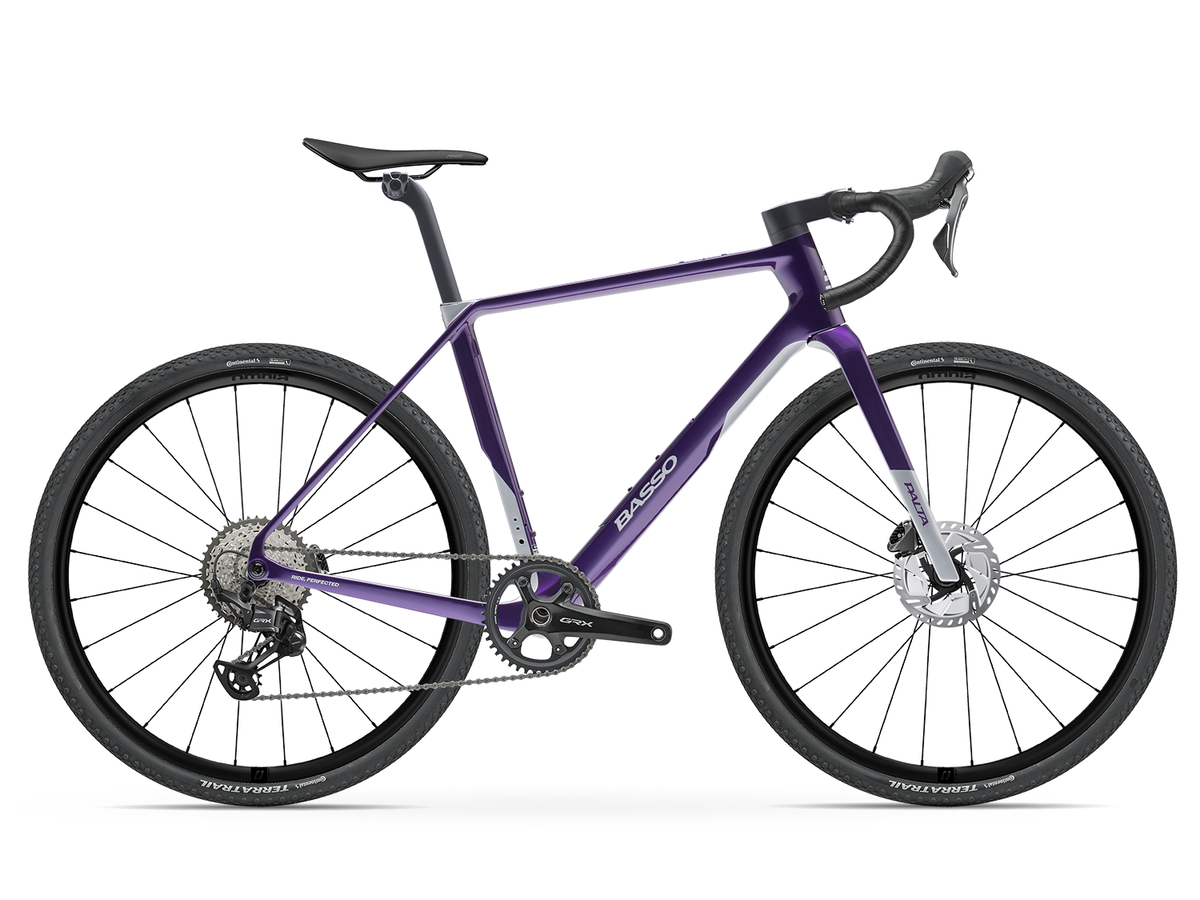
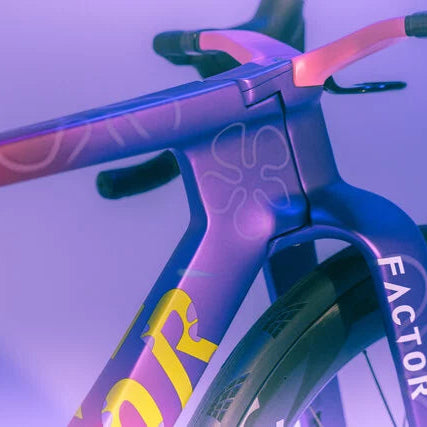
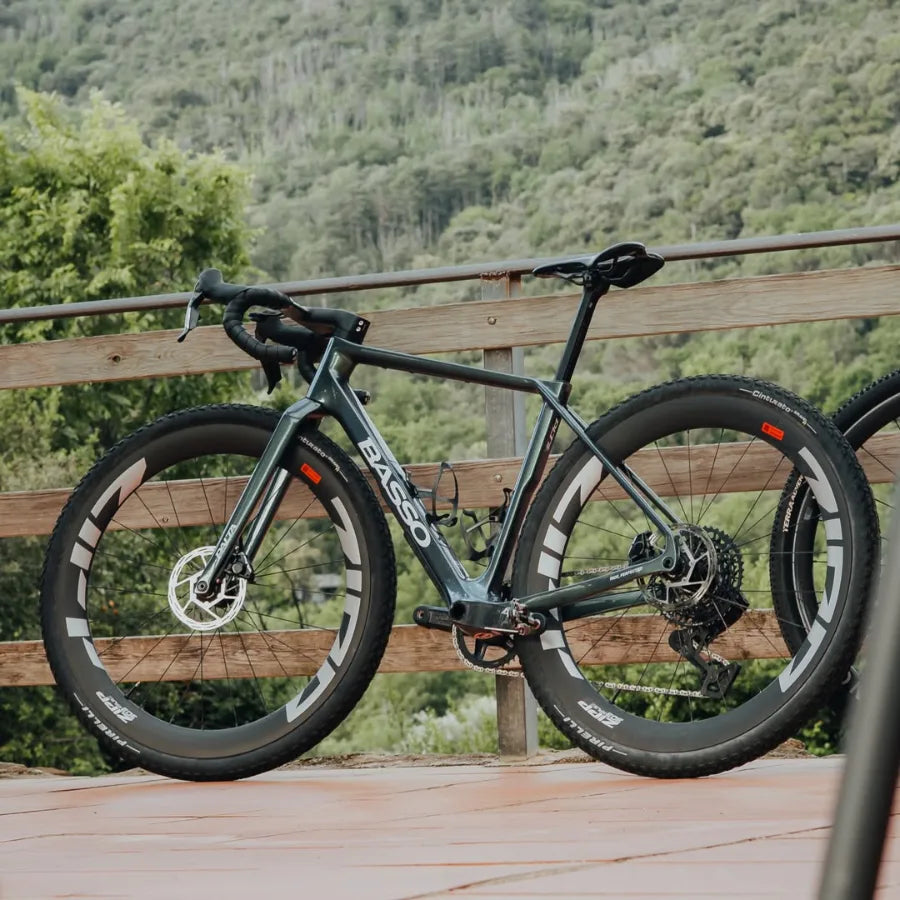
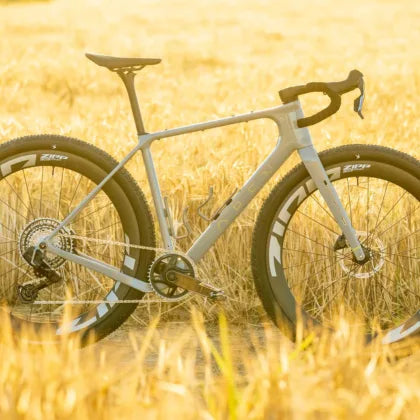
Models like the Factor OSTRO Gravel, the Basso Palta III, or the new Factor Sarana perfectly represent this evolution.

More tire clearance and wider tires
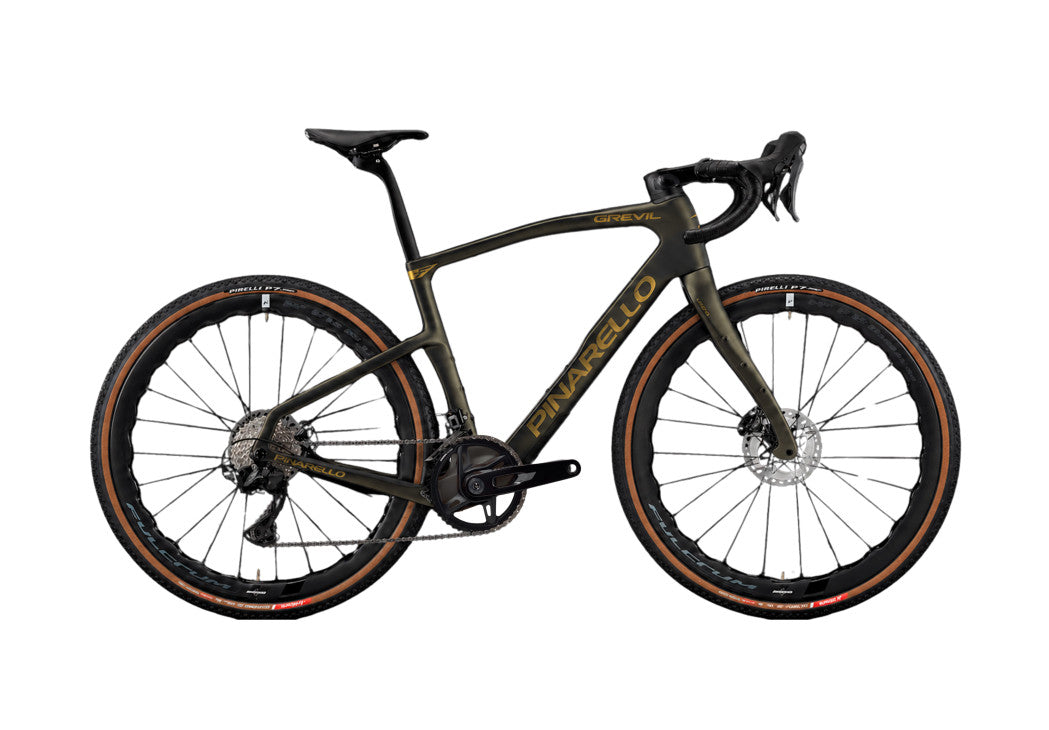
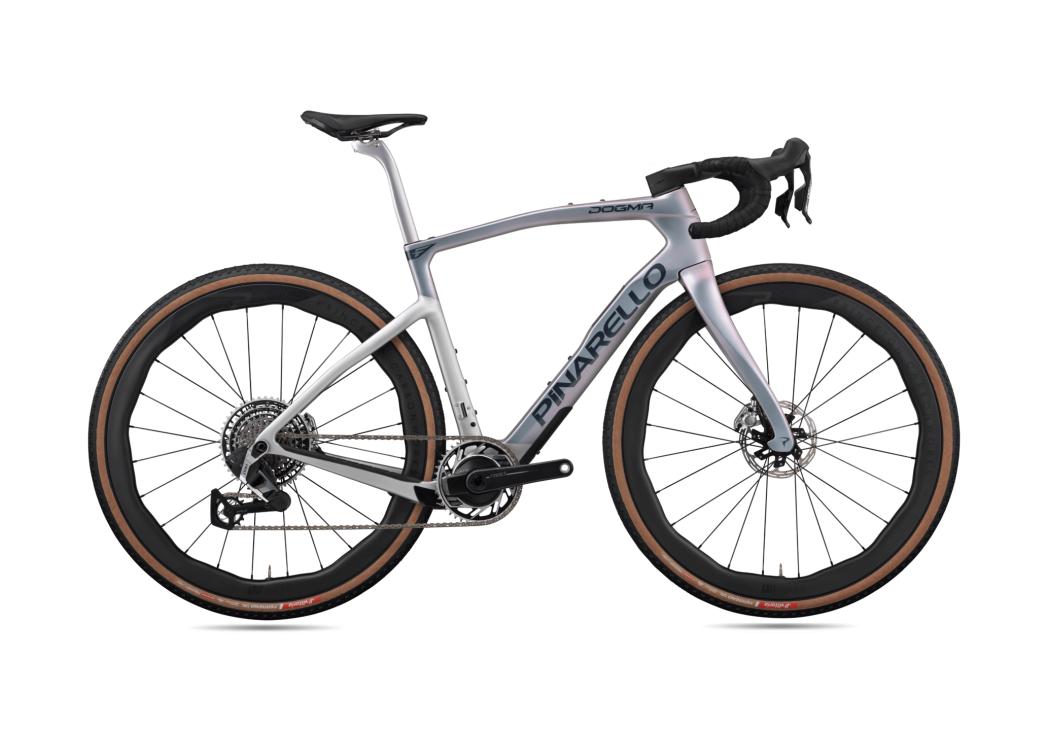
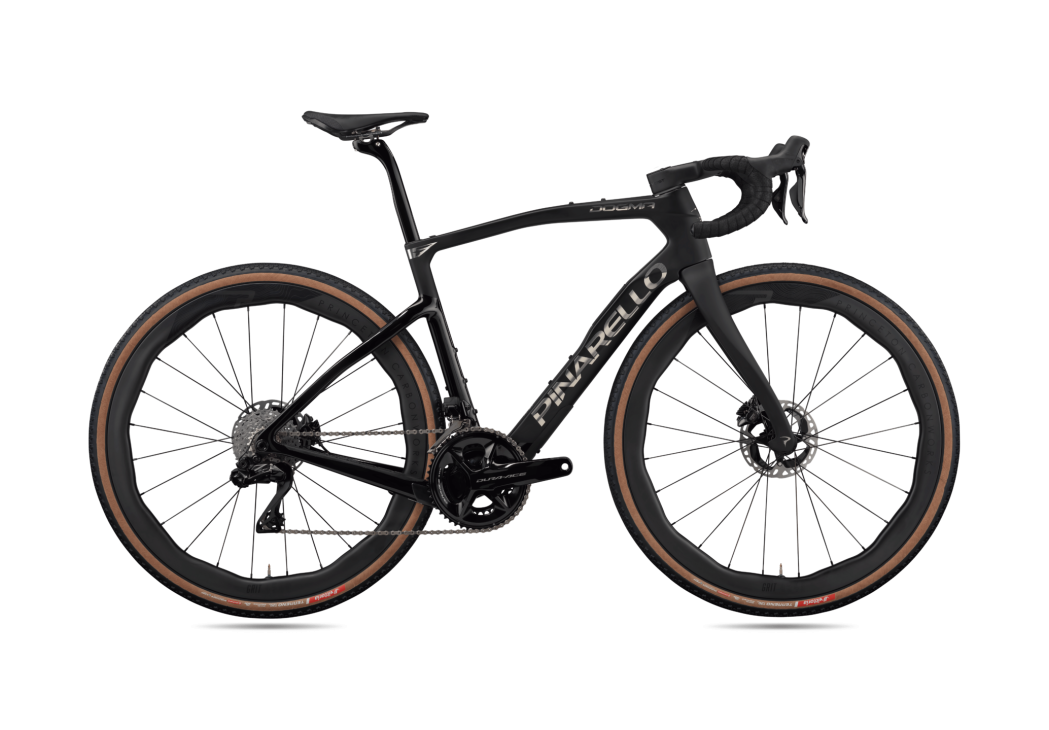
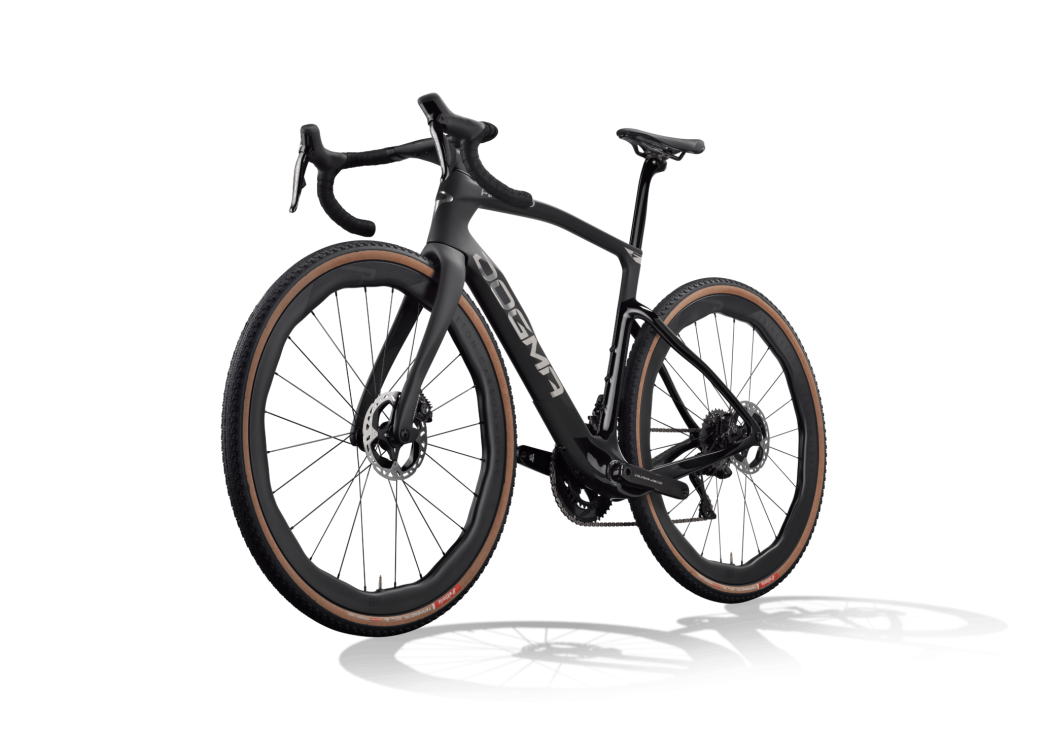
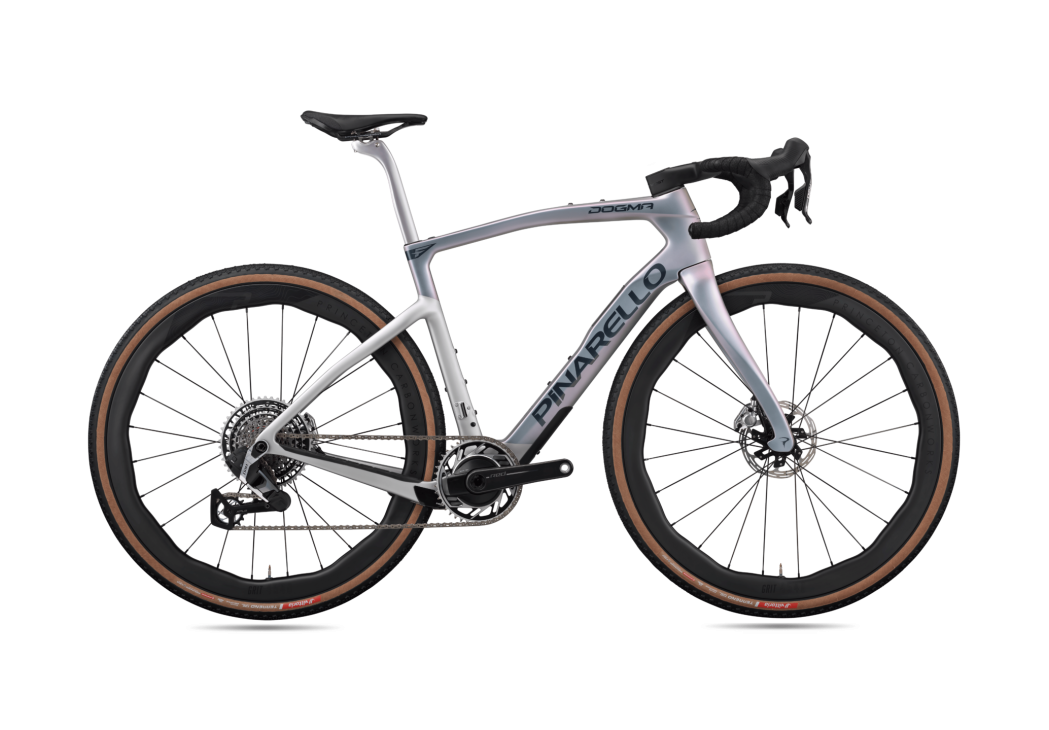
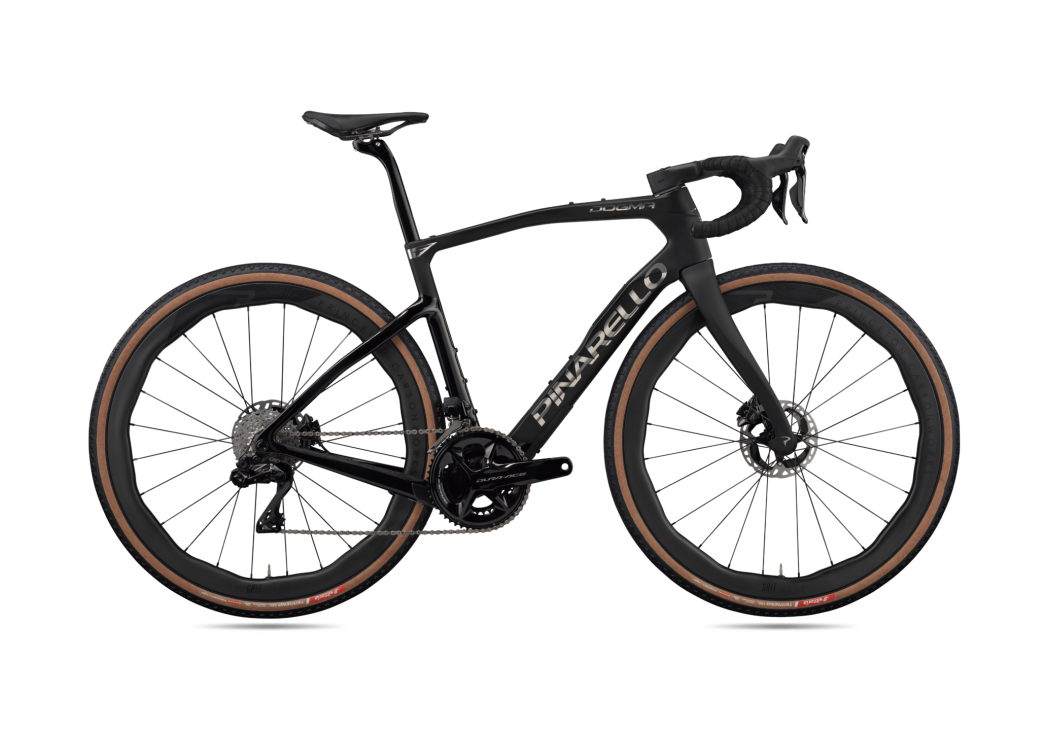
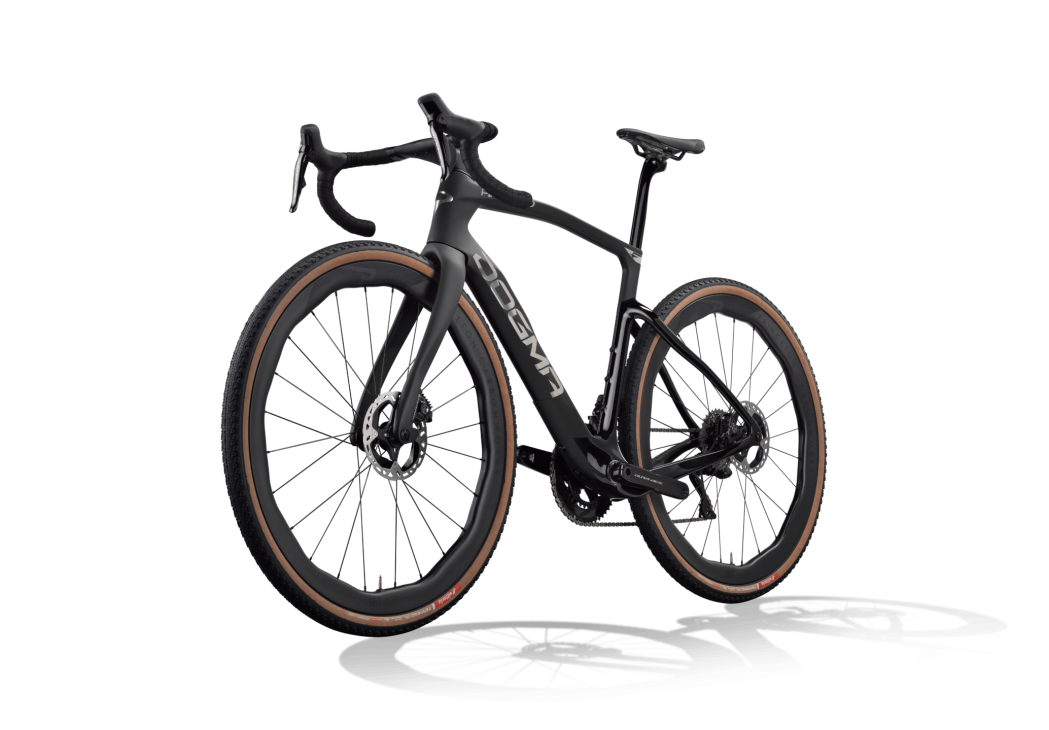
A few years ago, riding 38mm tires seemed sufficient for almost any gravel use. Now, many bikes comfortably accommodate sizes close to or exceeding 45mm.
But it's not just about comfort.
Wider tires allow for:
- More control
- Less fatigue
- More traction
- Greater speed on rough terrain
The idea that a narrower tire is always faster is starting to disappear, especially off-road.

Aerodynamics also comes to gravel
Another clear trend is the arrival of aerodynamic solutions in gravel.
Until recently, it seemed reserved for road bikes, but we are increasingly seeing:
- Integrated cockpits
- More aerodynamic frames
- Deeper wheels
- Total cable integration
The explanation is simple: many current gravel races are contested at increasingly high speeds.

The rise of ultra gravel
Ultra-distance events are growing enormously.
Events of hundreds of kilometers, self-sufficiency, and full days on the bike are pushing the development of new platforms specifically focused on endurance and sustained efficiency.
The recent Factor Sarana is one of the clearest examples of this new trend: a bicycle designed specifically for extremely long races.
Suspension is starting to get serious
Another very interesting trend is the arrival of suspension solutions for gravel.
We are not necessarily talking about turning bikes into MTBs, but about allowing for:
- More control
- Less fatigue
- Maintaining speed for longer

Simpler drivetrains
1x drivetrains continue to gain ground.
Improvements in cassette ranges and 12 and 13-speed groups mean that many cyclists prioritize:
- Simplicity
- Less maintenance
- More reliability
Especially in competitive gravel and ultra-distance.
More storage and integration
Integrated storage is another clear trend.
Many modern bikes are starting to incorporate:
- Internal compartments
- Hidden attachment points
- Specific solutions for nutrition and tools
The idea is simple: carry more gear without compromising aerodynamics or bike performance.

So… where is gravel really heading?
Gravel is becoming more specialized.
There is no longer a single perfect gravel bike for everything. The market is evolving towards much more specific platforms optimized for each type of use.
And that is probably a good thing.
Because it means that bikes are starting to respond better to how each cyclist actually rides.

How we see this evolution at Dog Days
At Dog Days, we believe that gravel is entering a much more mature phase. The differences between models are no longer just aesthetic: they now respond to completely different philosophies of use.
Therefore, rather than looking for "the best gravel bike," it makes more sense to look for the gravel bike that best suits you.