
What Really Makes a Bicycle Fast
For years, cycling has been obsessed with one number: weight.
The lighter a bike was, the faster it seemed. But modern cycling has changed a lot, and today the fastest bikes in the world are no longer designed solely around grams.
The reality is much more complex.

The lightest bike is not always the fastest
Reducing weight is still important, especially when climbing. But the real difference between modern high-end bikes is often much smaller than most people imagine.
In many real-world scenarios, especially when riding fast or on flat terrain, other factors begin to have a much greater impact:
- Aerodynamics
- Wheels
- Rider position
- Tires
- Stability
That's why many current bikes are no longer simply seeking to be ultralight, but rather more efficient overall.

Aerodynamics are more important than they seem
Above a certain speed, the biggest enemy ceases to be weight and becomes air.
That's why modern bikes are increasingly focusing on integration:
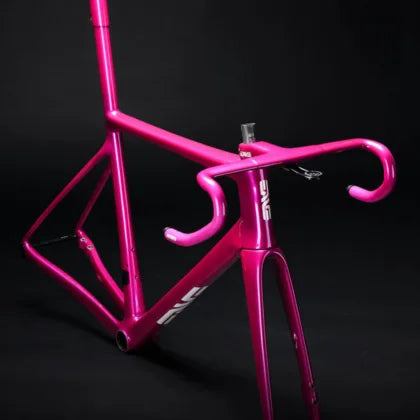
- Integrated cockpits
- Internal cabling
- Optimized profiles
- Deeper wheels
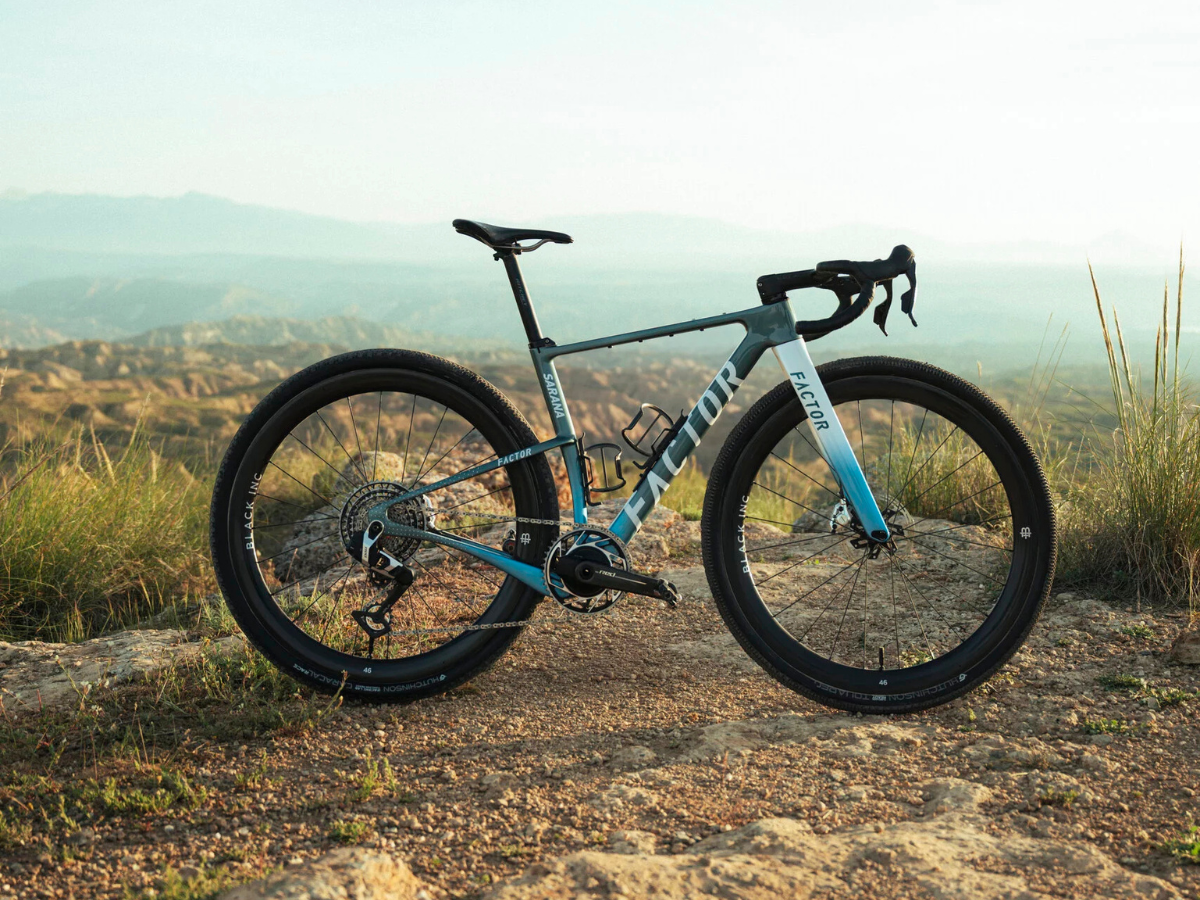
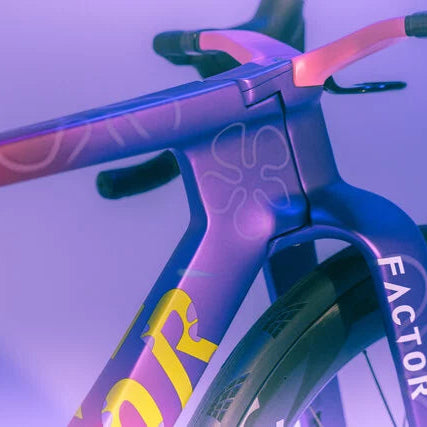
Models like the Factor ONE take this philosophy to the extreme, developing the bicycle around airflow as a complete system and not just as an isolated frame.
Today, a modern aero bike can be faster uphill than a traditional ultralight bike, simply because it maintains speed better in almost every other scenario.

Wheels change more than many believe
One of the elements that most transforms a bicycle is the wheels.
Modern wheels can improve:
- Acceleration
- Sustained speed
- Stability
- Bike responsiveness
And what's more, today's wheels are no longer just about stiffness. They also focus on:
- Aerodynamics
- Internal width
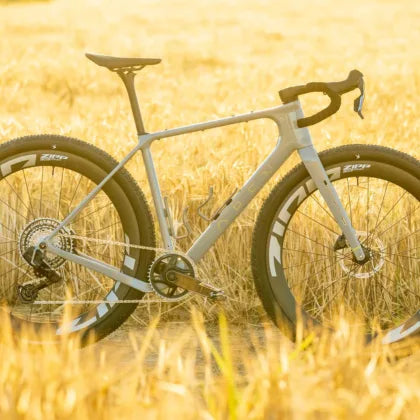
- Performance with wider tires
This is one of the most important changes in modern cycling.

Tires have completely changed performance
For a long time, we thought that a narrow, hard tire was faster.
Today we know that's not always the case.
Wider tires with less pressure allow for:
- More control
- Less fatigue
- More traction
- Maintaining real speed on imperfect asphalt
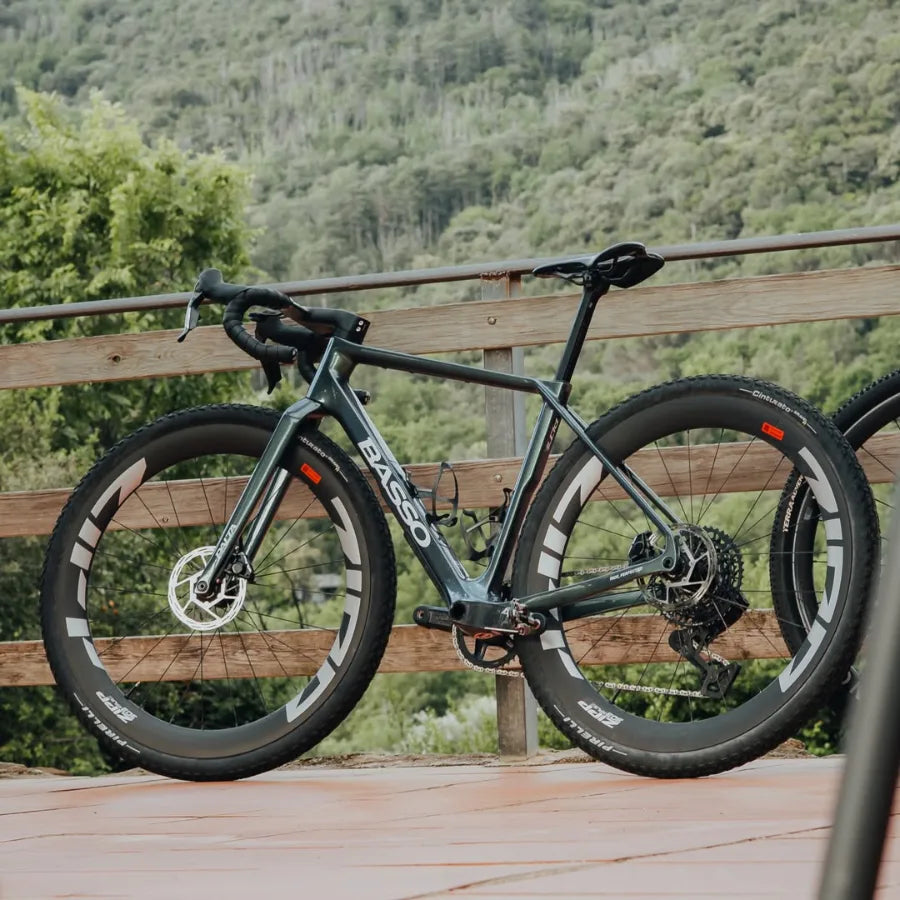
That's why even modern road bikes are starting to use much wider tires than they did just a few years ago.

Stability is also speed
A fast bike doesn't just accelerate well. It also needs to allow for maintaining speed for a long time.
Geometry and stability influence much more than it seems:
- How the bike descends
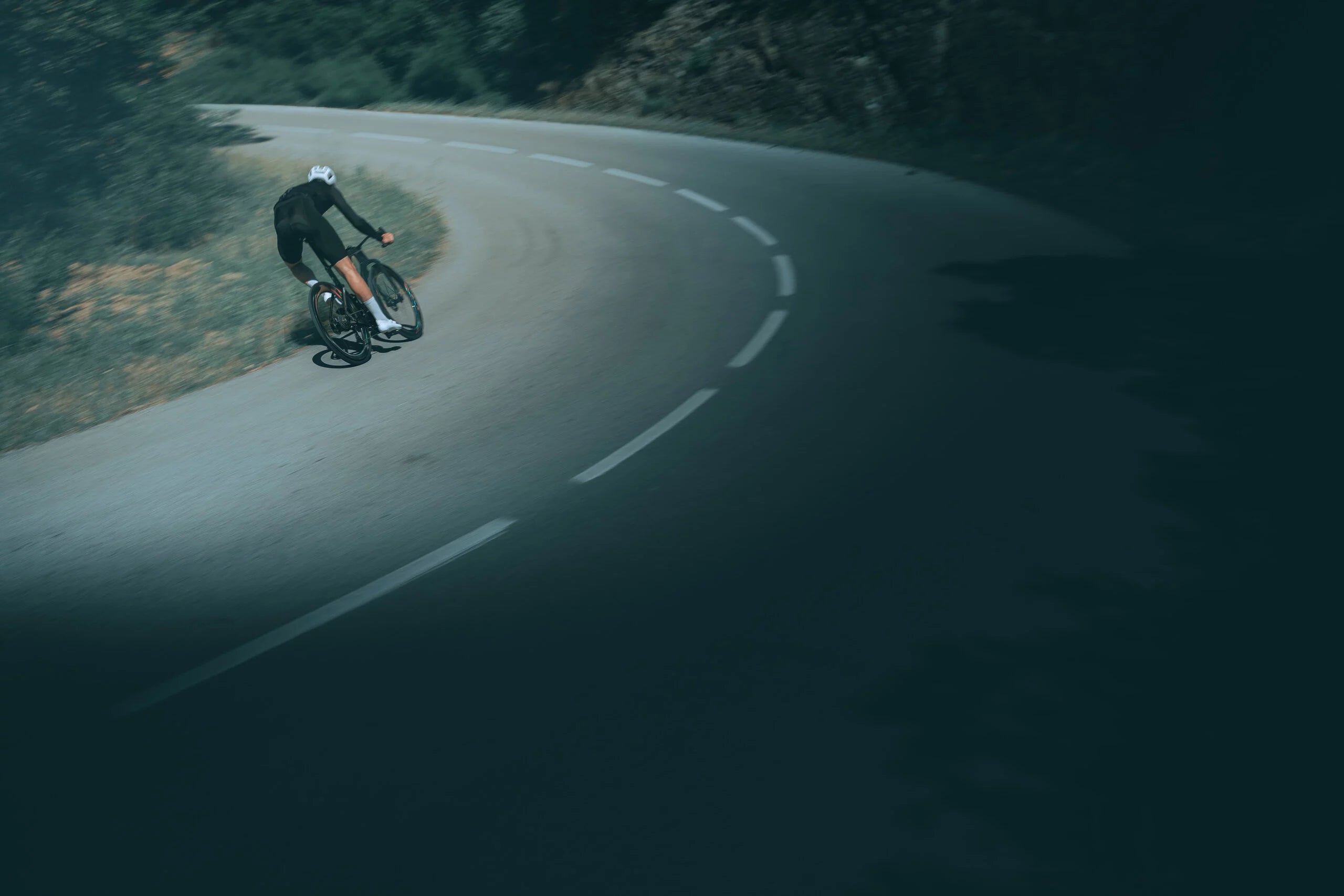
- How it enters a corner
- How it responds when fatigue sets in
- How it inspires confidence
Many modern bikes seek precisely that: to make the rider expend less physical and mental energy when riding fast.

The rider is still the main factor
No matter how advanced a bicycle is, the most important element is still the rider.
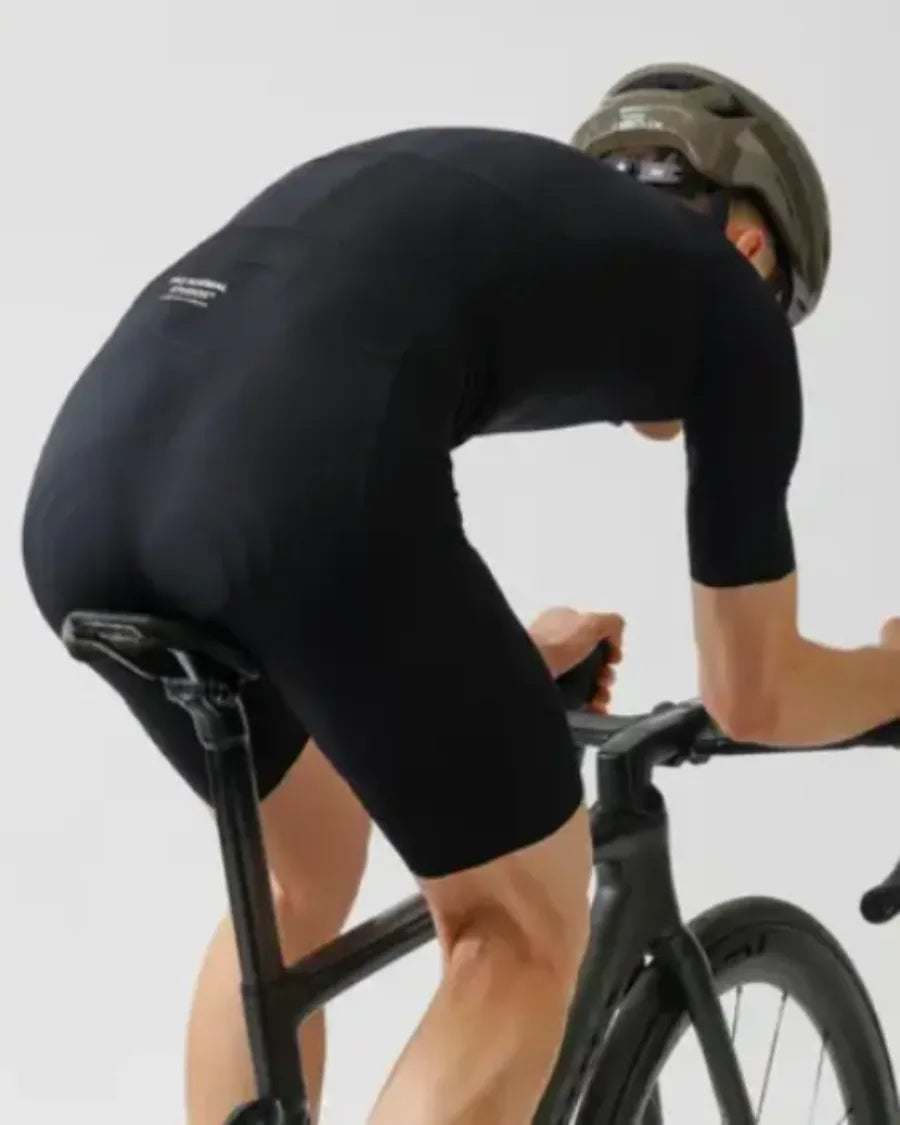
Position, fit, and the correct choice of equipment have a much greater impact than most people imagine.
That's why there is no universal "fastest" bike. There is a bike that works best for a specific type of rider and use.
How we understand performance at Dog Days
At Dog Days, we believe that a fast bike is not simply the one with the most aggressive technical specifications.
It's the one that makes the whole system—bike, wheels, tires, and rider—work efficiently and balanced in real conditions.
And precisely for this reason, modern cycling is evolving towards bikes that are increasingly complete, integrated, and optimized as a system.
Because real speed is not always where we think it is.