

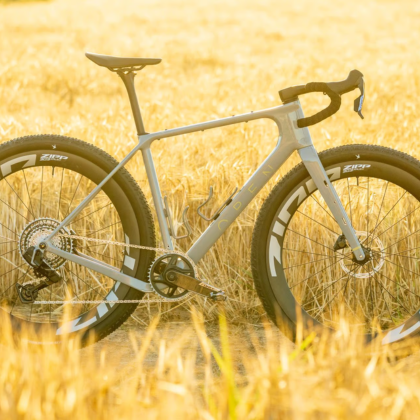


32-inch wheels in gravel: revolution or solution for a very specific problem?
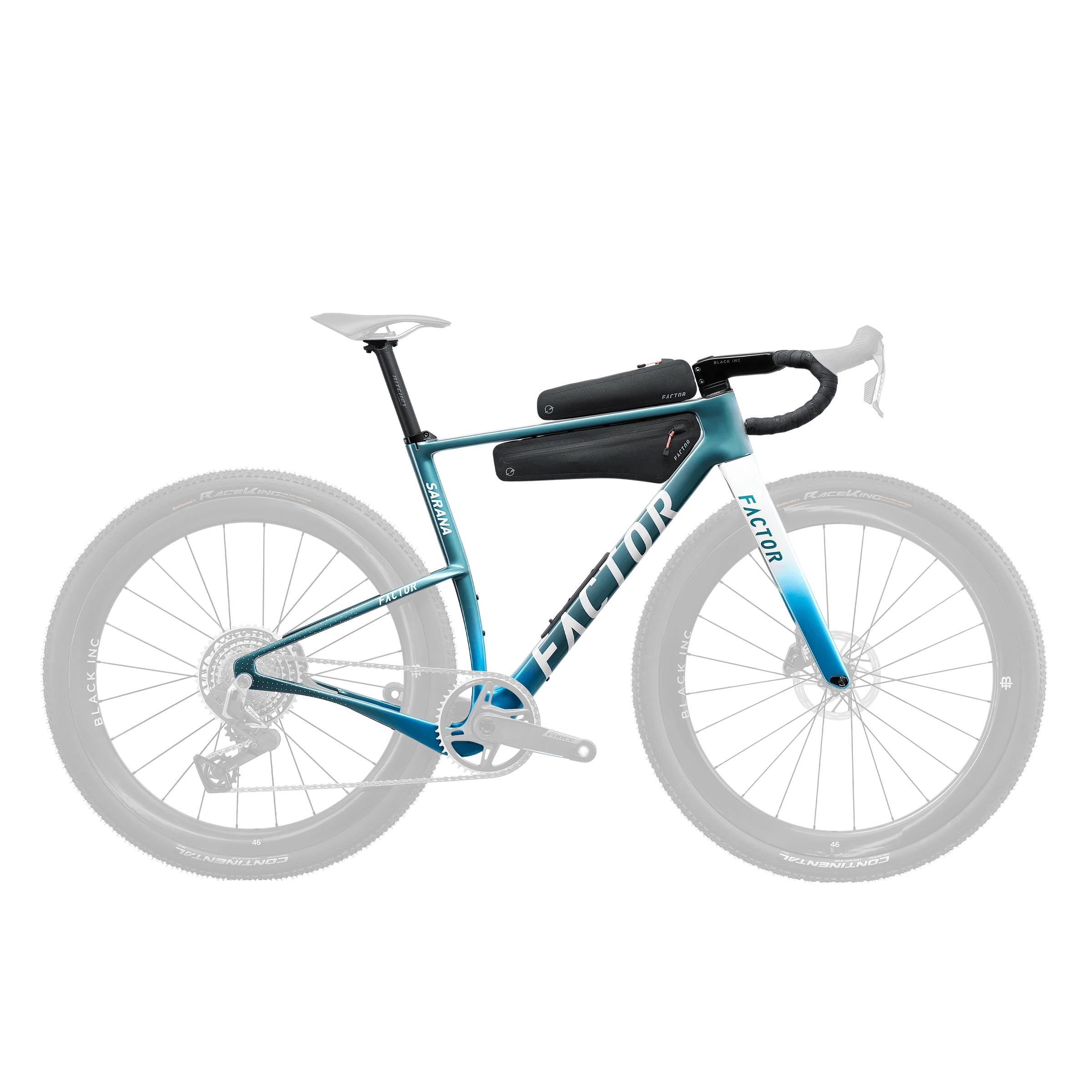
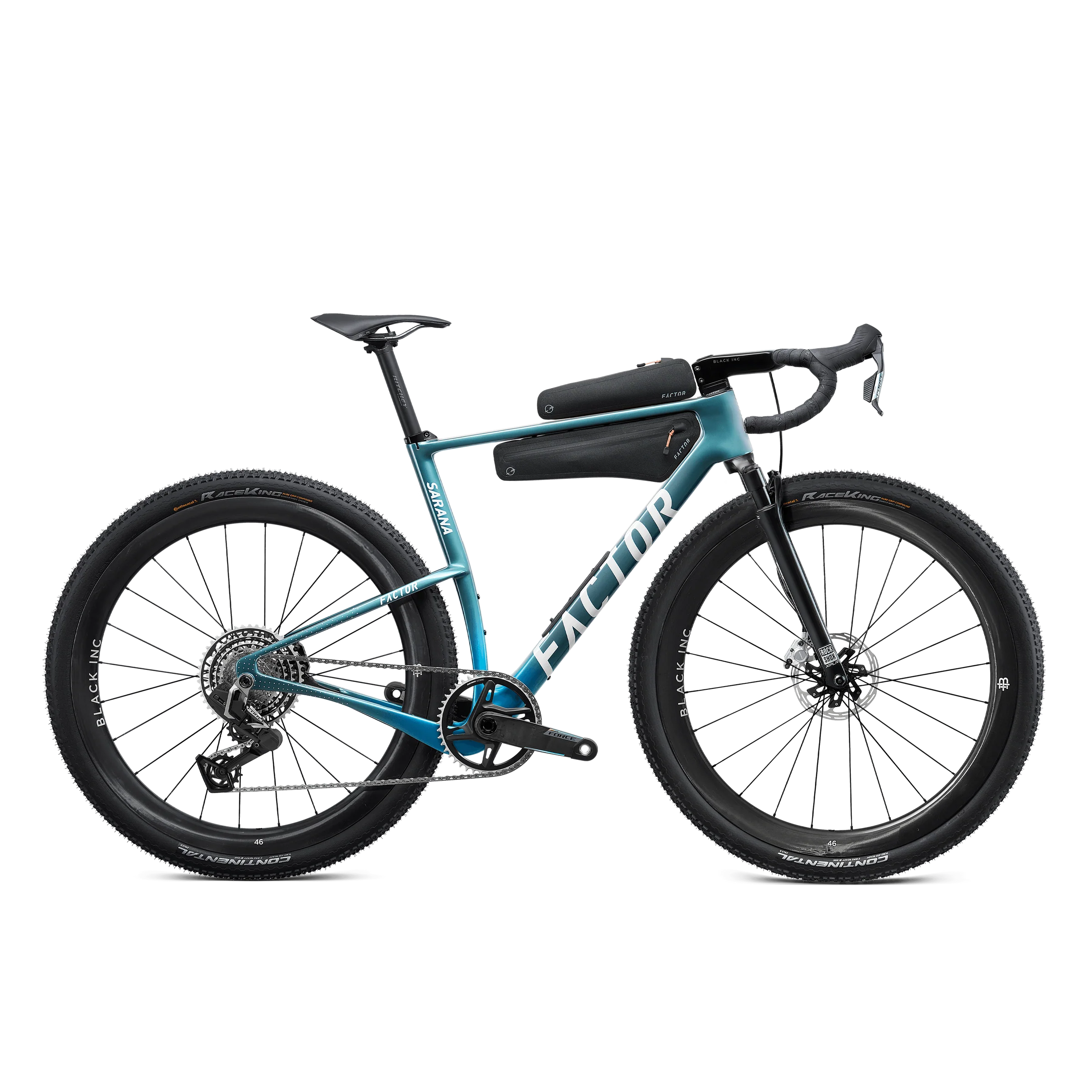
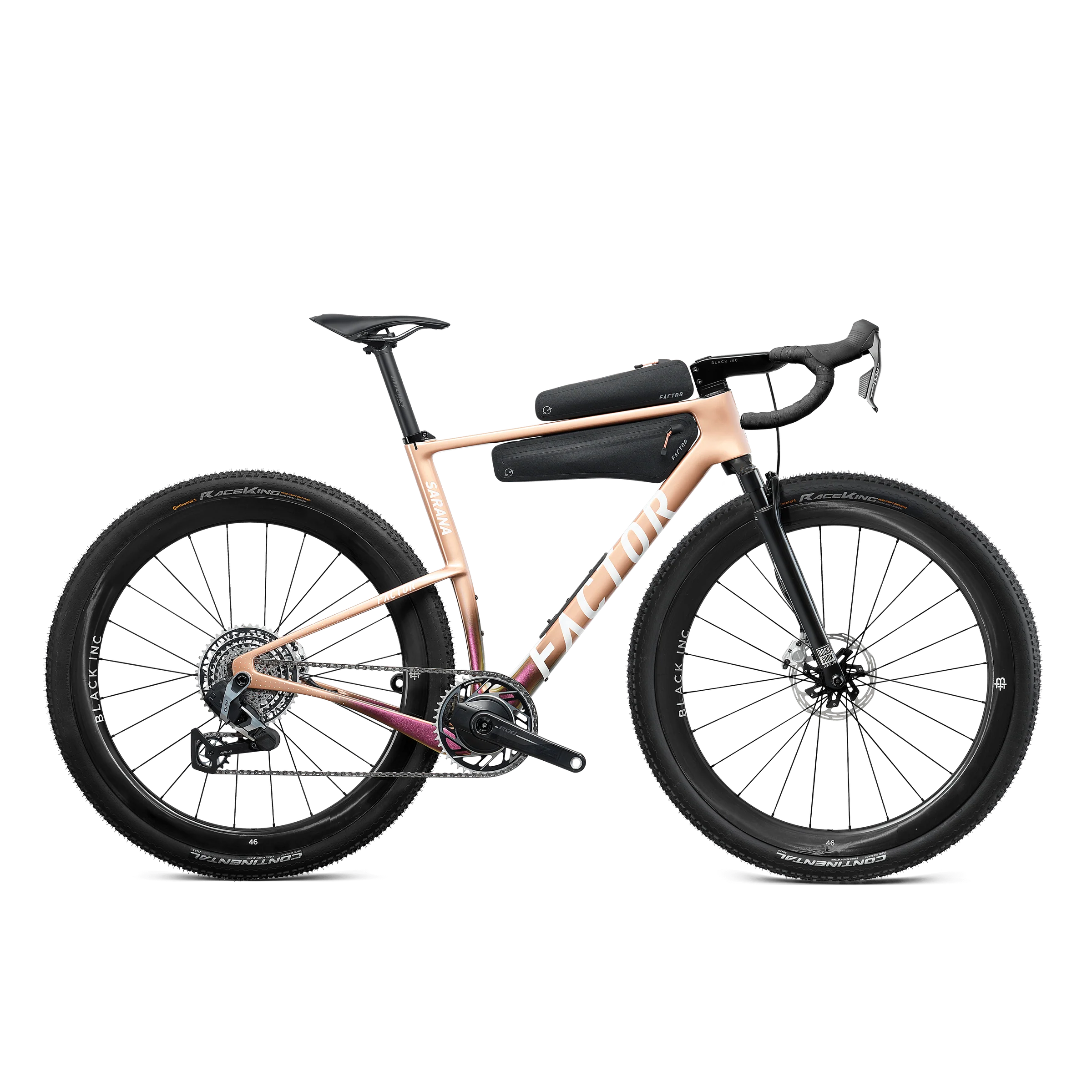
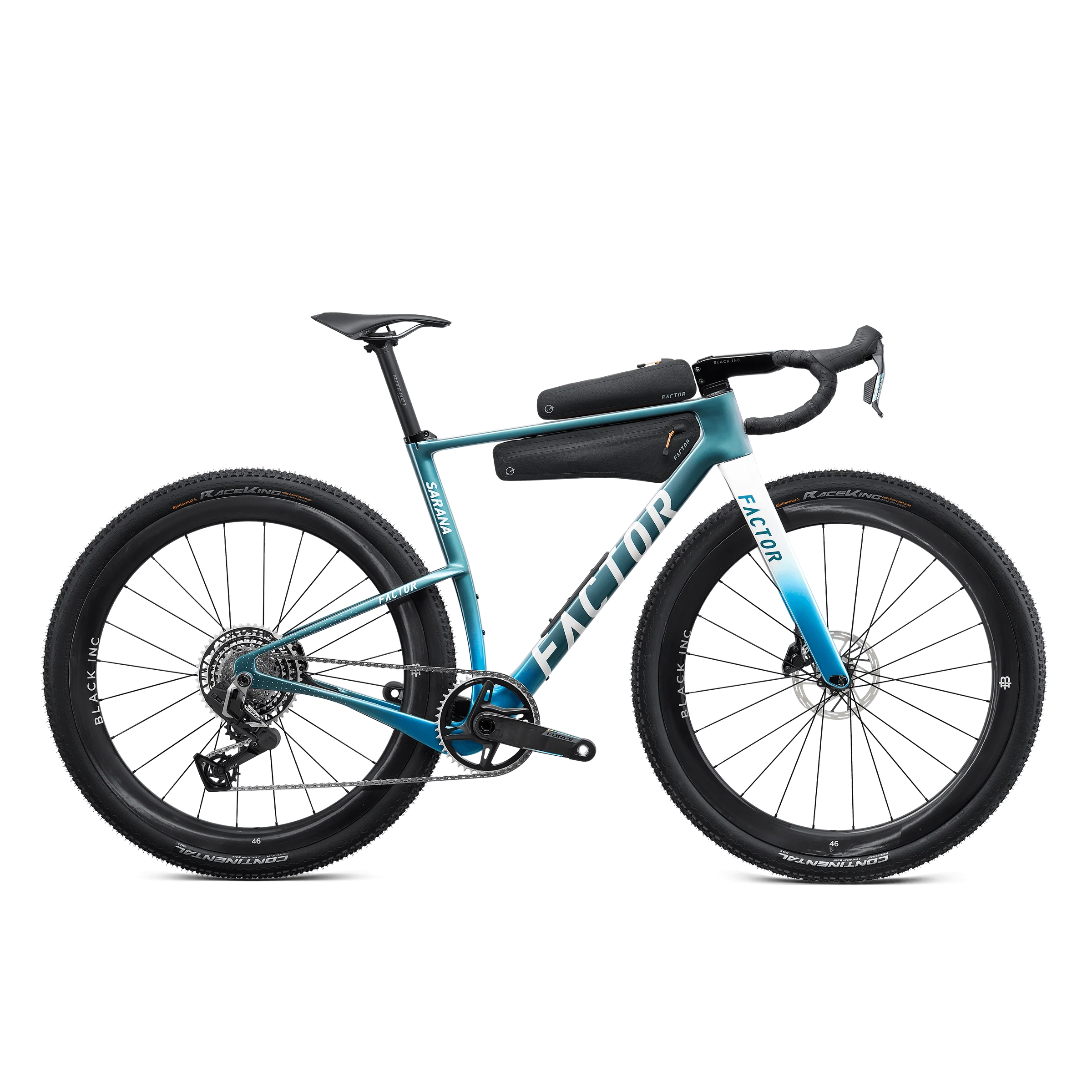
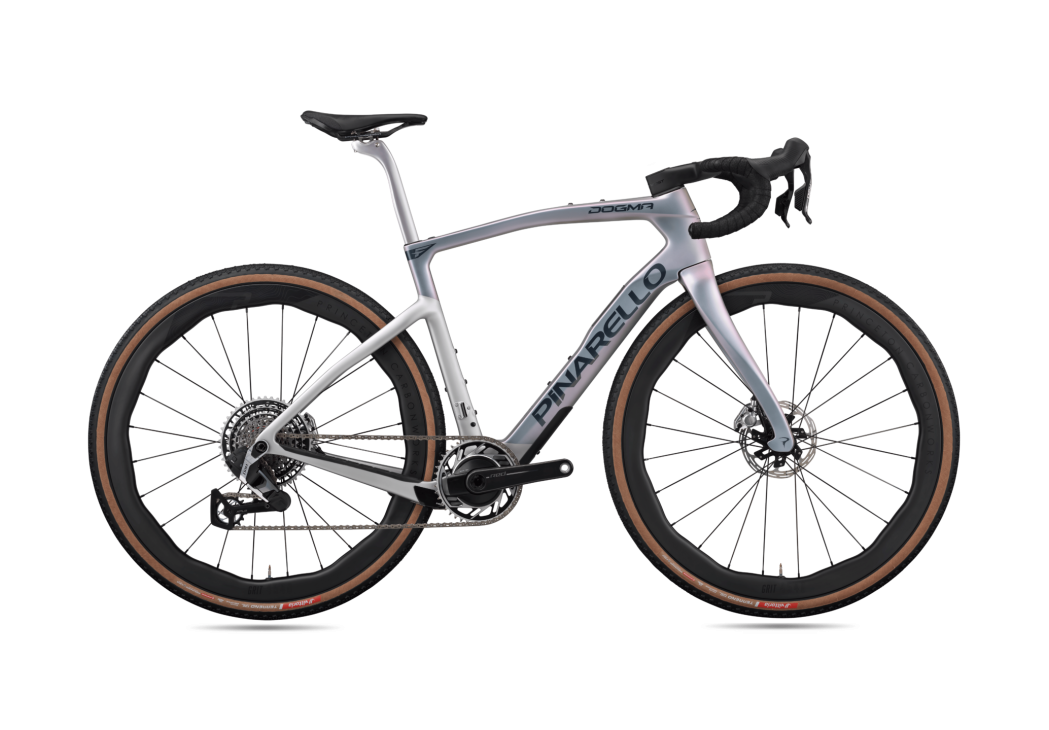
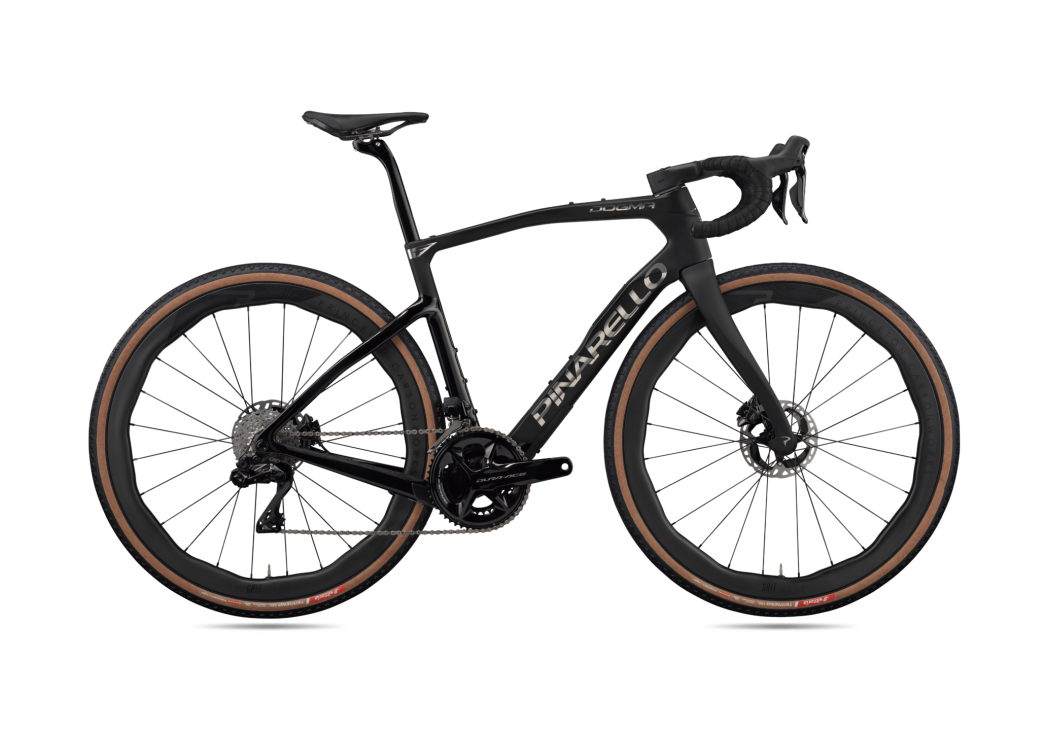
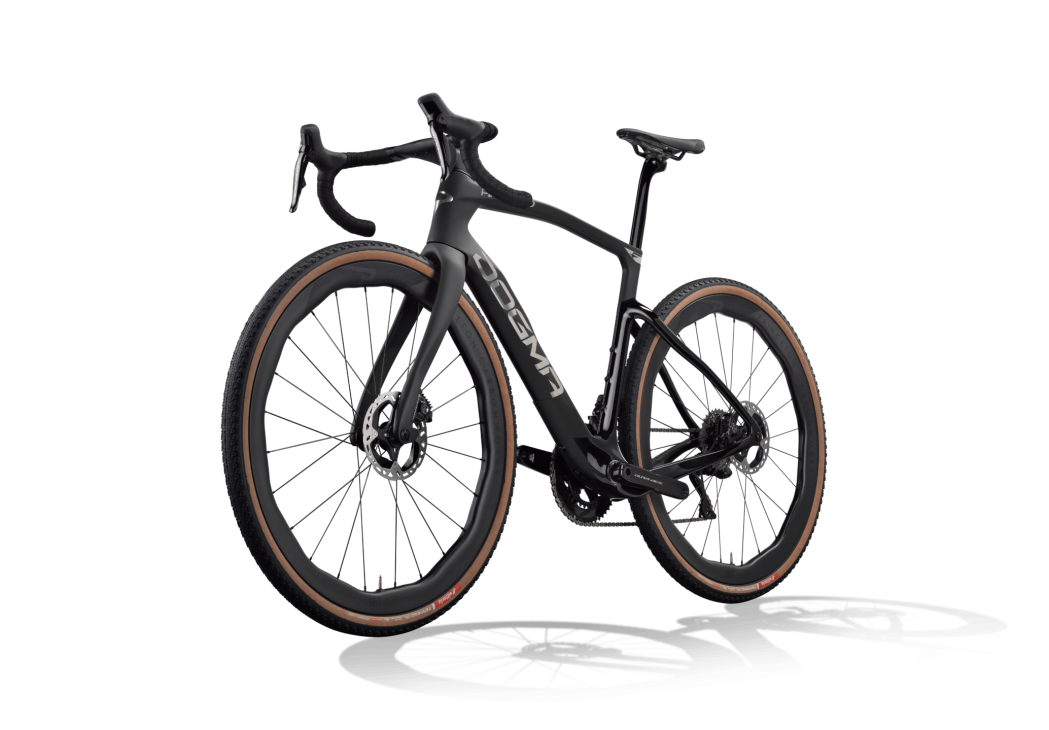
If you've been following gravel news over the last few weeks, you've probably seen one of the most talked-about images of the year: a bicycle equipped with 32-inch wheels crossing the finish line of Unbound XL in first place.
The reaction was immediate. Are we looking at the future of gravel? Have 700c wheels become obsolete? Will all brands have to change their bikes?
As is often the case, the reality is much more interesting than the headlines.

What actually happened at Unbound
Robin Gemperle's victory in the Unbound XL category using a bicycle equipped with 32-inch wheels has been one of the most striking technical developments in gravel in recent years.
But an important nuance should be added.
While 32-inch wheels took the victory in the ultra-distance event, the premier category, the Unbound 200, was won by a bicycle equipped with conventional 700c wheels.
Therefore, rather than talking about an immediate revolution, perhaps we should talk about an interesting technical tie.

What do 32-inch wheels really offer?
The theory behind a larger wheel is relatively simple.
By increasing the wheel's diameter, it encounters a smaller attack angle against obstacles, rocks, ruts, or irregularities in the terrain. In other words: the bicycle tends to move forward more easily over complicated surfaces.
Additionally, a larger wheel can provide:
- Greater stability at high speed.
- More ability to maintain inertia.
- Less impact from certain irregularities.
- More potential efficiency on extremely long rides.
All of this is especially appealing when we talk about events that are measured in hundreds of kilometers and dozens of hours.

But there are also trade-offs
Because no technical solution comes without compromises.
32-inch wheels pose significant challenges:
- They require specific frames.
- They complicate geometry for certain sizes.
- They reduce component availability.
- They require a complete ecosystem that is still under development.
And, above all, there isn't yet enough evidence to state that they are superior in all scenarios.
The real takeaway: gravel is specializing
Perhaps the most interesting data point isn't the wheel size.
Perhaps what's important is what it represents.
For years, gravel tried to find a single bike capable of doing everything. Competing, traveling, exploring, riding fast, and tackling long distances.
But we are seeing more and more signs that the market is evolving in another direction.
Bicycles are starting to respond to much more specific needs.
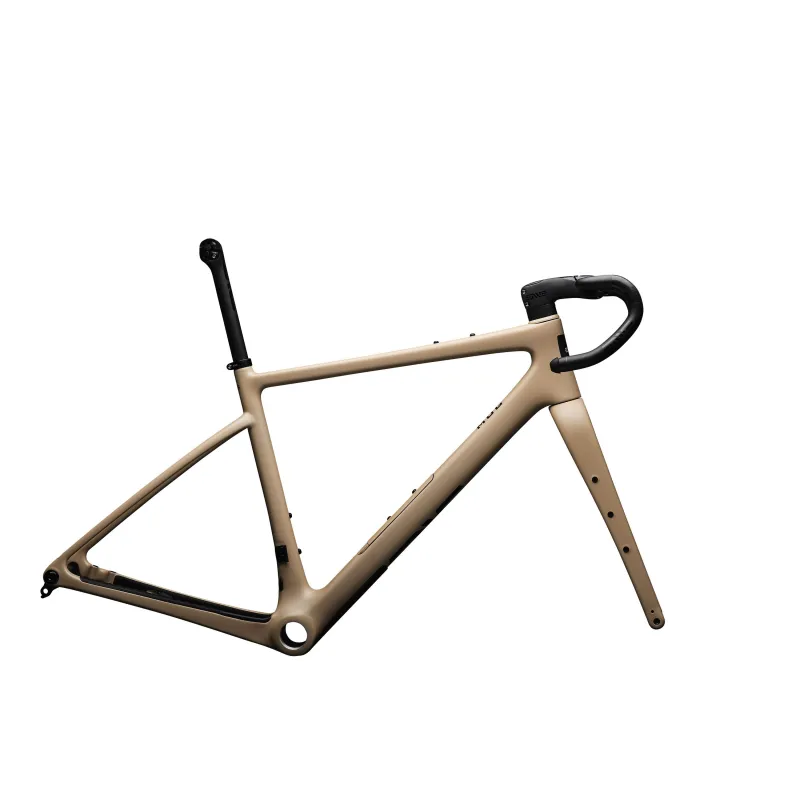
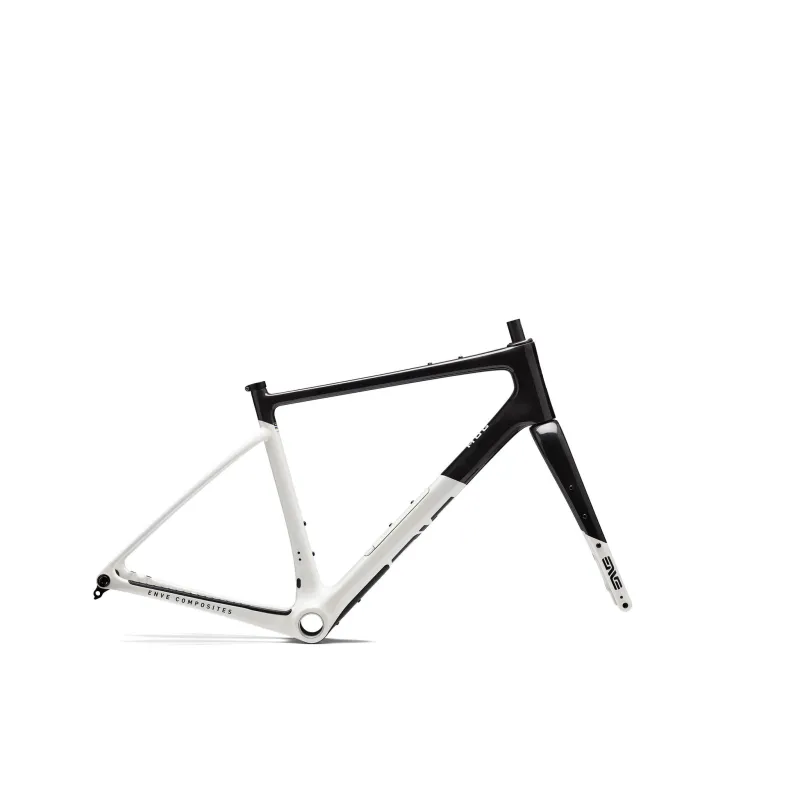
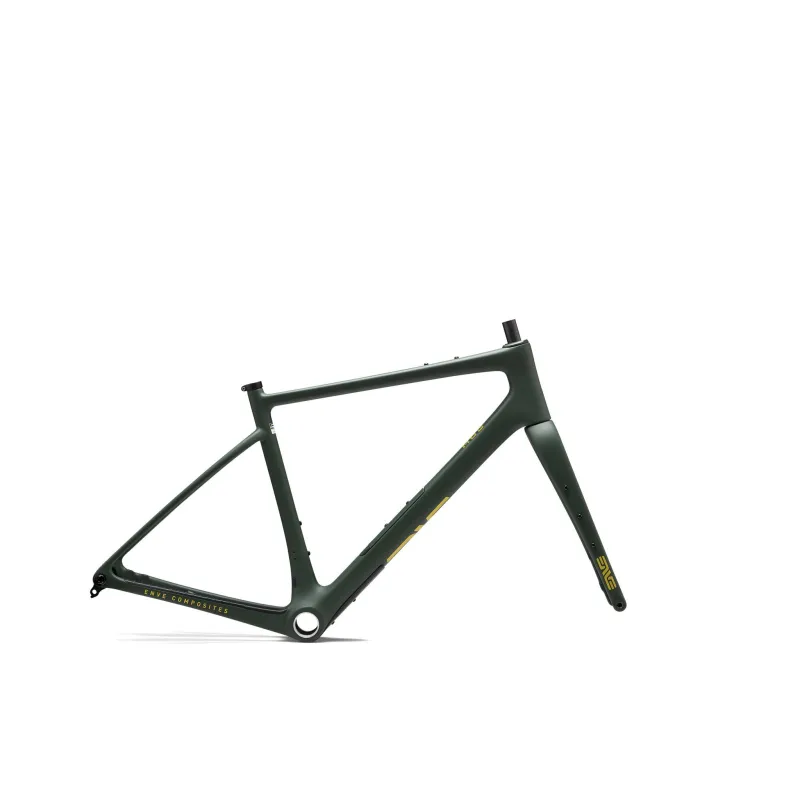
Today we find platforms designed specifically for:
- Gravel racing.
- Ultra distance.
- Adventure and bikepacking.
- Mixed road-gravel use.
32-inch wheels seem to be part of precisely this trend.
It's not that different from what we're already seeing
If we look at the latest market releases, we find the same pattern.
The search is no longer to create a single bike valid for everything, but to optimize each platform for a specific use.
Some prioritize pure speed. Others self-sufficiency. Others the ability to maintain performance for hundreds of kilometers.
32-inch wheels do not contradict this evolution. In fact, they reinforce it.

So, are they the future?
That's probably not the right question.
The question isn't whether 32-inch wheels will replace 700c ones.
The question is whether there's a group of cyclists and a type of competition where they offer real advantages.
And after what happened at Unbound XL, it seems clear that the answer is yes.
What remains to be seen is how far that specialization will go.
What Unbound teaches us
The biggest lesson from this whole debate isn't about a specific measurement.
It has to do with how gravel is evolving.
Every year, new solutions, new categories, and new interpretations of what it means to go fast off-road appear.
And perhaps that's precisely what's most interesting about this sport: it's still writing its own rules.
32-inch wheels may not be the future of all gravel. But they are a very clear sign that the future of gravel will be much more diverse than we imagined.