




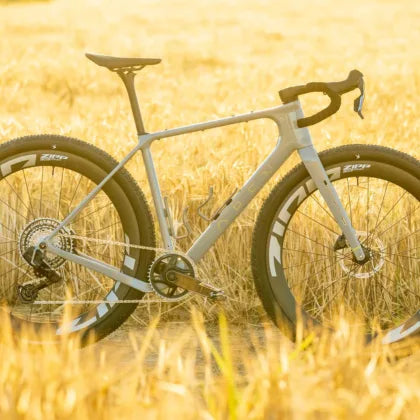



Gravel tire width: what's ideal for your terrain?
One of the most important decisions when assembling or upgrading your gravel bike is choosing the right tire width. There's no universal size: it depends on the type of routes you ride, the terrain, your riding style, and the level of comfort you seek.
At Dog Days, we test gravel routes every week and advise cyclists looking for everything from efficiency on fast tracks to traction on loose trails. Here's a practical guide to help you find the tires you need.
Most Common Options
38 mm: Speed and Efficiency
- Pros: good speed on fast tracks, reduced weight, good response on climbs
- Ideal for: "light" gravel, mixed routes with a lot of asphalt, cyclists transitioning from road cycling
- Cons: less grip on loose or very rough terrain
42 mm: Total Balance
- Pros: absorption, traction, and versatility without sacrificing too much efficiency
- Ideal for: varied routes, multi-day adventures, "real" gravel
- Cons: slightly more weight and rolling resistance
45 mm or more: Maximum Comfort and Control
- Pros: excellent grip, ideal for rough roads, descents, or loaded bikepacking
- Ideal for: technical terrain, long trips, loaded routes
- Cons: more weight, less reactivity, and requires a frame with ample tire clearance
Pressure Based on Width and Terrain
A wider tire allows you to ride with lower pressure, which improves traction, comfort, and control:
- 38 mm: 2.8 - 3.5 bar (depending on weight and terrain)
- 42 mm: 2.2 - 3.0 bar
- 45 mm or more: 1.8 - 2.5 bar
For gravel, it's common to use tubeless to avoid punctures and allow for lower pressures with greater safety.
Compatibility: Frame, Rim, and Tire Clearance
Before mounting wide tires, make sure:
- Your frame has space for the chosen width (check manufacturer's specifications)
- The rims have the appropriate internal width (at least 21 mm for 45 mm tires)
- There is no risk of rubbing in mud, narrow areas, or with fenders
Dog Days Recommendation
If you ride mixed routes with asphalt sections and compact tracks: 38 mm.
If your gravel riding is varied, you ride through forest trails, paths, and some rocky areas: 42 mm.
If you take trips, loaded routes, or seek maximum safety and traction: 45 mm or more.
At Dog Days, we help you choose the best option based on your bike, wheels, and usual terrain. You can write to us or stop by the store: we'll review with you the ideal pressure, tire type, and perfect setup so you can enjoy every ride even more.
Riding comfortably and safely starts with the right tires.
Looking for tires for your gravel bike? We'll help you choose the ideal size: write to us via WhatsApp or discover our gravel bikes.