




Gravel Pedals: A Practical Guide to Choosing Between Shimano SPD and Crankbrothers
If you ride gravel and are unsure about which pedals to choose, this guide is for you. Here, you’ll find real differences, how to choose based on your use, how to adjust cleats without knee pain, and what maintenance to perform to keep everything running smoothly. We’ll focus on the two most common systems we work with in-store: Shimano SPD and Crankbrothers (Eggbeater/Candy/Mallet).
1) What changes in gravel riding (and why the pedal matters)
- Walking: In gravel, you dismount more often; small cleats and treaded soles help.
- Mud and dust: The pedal must engage/disengage even when dirty.
- Control on technical terrain: You need to unclip and re-clip quickly and securely.
2) Systems we recommend
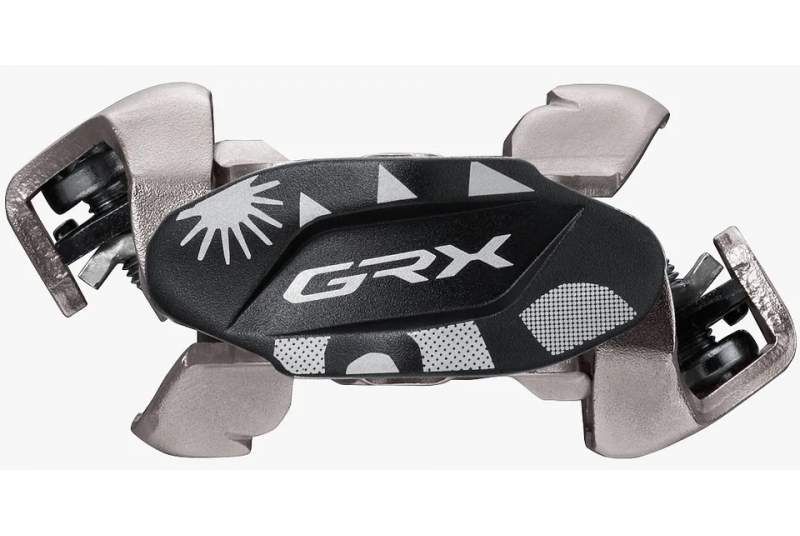
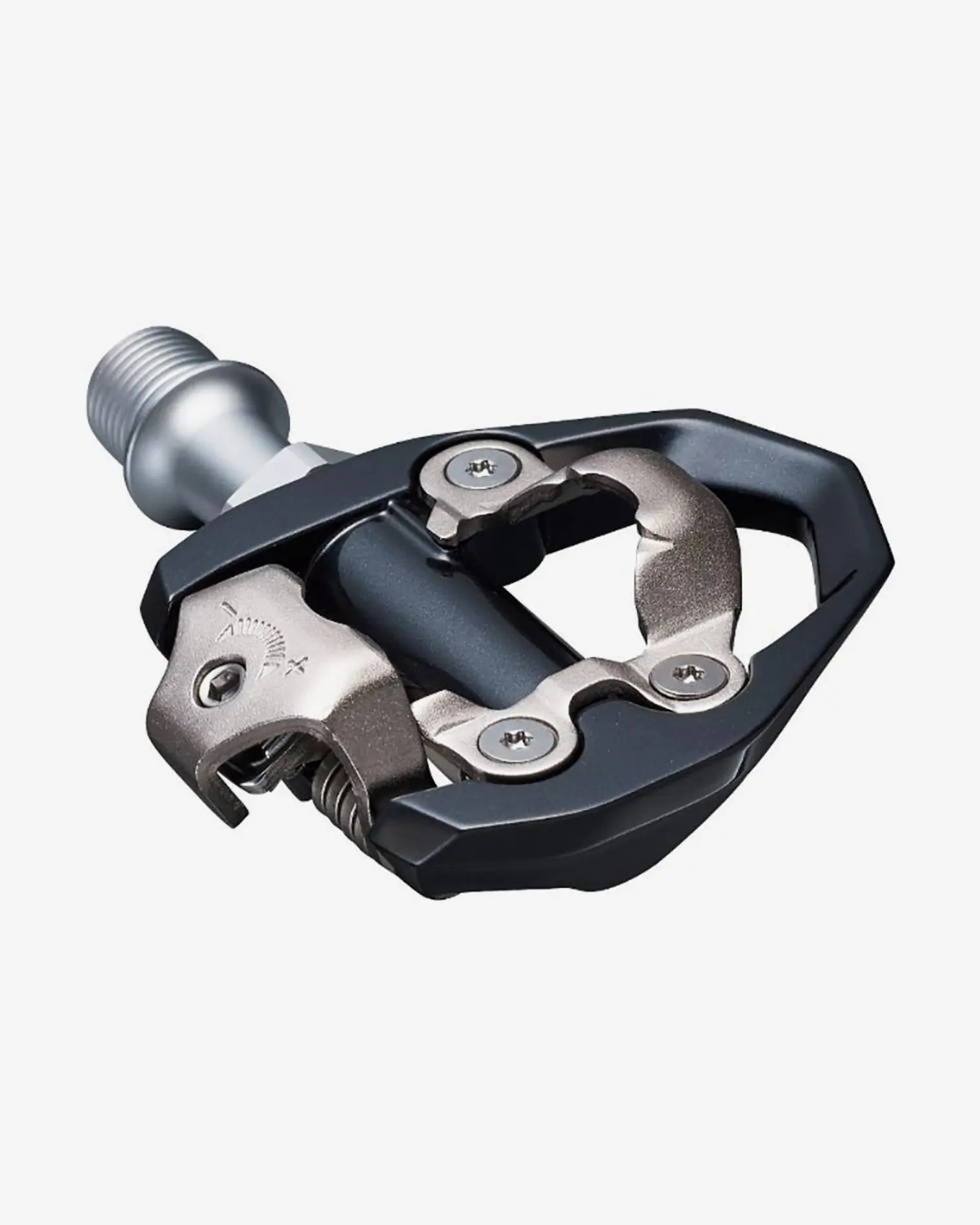
Shimano SPD
The standard in MTB/gravel for its overall balance. Tension adjustment, compact cleats (two bolts), and spare parts available everywhere.
- Best features: Global reliability, retention adjustment screw, long-lasting cleats, easy to find spare parts.
- Things to consider: Sheds extreme mud somewhat less effectively than Crankbrothers; slightly higher weight in entry-level models.
- Typical profiles: XC (small and light body) and Trail (body with a "cage" for more support when pedaling and walking).
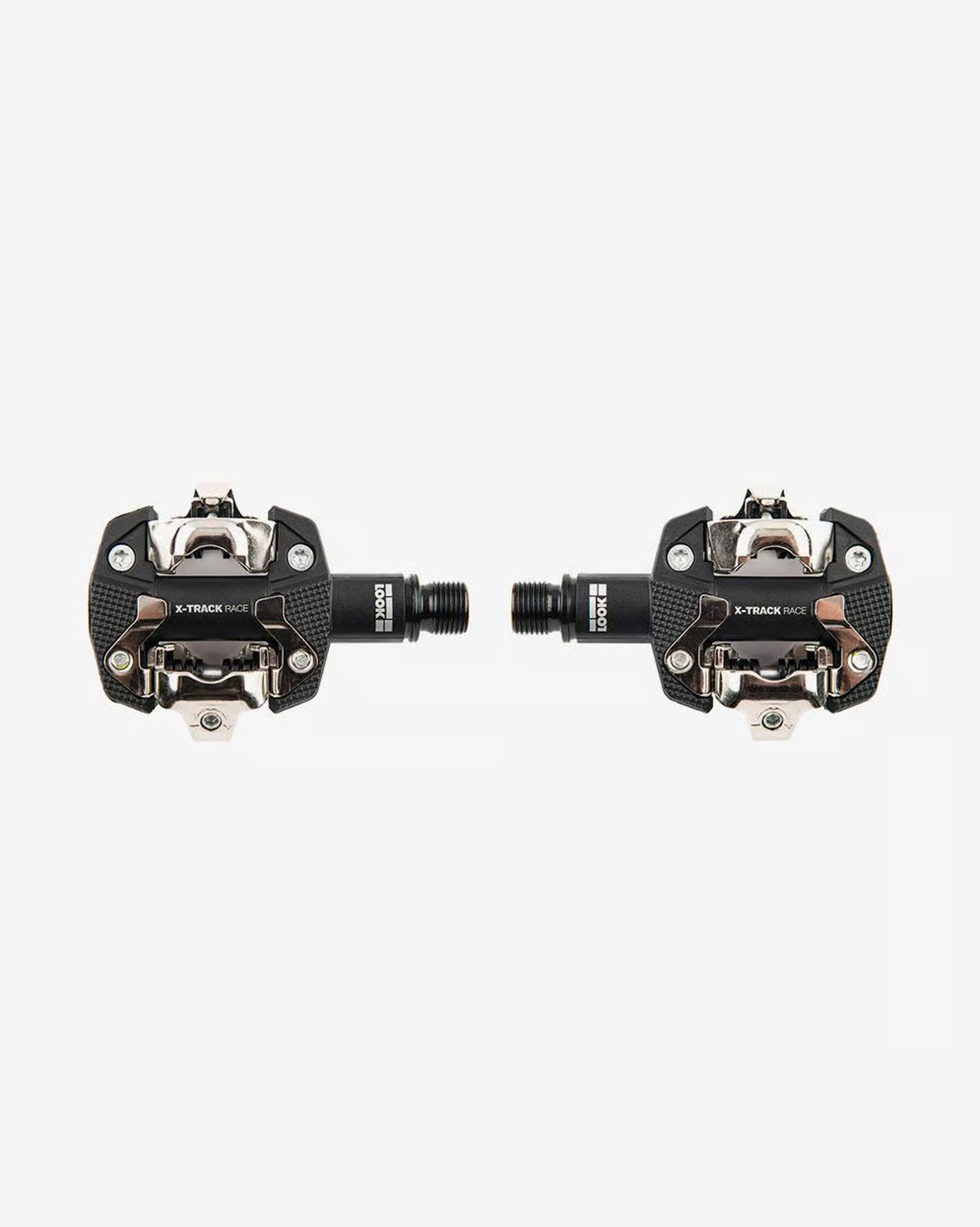
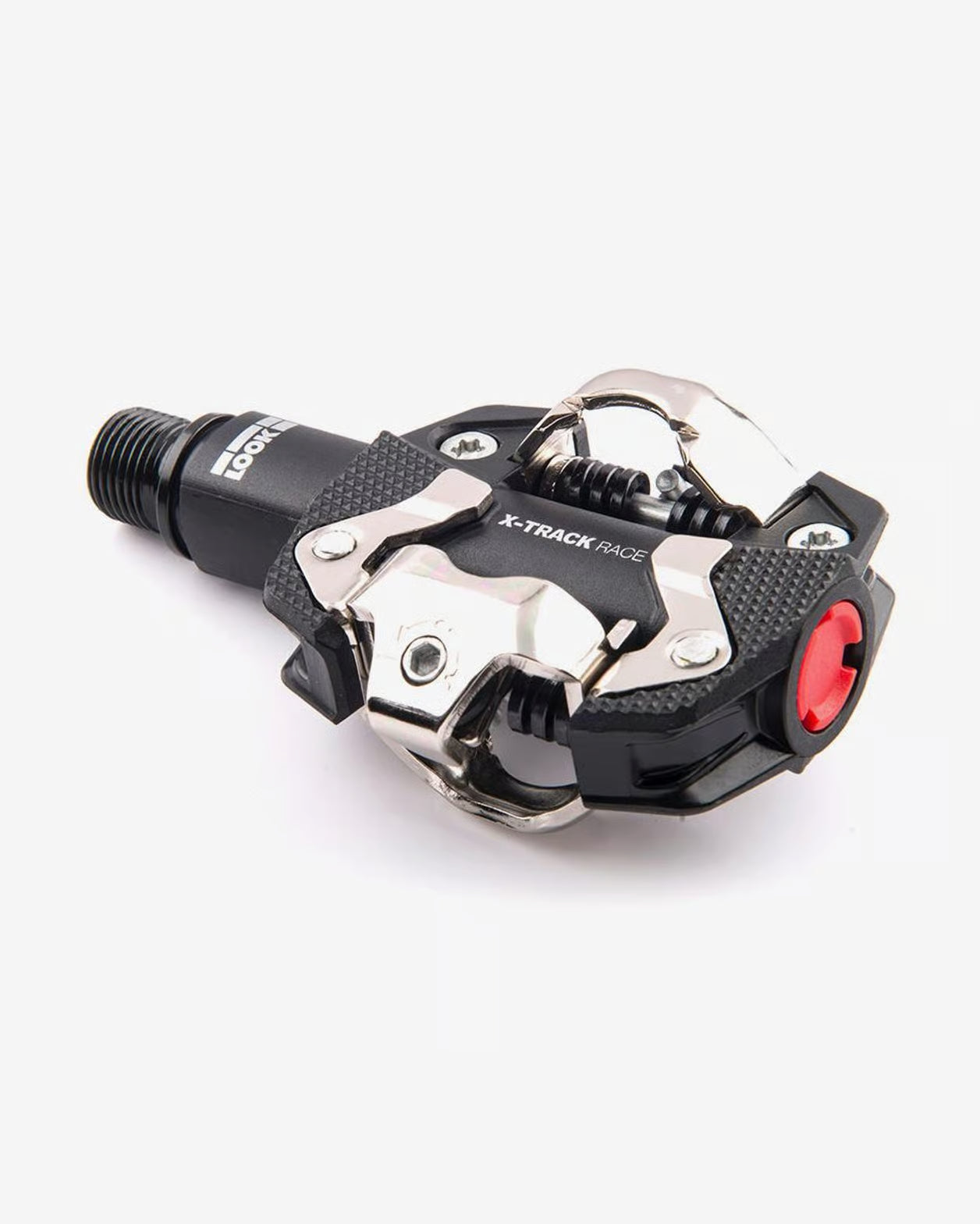
Crankbrothers (Eggbeater/Candy/Mallet)
Stands out for its four-sided entry and excellent mud shedding. Very direct feel and a variety of bodies depending on the support you're looking for.
- Best features: Easy to engage from any angle, works very well with mud, natural float sensation, very lightweight options.
- Things to consider: No tension screw; retention is determined by the cleat and its orientation. Requires bearing service depending on use and conditions.
- Typical profiles: Eggbeater (minimal weight), Candy (versatile mid-size body), Mallet E (more platform for aggressive support/riding).
3) Practical Comparison
| Aspect | Shimano SPD | Crankbrothers |
|---|---|---|
| Ease of Engagement | Good (2 sides) | Very High (4 sides) |
| Mud Shedding | Good | Excellent |
| Retention Adjustment | By screw (tension) | By cleat type/orientation |
| Cleat Durability | High | Medium (depends on use/walking) |
| Spare Parts and Availability | Very High | High |
| Learning Curve | Very Easy | Easy; cleat choice/placement is important |
4) Choose based on your use
- Versatile gravel / long rides / bikepacking: Shimano SPD (XC or Trail). Reliable, comfortable for walking, adjustable tension.
- Frequent muddy gravel / racing / technical terrain: Crankbrothers (Candy for support, Eggbeater for lightness). Ultra-fast engagement and anti-mud properties.
- First clipless pedals: Shimano SPD with low tension; or Crankbrothers with easier-release cleats.
5) Shoes and cleats: compatibility
- Your shoes must be two-bolt (SPD standard) for both systems.
- For Crankbrothers, make sure to install the washers/spacers that come with the cleat if your sole requires them.
6) Cleat adjustment without knee issues
Objective: for your foot to rest naturally, without straining your ankle or knee.
- Longitudinal position: Start with the pedal axle under the area between the head of the first and fifth metatarsals (slightly behind the "ball of the foot"). If you ride technical/aggressive terrain, move it back 2–4 mm for more control.
- Rotation: Let your foot rest at its natural angle. If you tend to splay your toes ("duck-footed"), rotate the cleat to allow for that position. Avoid forcing your toe straight if your foot isn't naturally straight.
- Q-factor: If your knees rub against the cranks or feel "boxed in," use axle washers or cleat spacers to slightly move your foot away from the frame.
- Tightening: Screw in the cleats gently with a torque wrench and recheck after a few rides; the initial settling usually loosens them a bit.
7) First rides: how to build confidence
- For Shimano, lower the spring tension to the minimum to learn; increase it gradually.
- Practice a couple of pedal strokes from home: engaging/disengaging while stopped and at very low speed.
- On technical terrain, anticipate: unclip one foot if you're unsure, then re-clip after clearing the obstacle.
8) Simple maintenance that prevents problems
- After mud/dust: Rinse, dry, and apply a drop of lubricant to moving parts (avoid contaminating pads/rotors).
- Check cleats: If they are very worn or have rounded edges, replace them: this will improve engagement and prevent accidental unclipping.
- Bearings: If the pedal "wobbles" or makes noise, it's time for service. For Crankbrothers, there is a bearing/axle kit; for Shimano, classic cone/ball service or body replacement depending on the model.
9) Quick Summary
- I want something that always works: Shimano SPD.
- I ride in mud or want ultra-easy engagement: Crankbrothers.
- I walk a lot: Gravel shoes with aggressive tread + recessed cleats; pedals with some platform (SPD Trail or Candy).
Questions? We'll install and adjust it for you.
At Dog Days, we work with both systems daily. We'll help you choose pedals, position cleats at your natural angle, and get you ready to enjoy your ride. Contact us or visit the store.
Setting up your bike? Check out our pedals and gravel bikes.