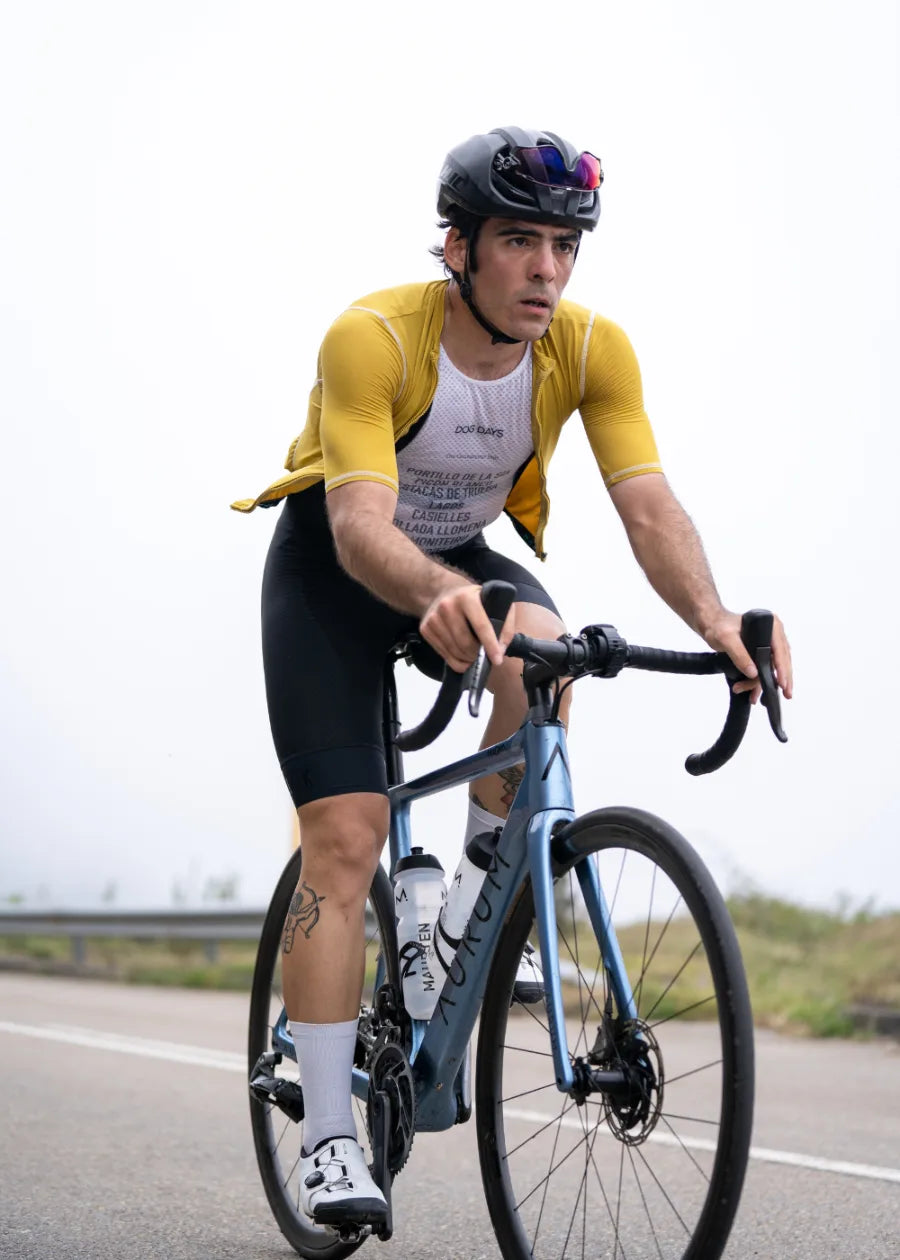

What really makes a cyclist fast? The answer goes far beyond the bike
It's a very common scene.
A cyclist tries a new bike, sees a pro win a race, or discovers the latest carbon wheels on the market and thinks:
"If I had that gear, I'd go much faster."
The reality is that a good bike helps. A lot. But probably quite a bit less than most imagine.
Speed on a bike doesn't depend on a single element, but on the sum of many small factors. Some require investment. Others simply require knowledge.
And the most interesting thing is that the biggest benefits don't always come from changing bikes.

1. Aerodynamics is, by far, the most important factor
When we ride above about 25-30 km/h, the main enemy stops being the weight of the bike and becomes the air.
Different aerodynamic studies agree that, at typical road speeds, between 80% and 90% of the power a cyclist develops is simply used to overcome air resistance.
And here's a fact that often surprises people.
The cyclist's body generates approximately between 70% and 80% of all the aerodynamic drag of the bike-cyclist combination.
The bike represents only the rest.
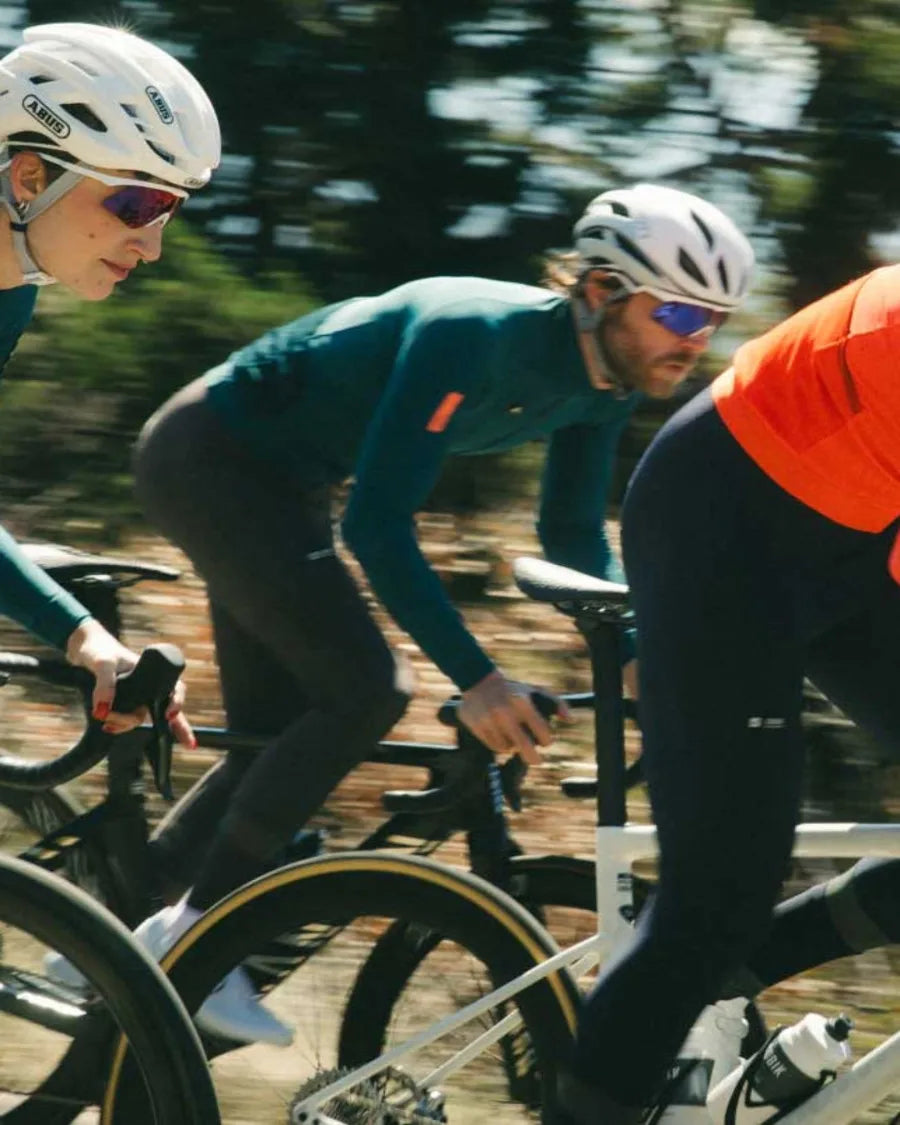
That is: before thinking about changing the frame, there is usually a lot of room to gain speed by working on the cyclist themselves.

2. Your position is worth more than many material upgrades
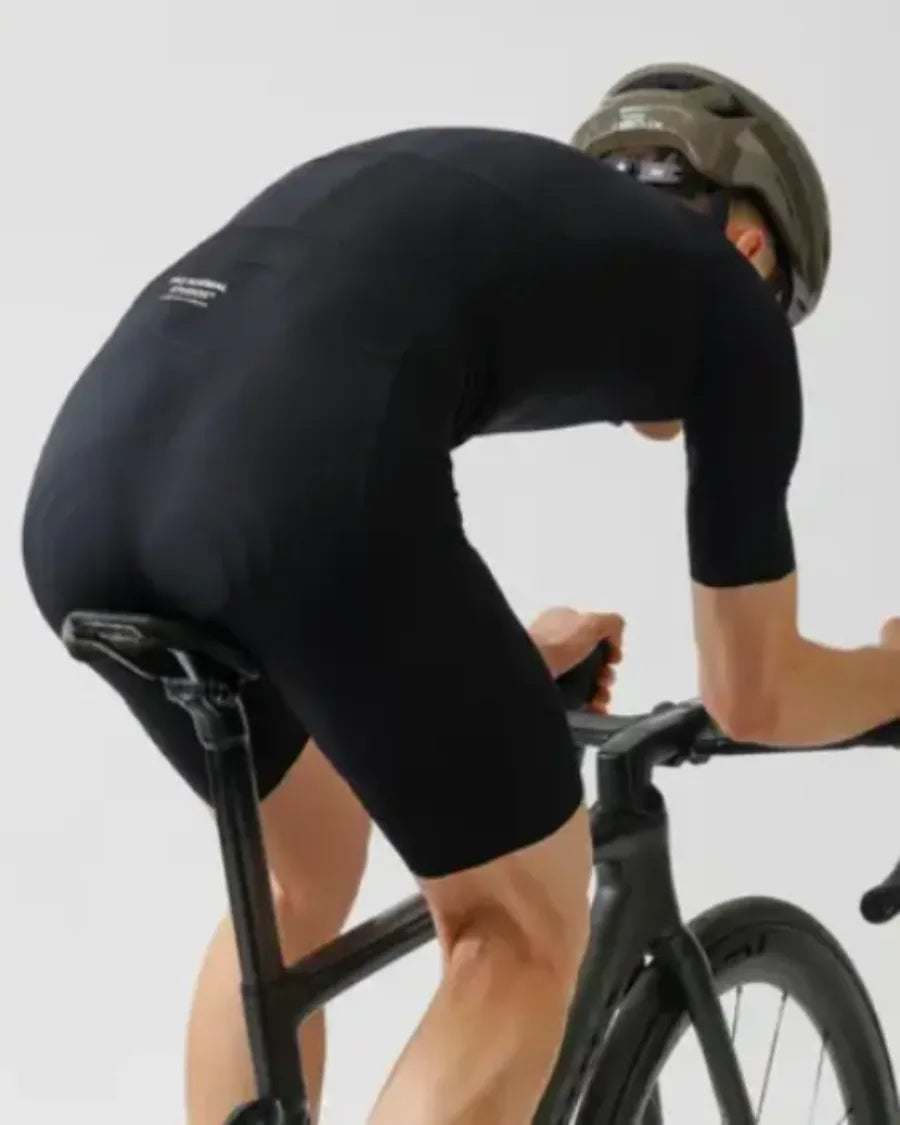
The best bike in the world loses much of its advantage if the rider is completely upright.
An efficient position achieves several goals at the same time:
- Reduce frontal area.
- Improve aerodynamic penetration.
- Maintain consistent power production.
- Reduce fatigue on long rides.
That's why bike fitting isn't just about being comfortable.
It's about finding the fastest position you can maintain for hours.
Because an extremely aggressive posture only works if you can sustain it.

3. Training is still the biggest driver of speed
It may seem obvious, but it's worth remembering.
A cyclist capable of sustaining 300 watts for an hour will still be faster than another capable of sustaining 220 watts, regardless of whether the latter rides a much more exclusive bike.
Modern bikes improve efficiency.
Legs are still the real engine.

4. Tires and correct pressure can make more difference than you imagine
For years we thought that over-inflating tires made the bike faster.
Today we know that's not always the case.
Rolling resistance depends on many factors:
- The tire model.
- The casing.
- The width.
- The pressure used.
- The type of asphalt.
A well-chosen and correctly inflated modern tire can consistently save several watts throughout an entire ride.
Furthermore, adequate pressure improves grip, comfort, and bike control.

5. Wheels do change a bike
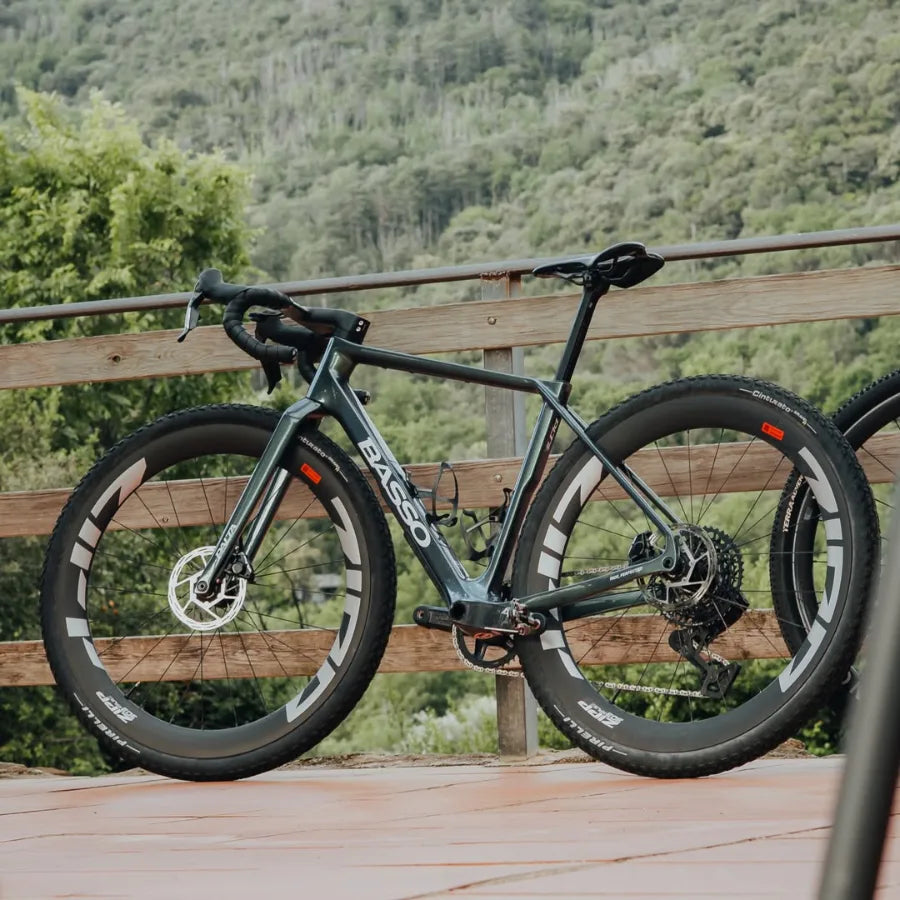
If we talk only about material, wheels are probably the component that most transforms a bike's behavior.
Not just because of the weight.
Also because of:
- Aerodynamics.
- Stiffness.
- Response during accelerations.
- Stability at high speed.
It's no coincidence that almost all manufacturers dedicate a large part of their development to this component.
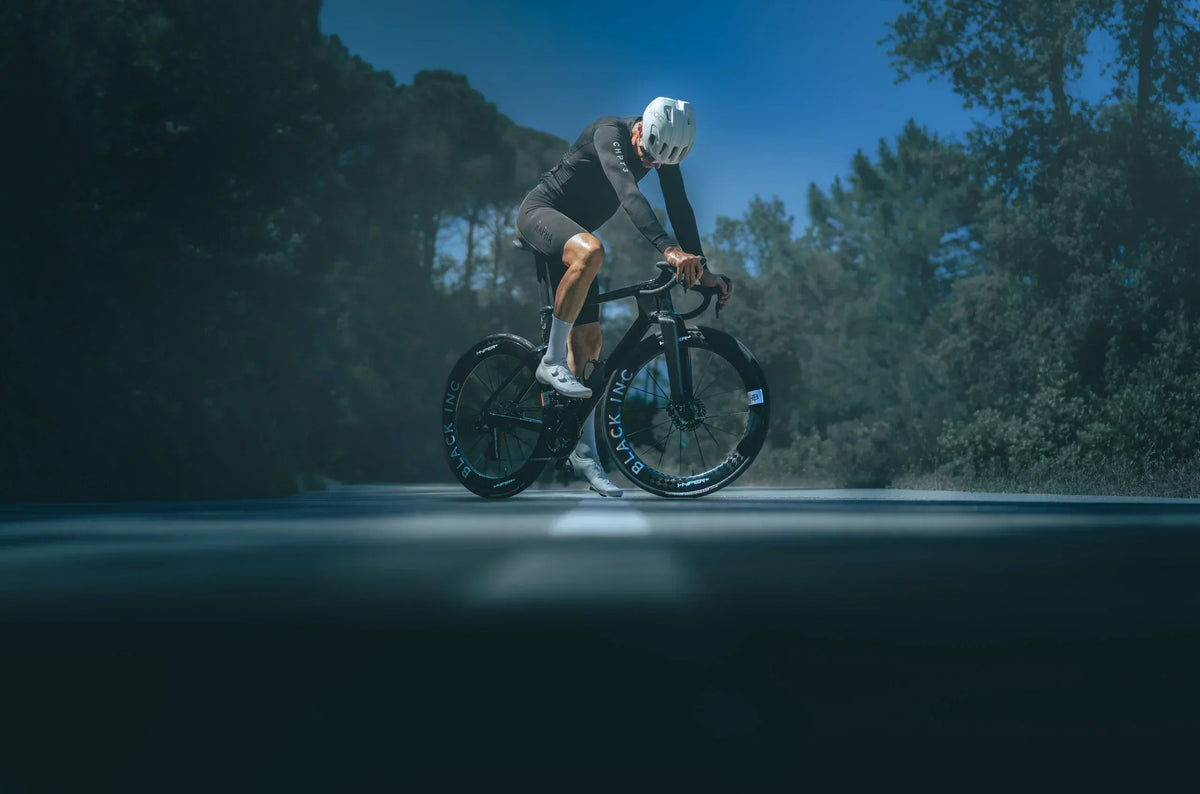
In recent years, we have seen enormous evolution in models such as the Black Inc HYPER or the ENVE SES, designed to offer a combination that was very difficult to achieve just a few years ago: maximum aerodynamic efficiency without penalizing real-world performance on the road.

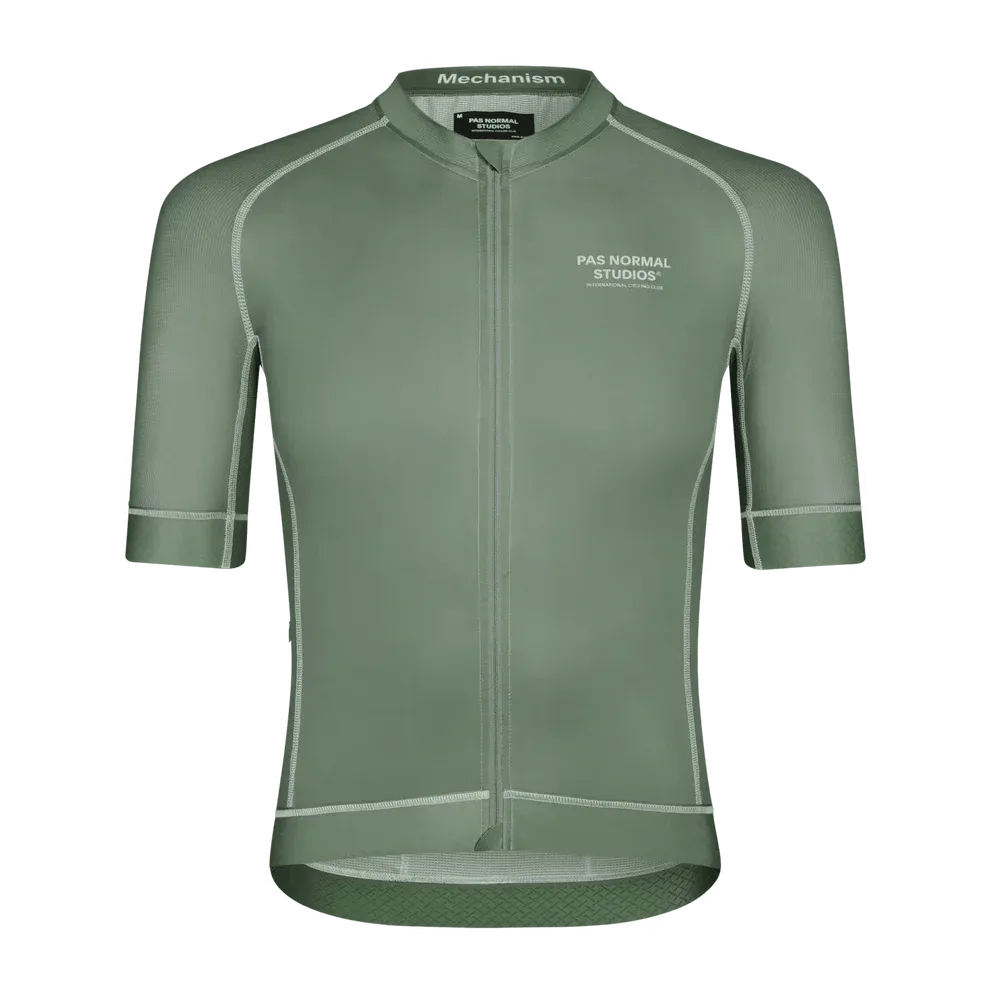
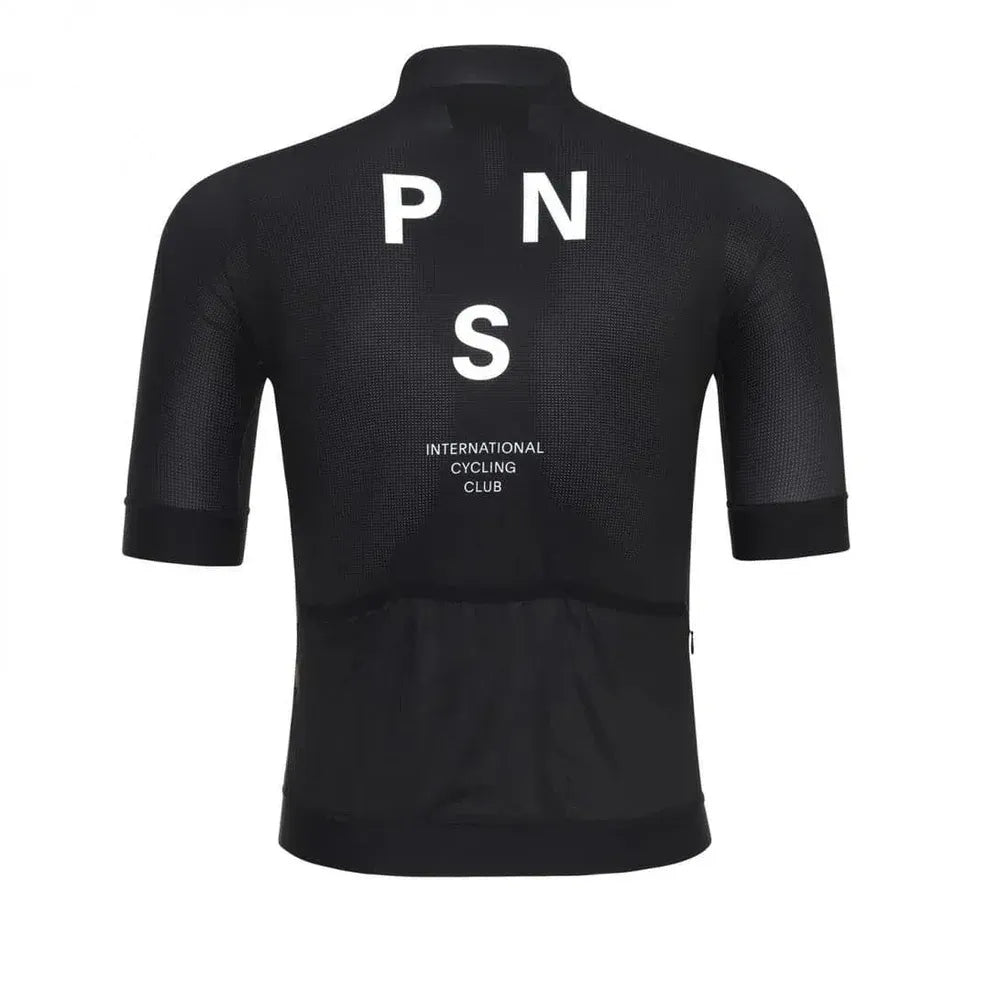
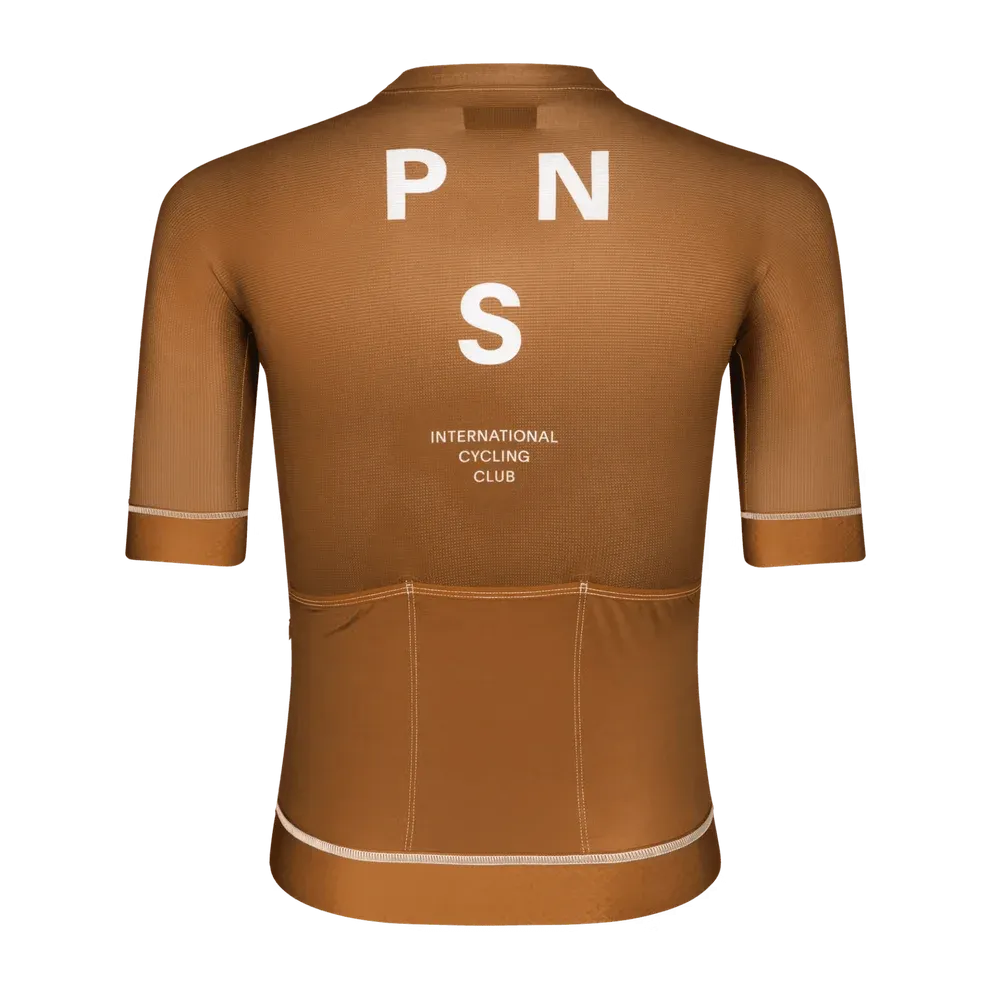
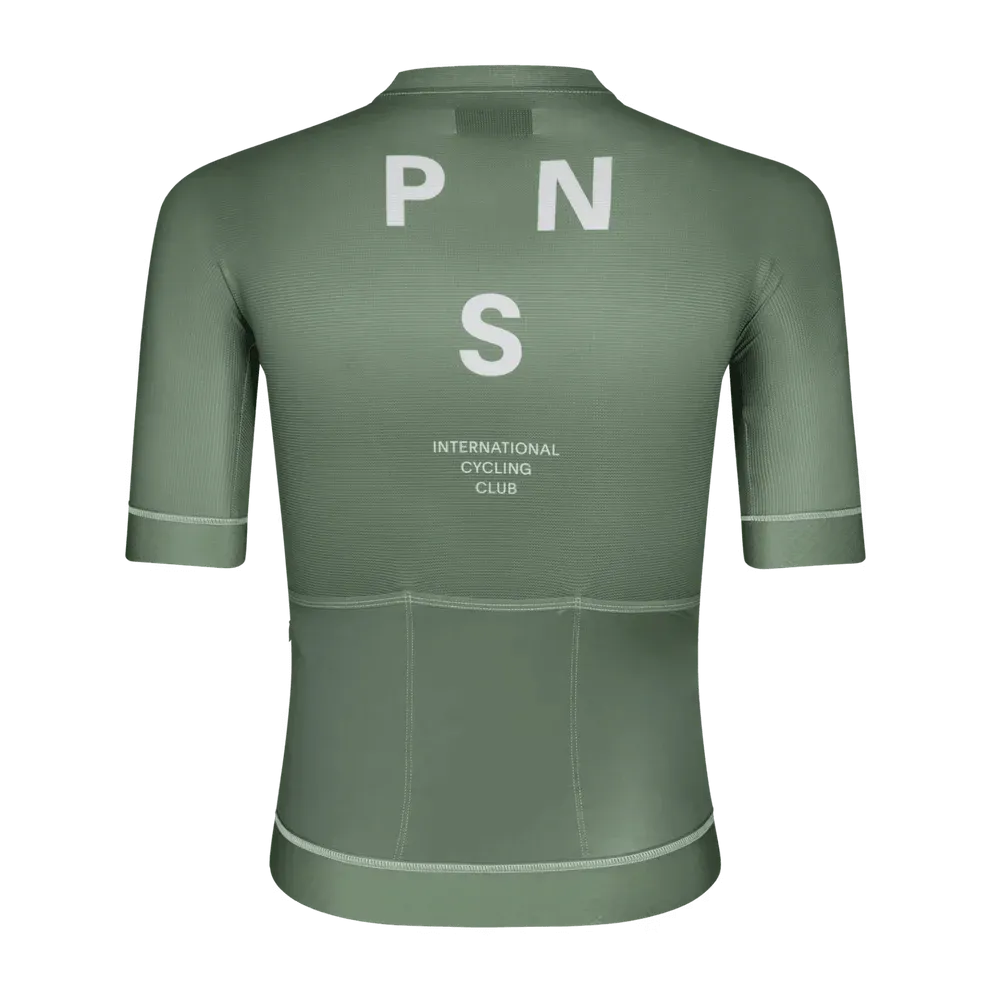
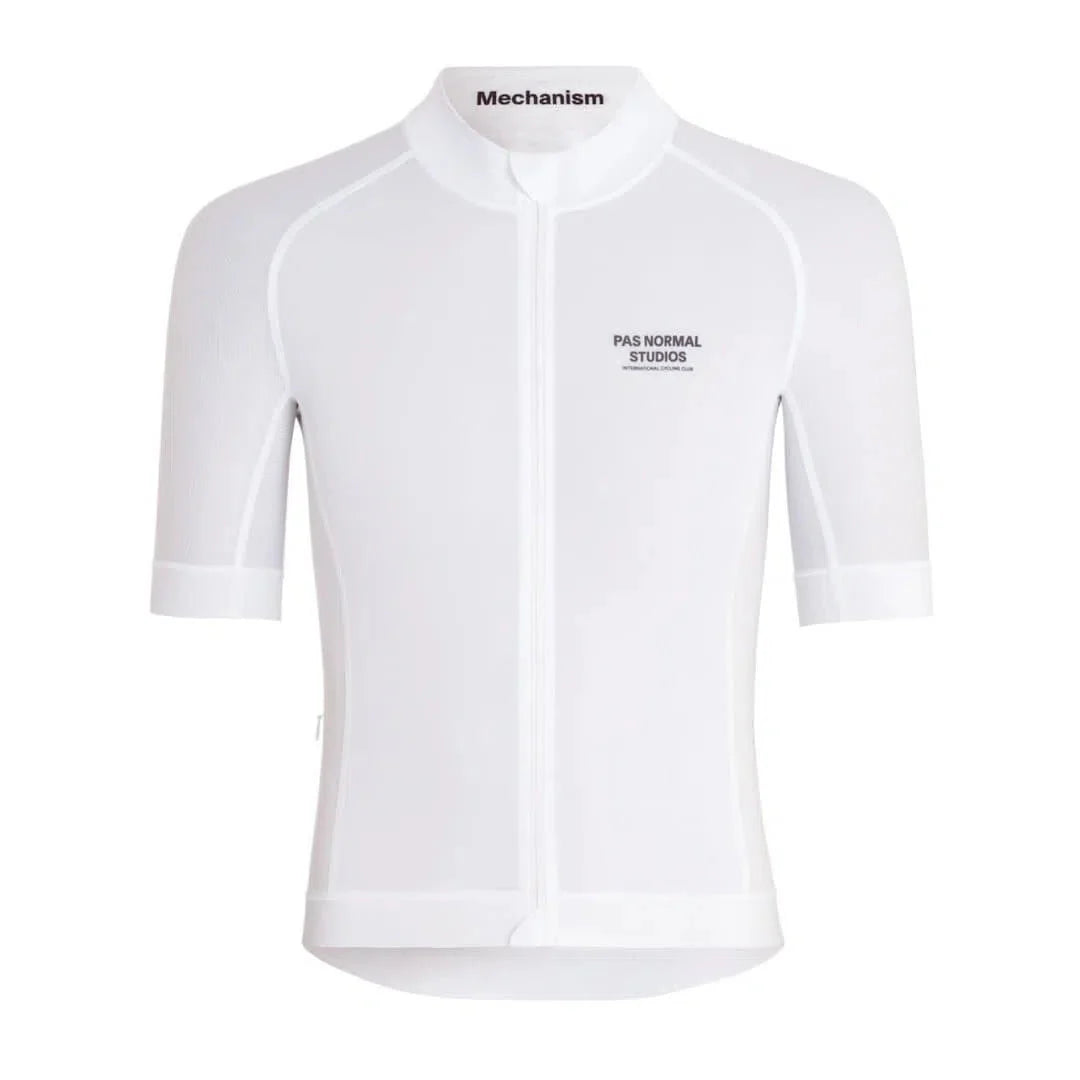
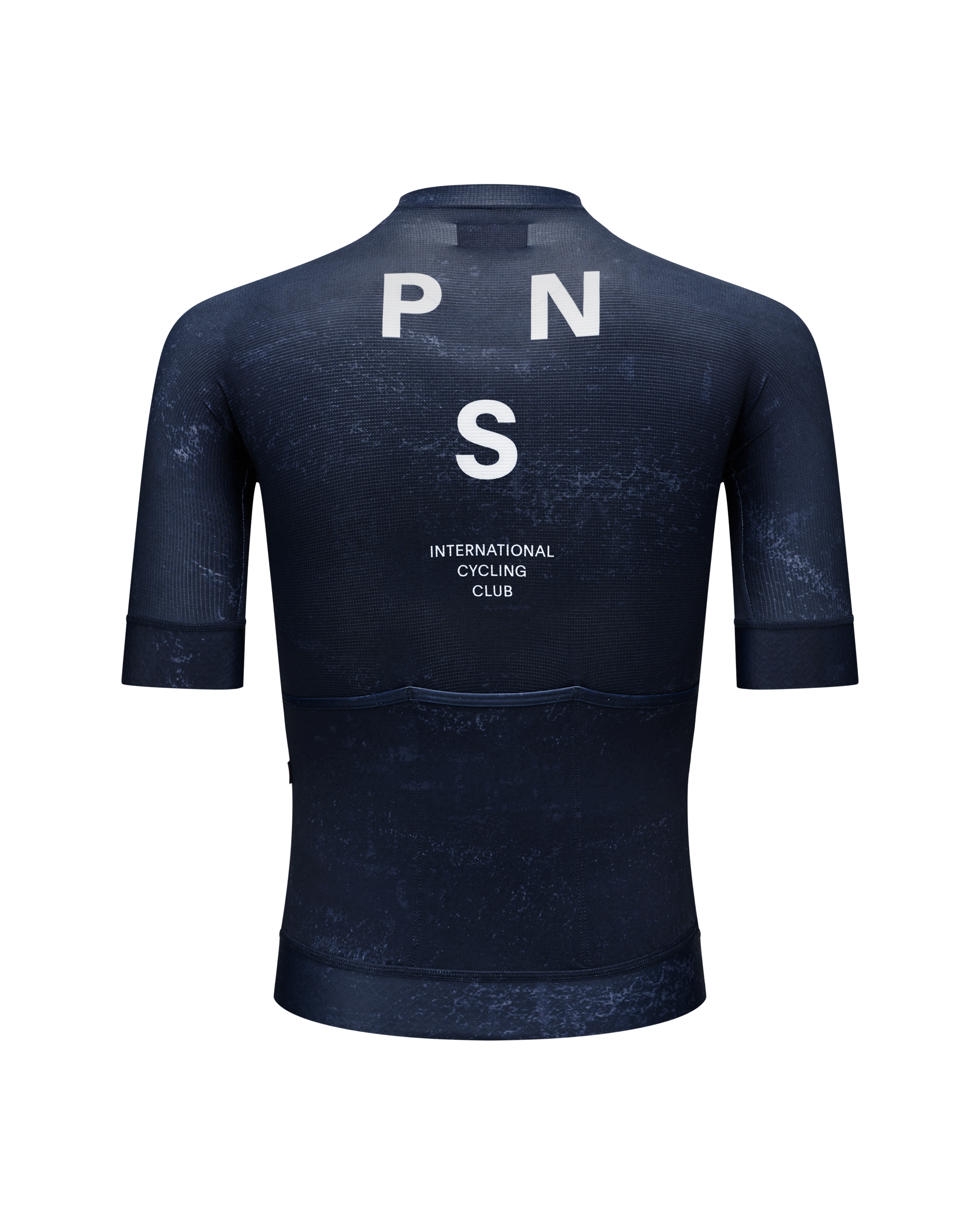
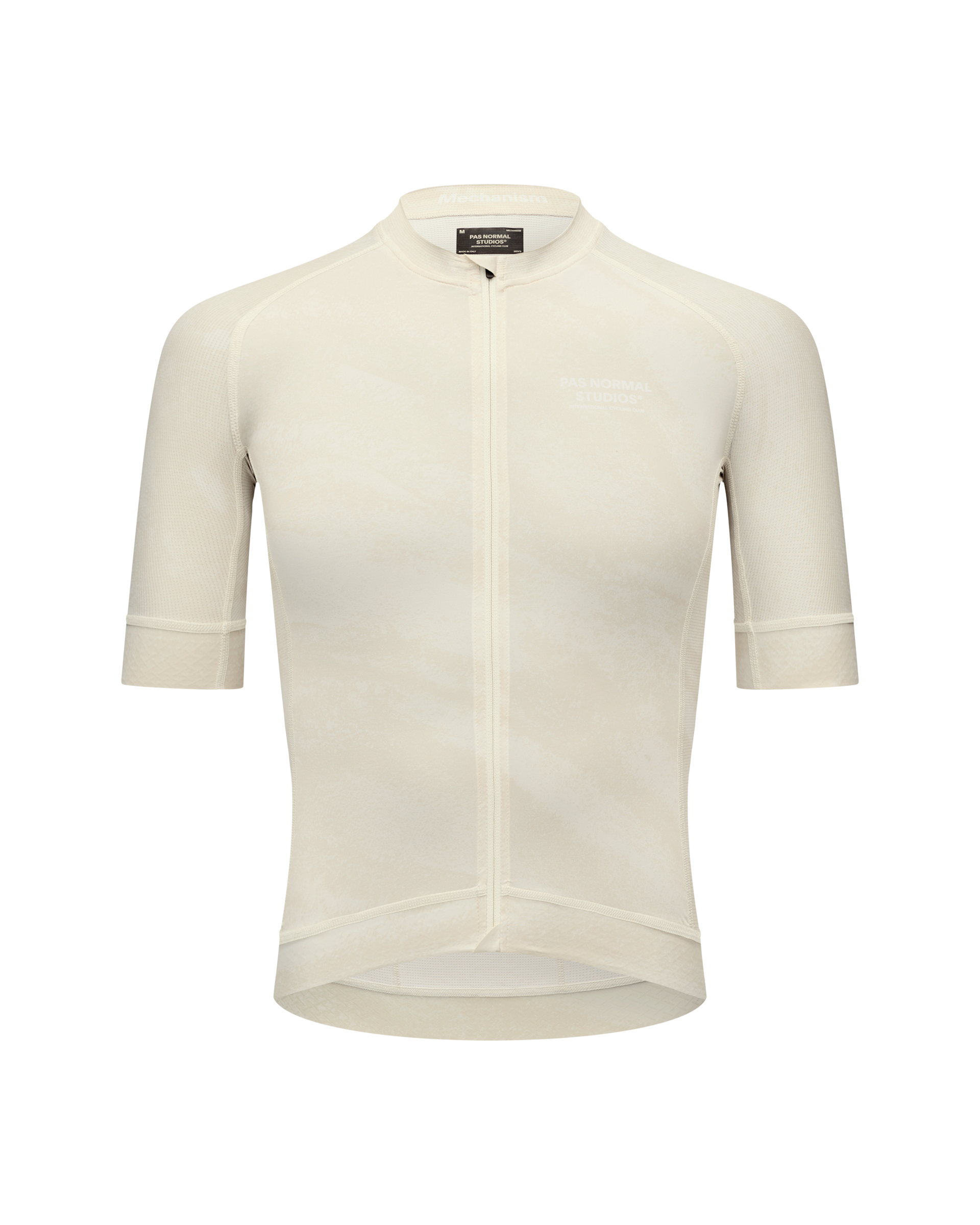
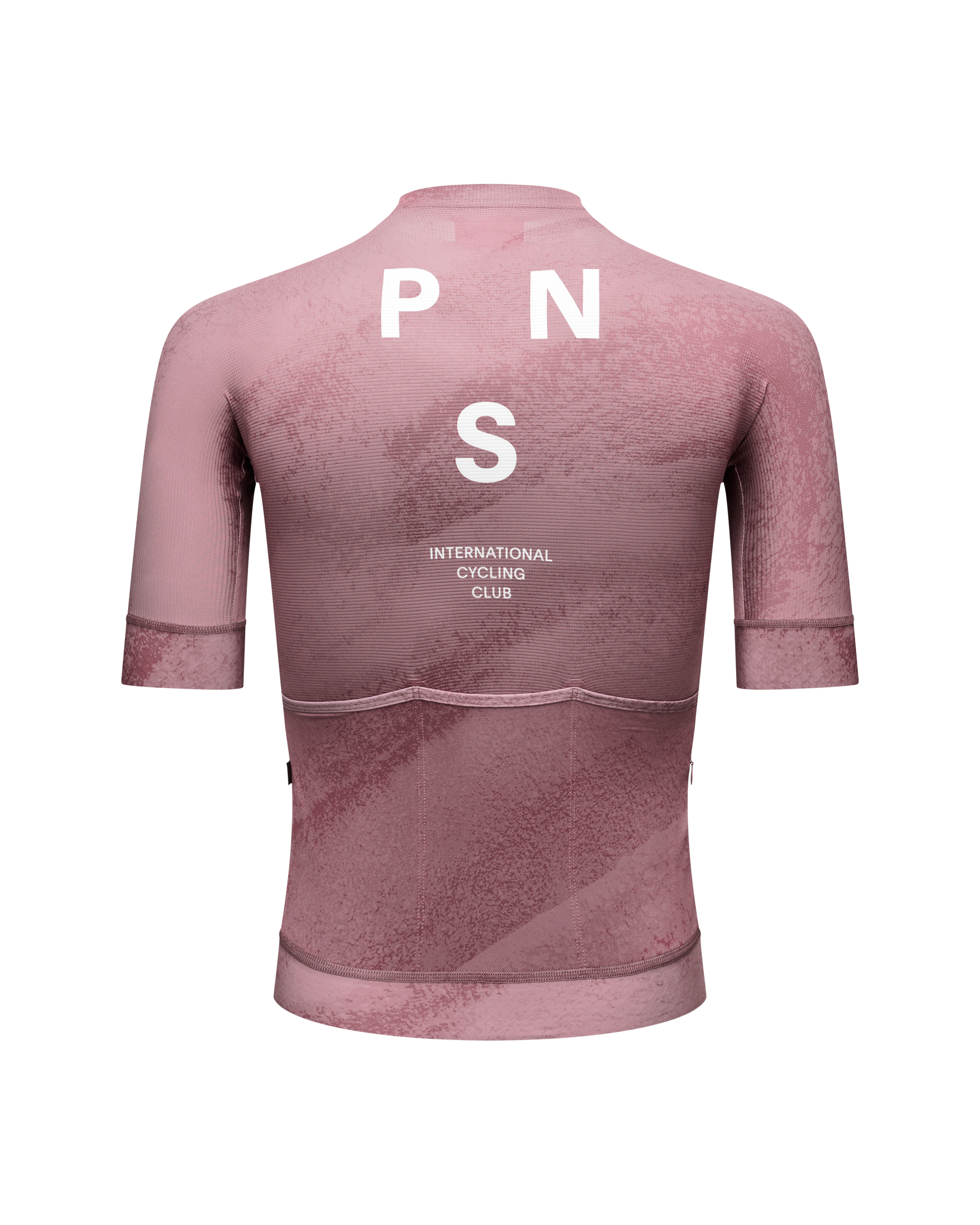
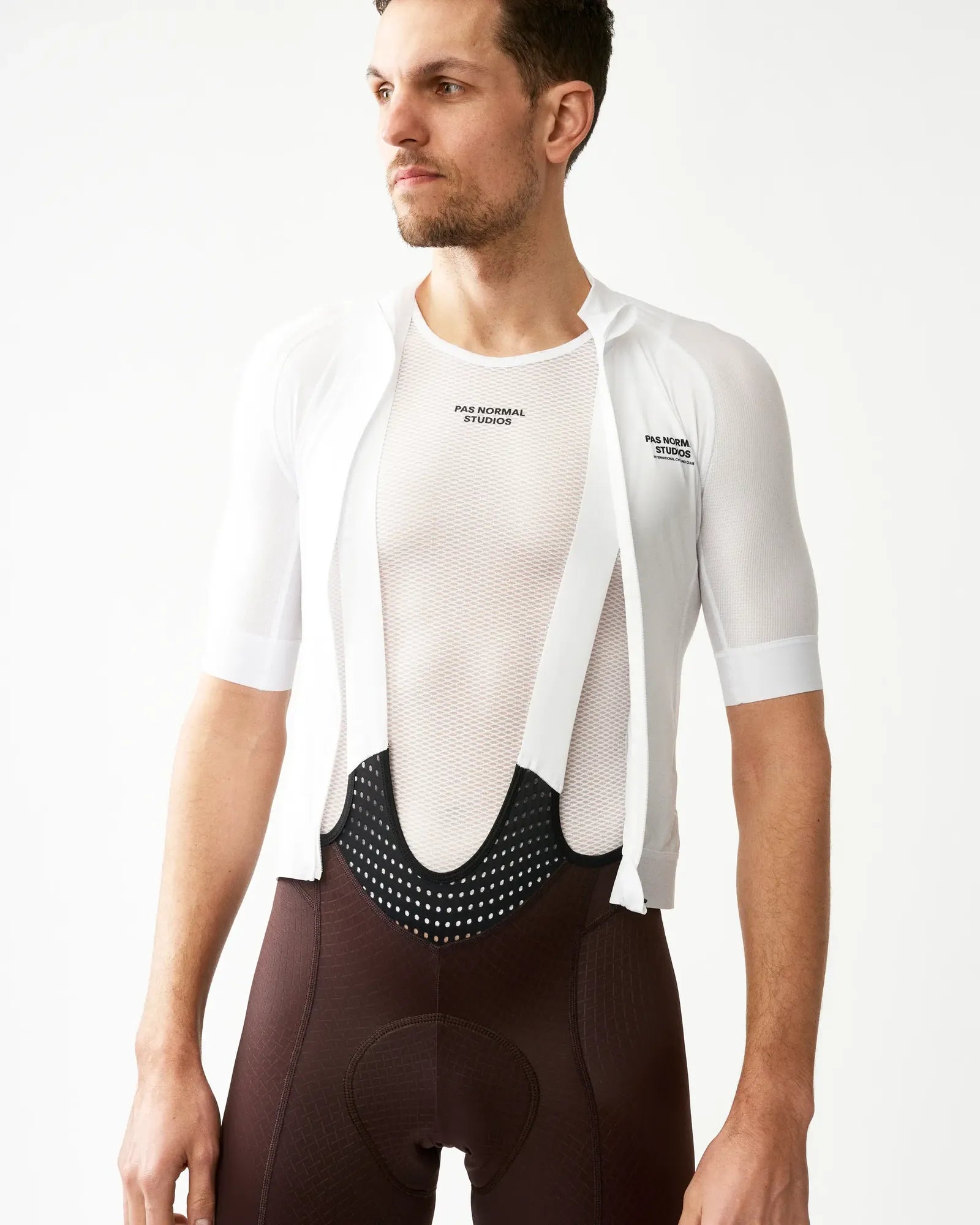
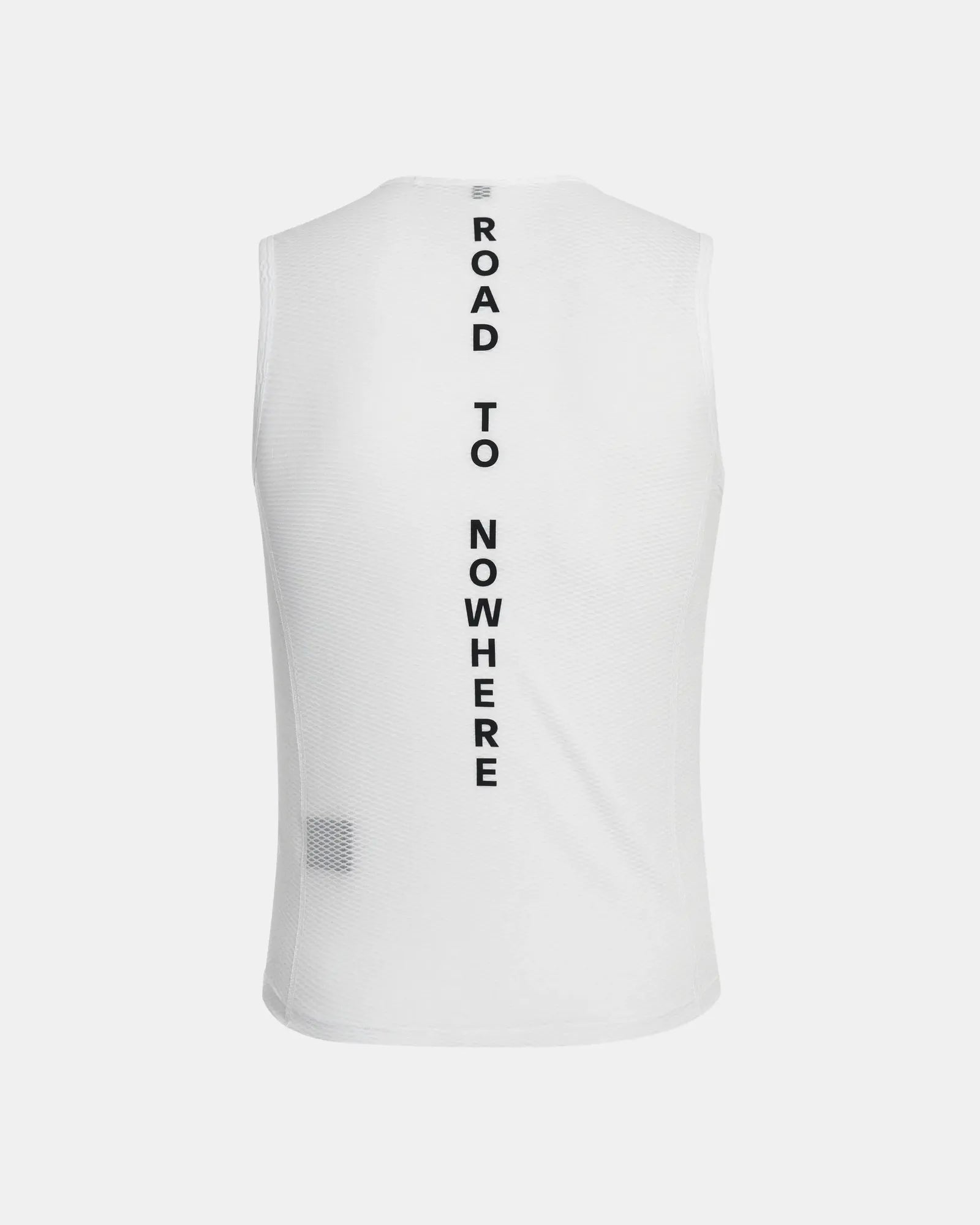
6. Clothing also makes you go faster
Today's technical clothing doesn't just aim to be comfortable.
It is also designed to improve airflow around the cyclist.
Seams, fabrics, sleeves, fit, and even pocket placement all contribute to aerodynamic performance.
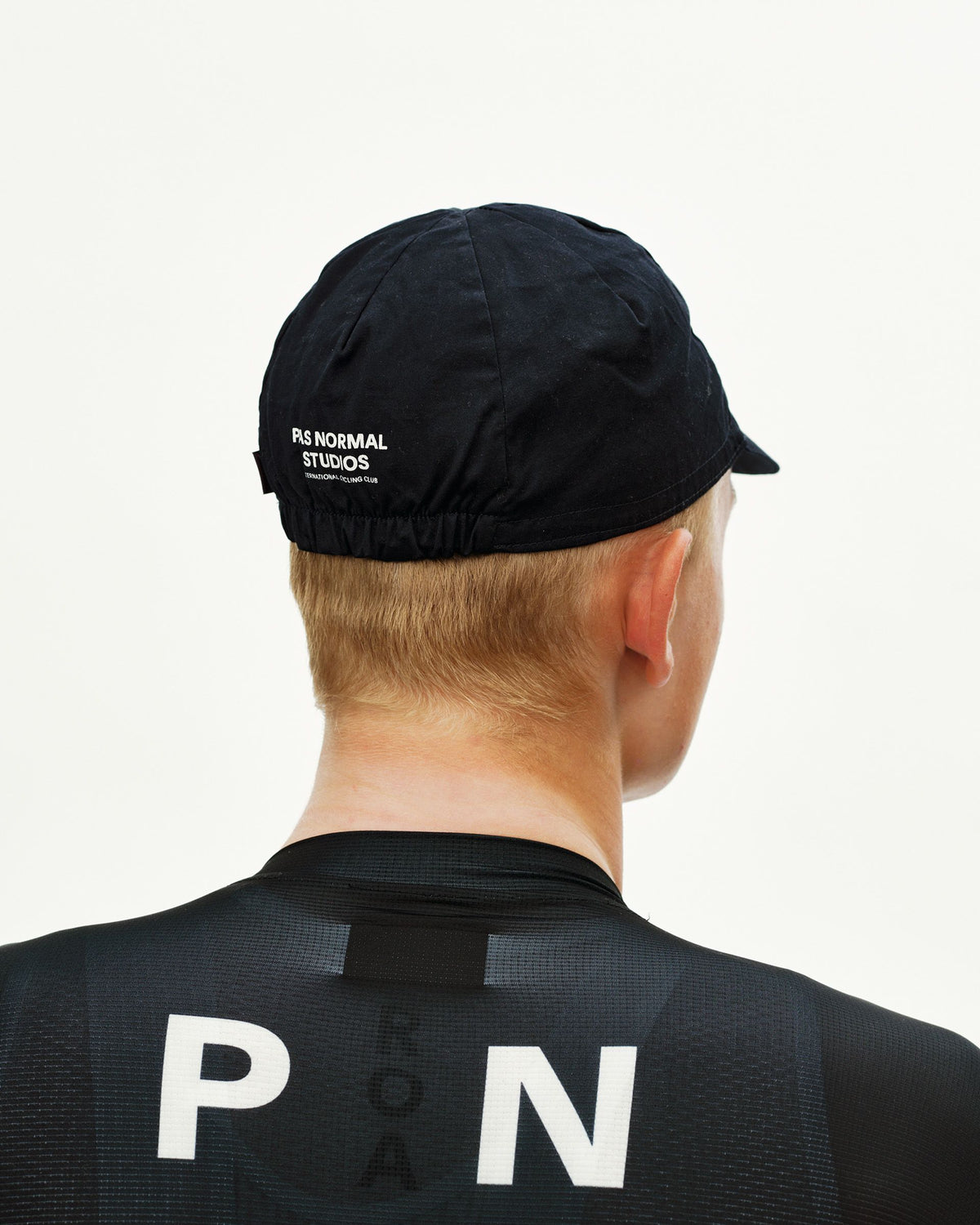
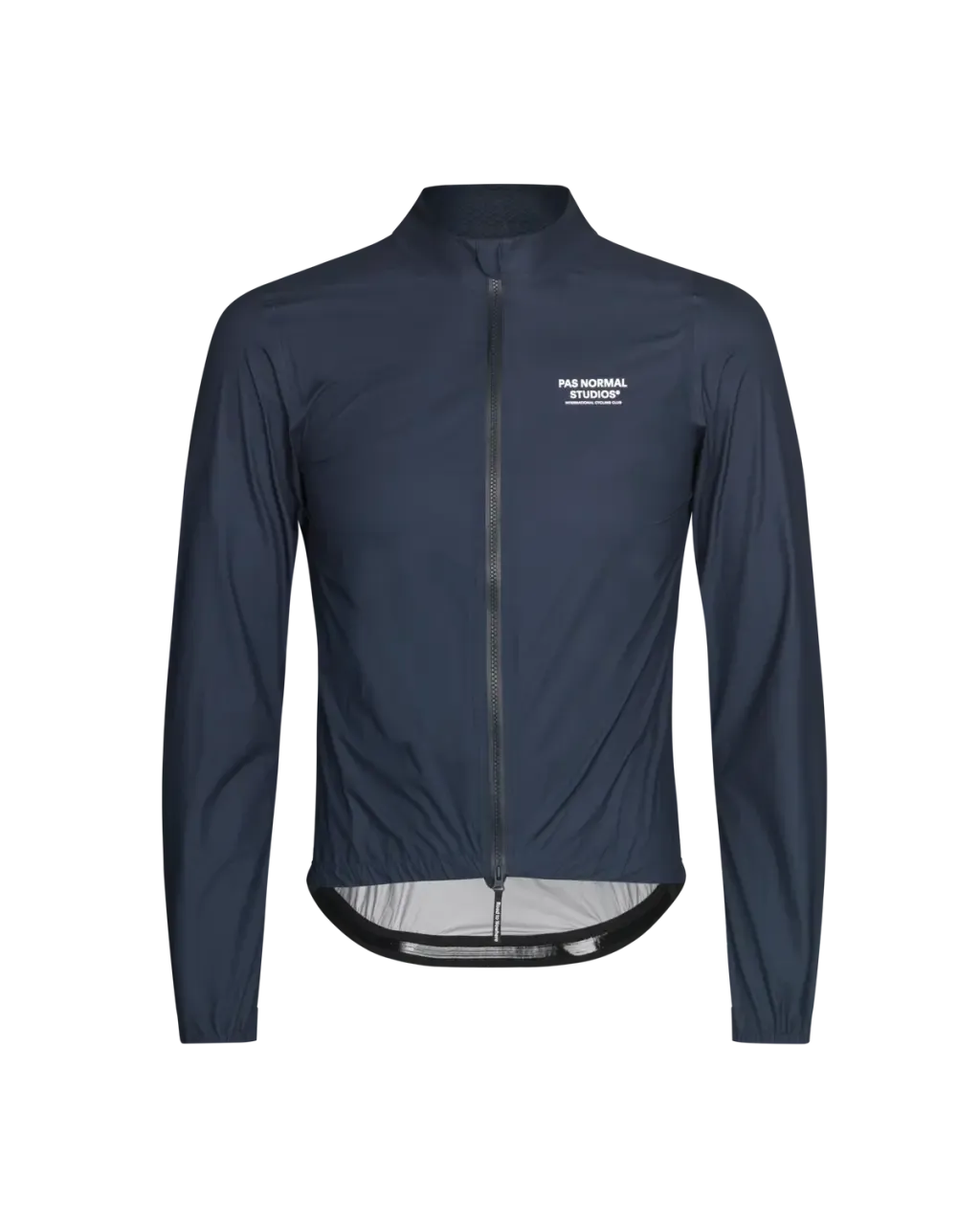
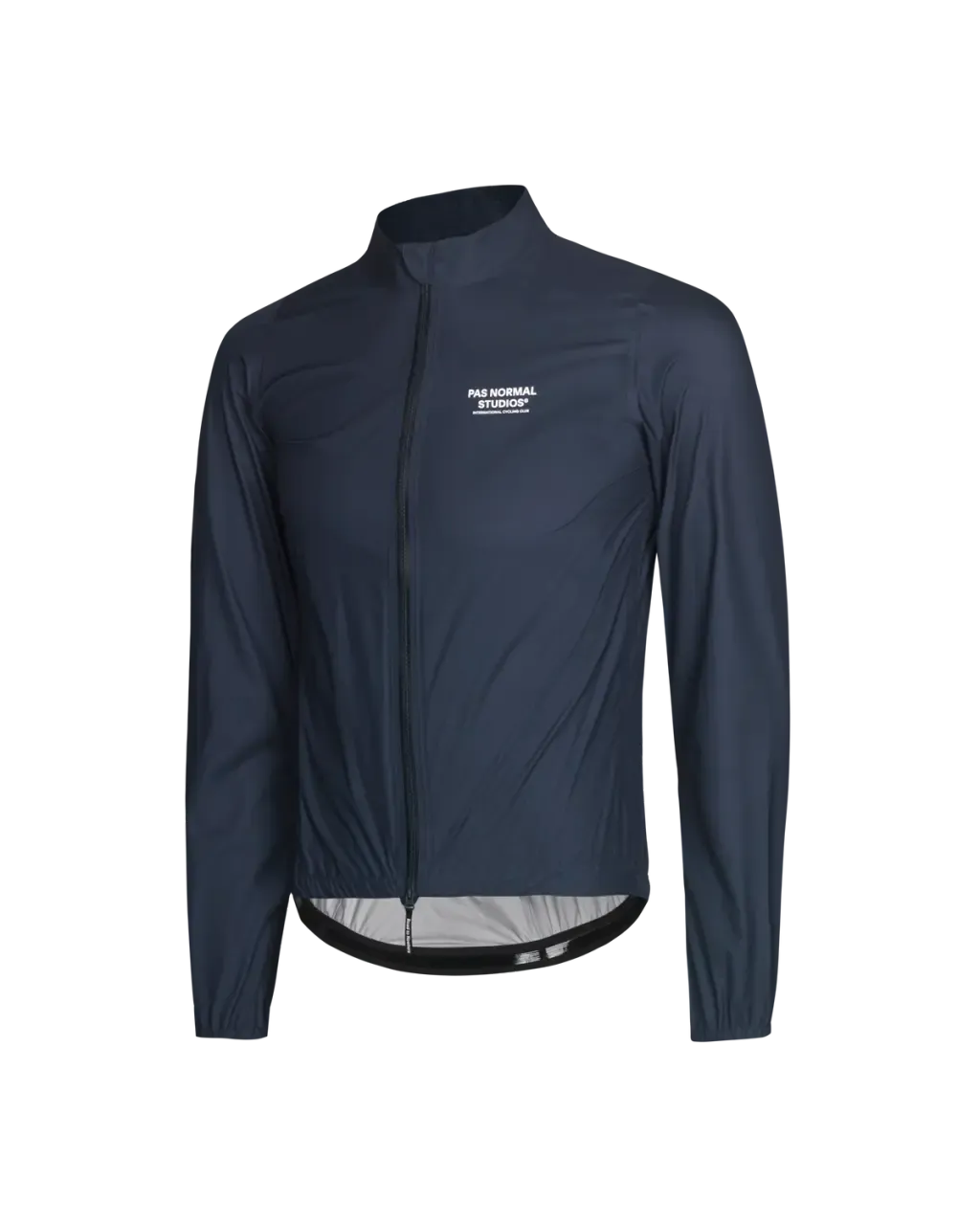
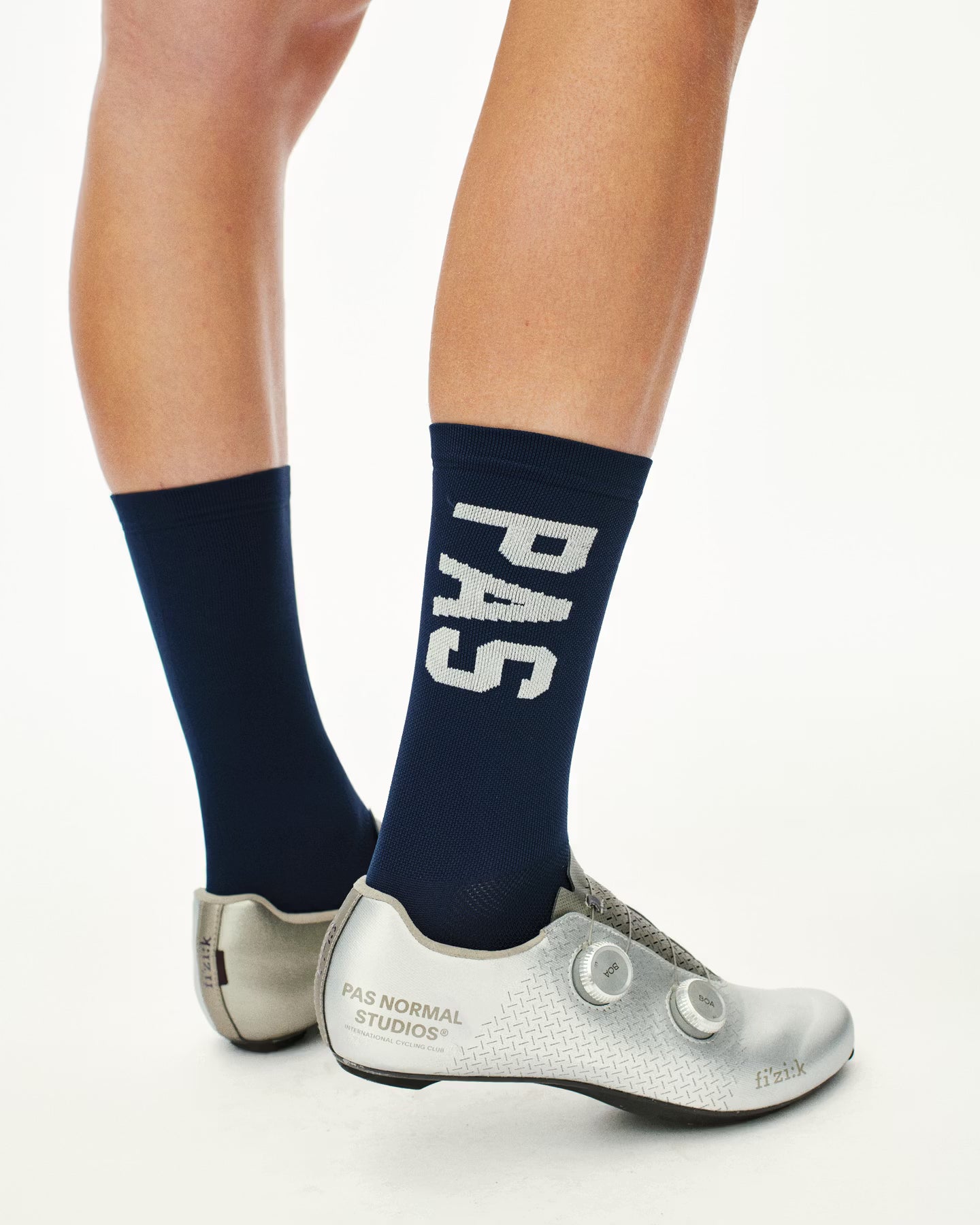
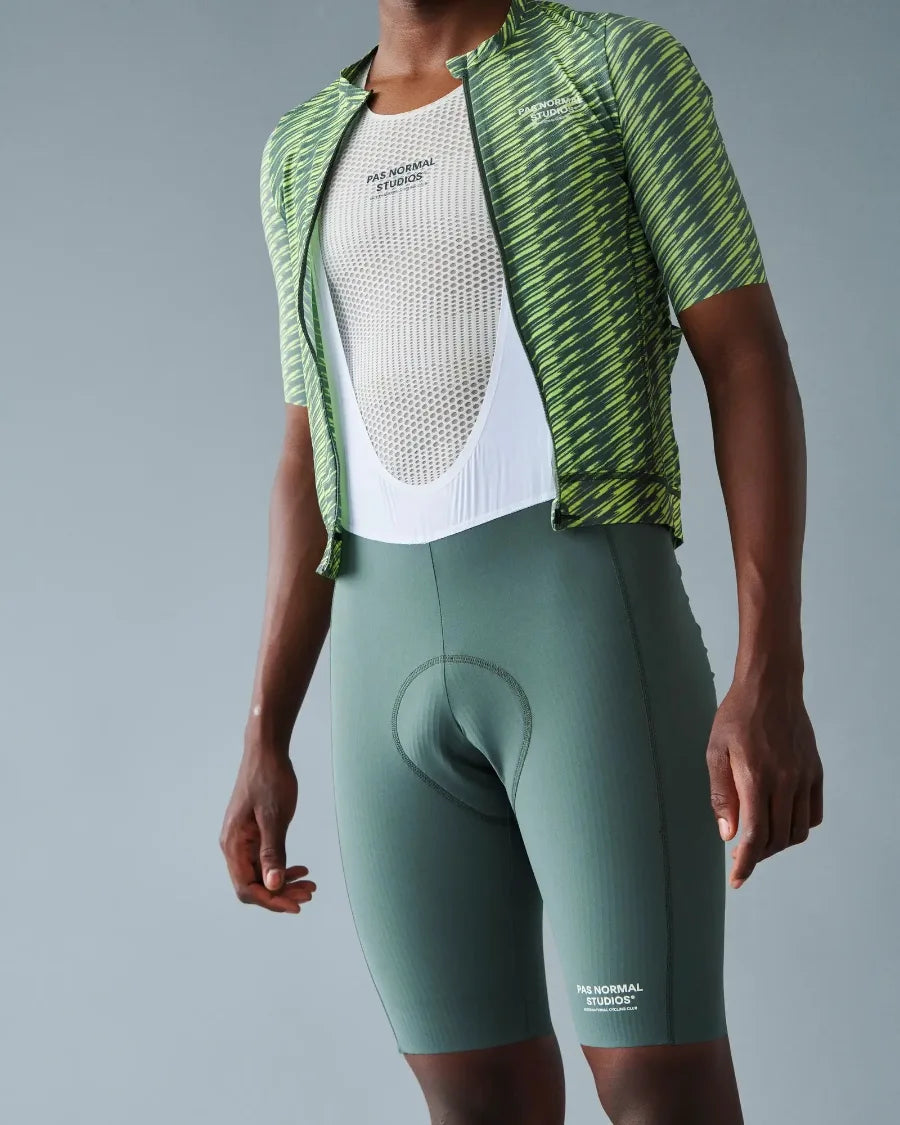
That's why brands like Pas Normal Studios or MAAP dedicate so many resources to developing their garments.
Aerodynamics doesn't start with the bike.
It starts with the cyclist.

7. The helmet can save more watts than it seems
Modern aero helmets have also evolved enormously.
Independent wind tunnel tests show differences of close to 10 watts at 40 km/h between some of the most aerodynamic helmets and others that are clearly more ventilated.
However, the fastest helmet won't always be the fastest for all cyclists.
Each person's position greatly influences the final result.

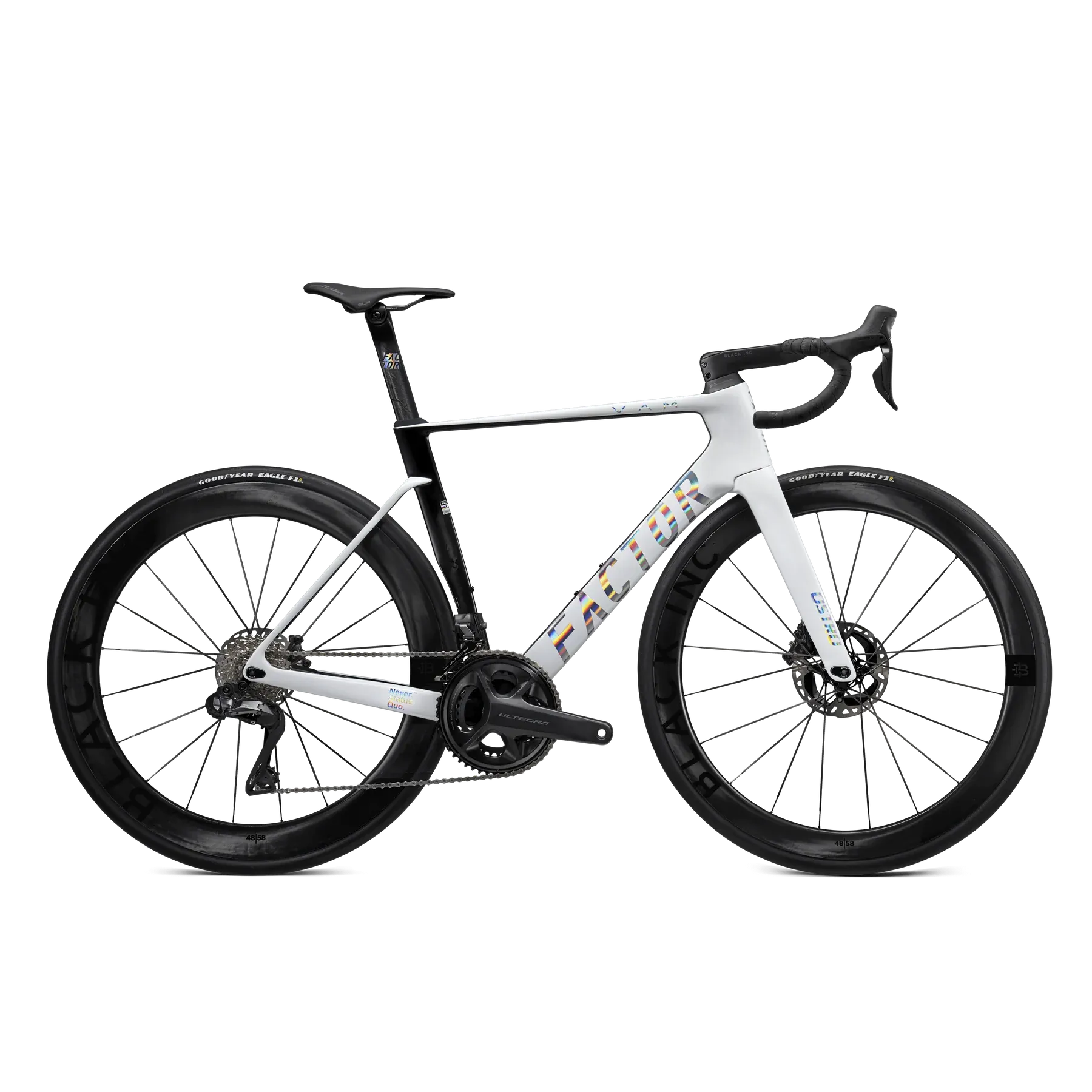
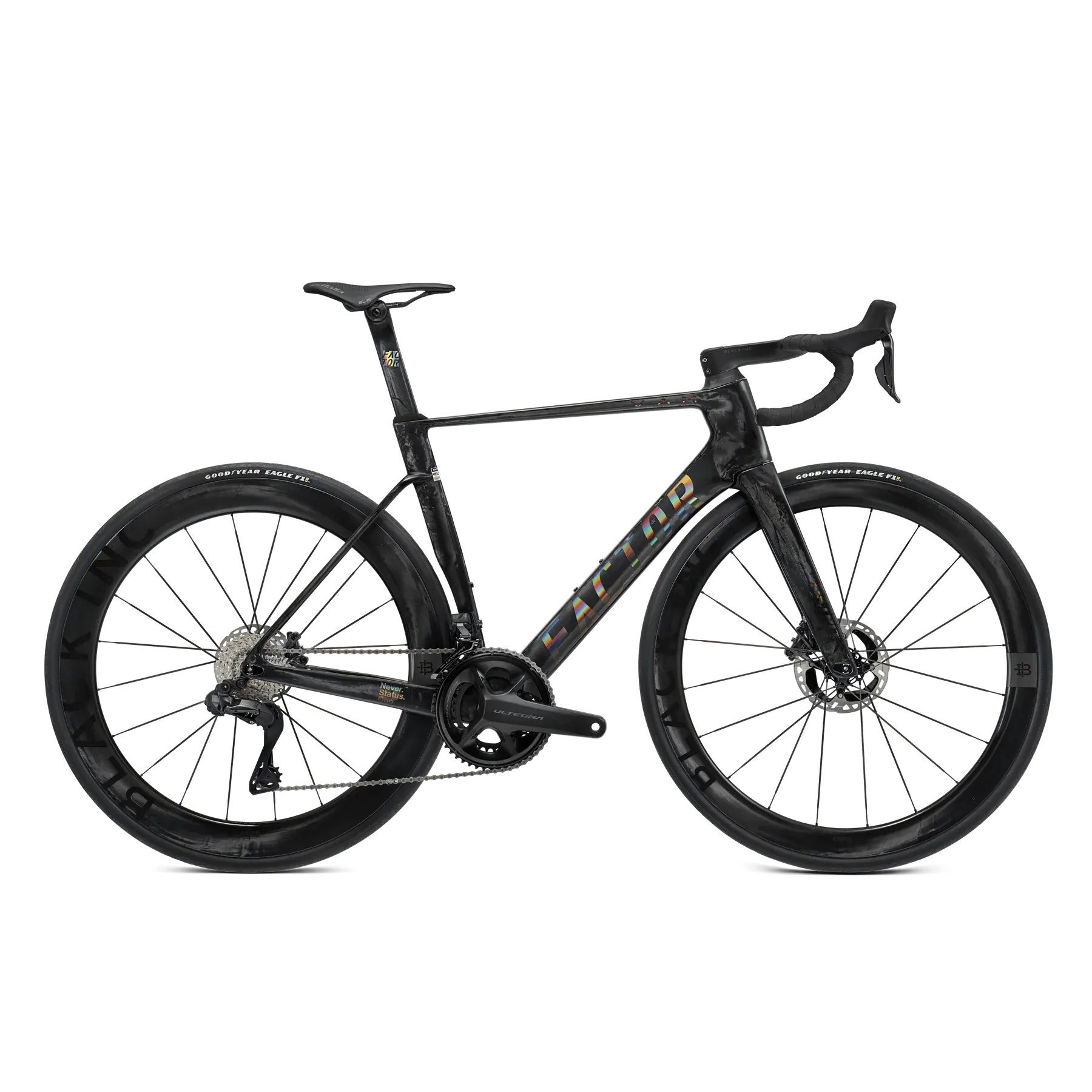
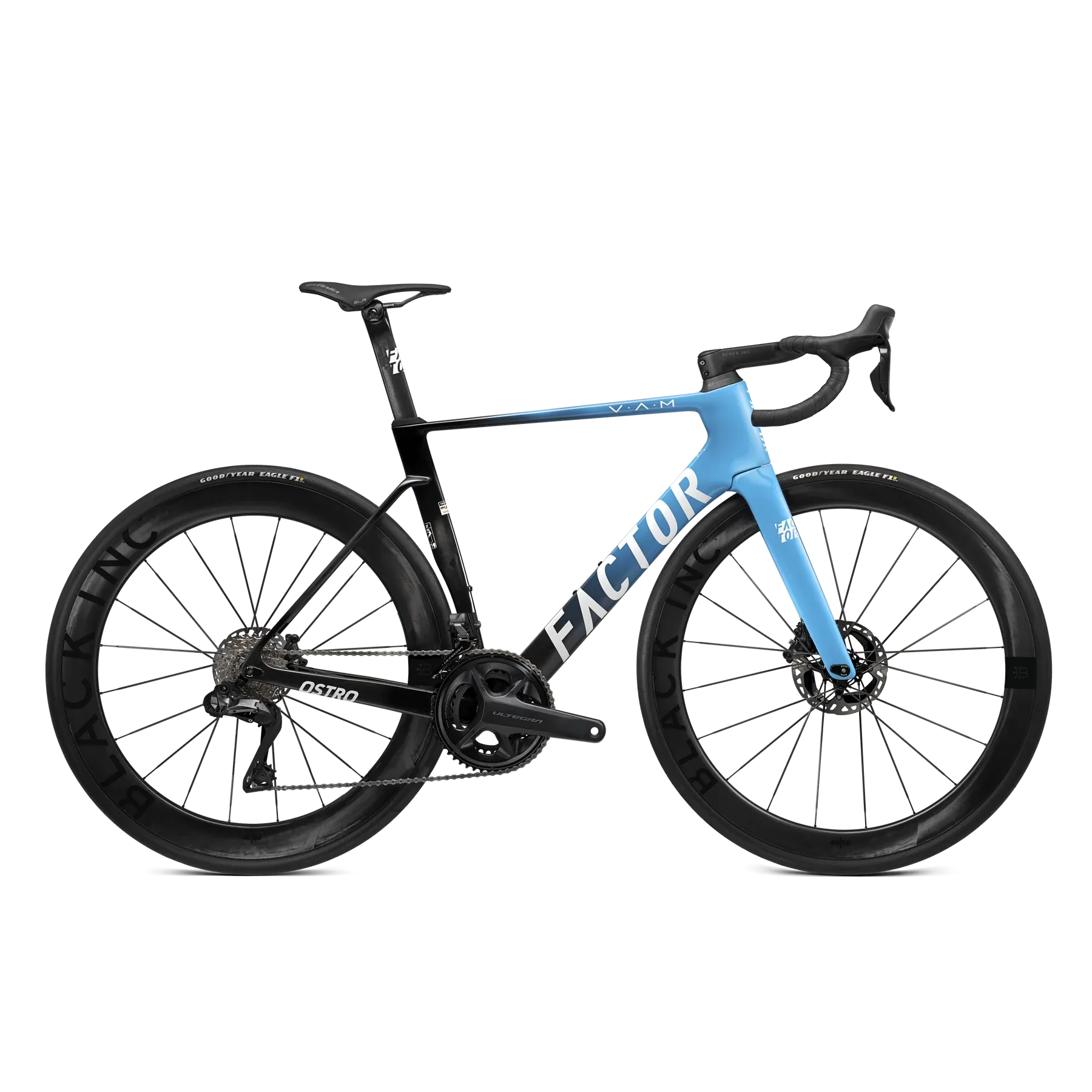
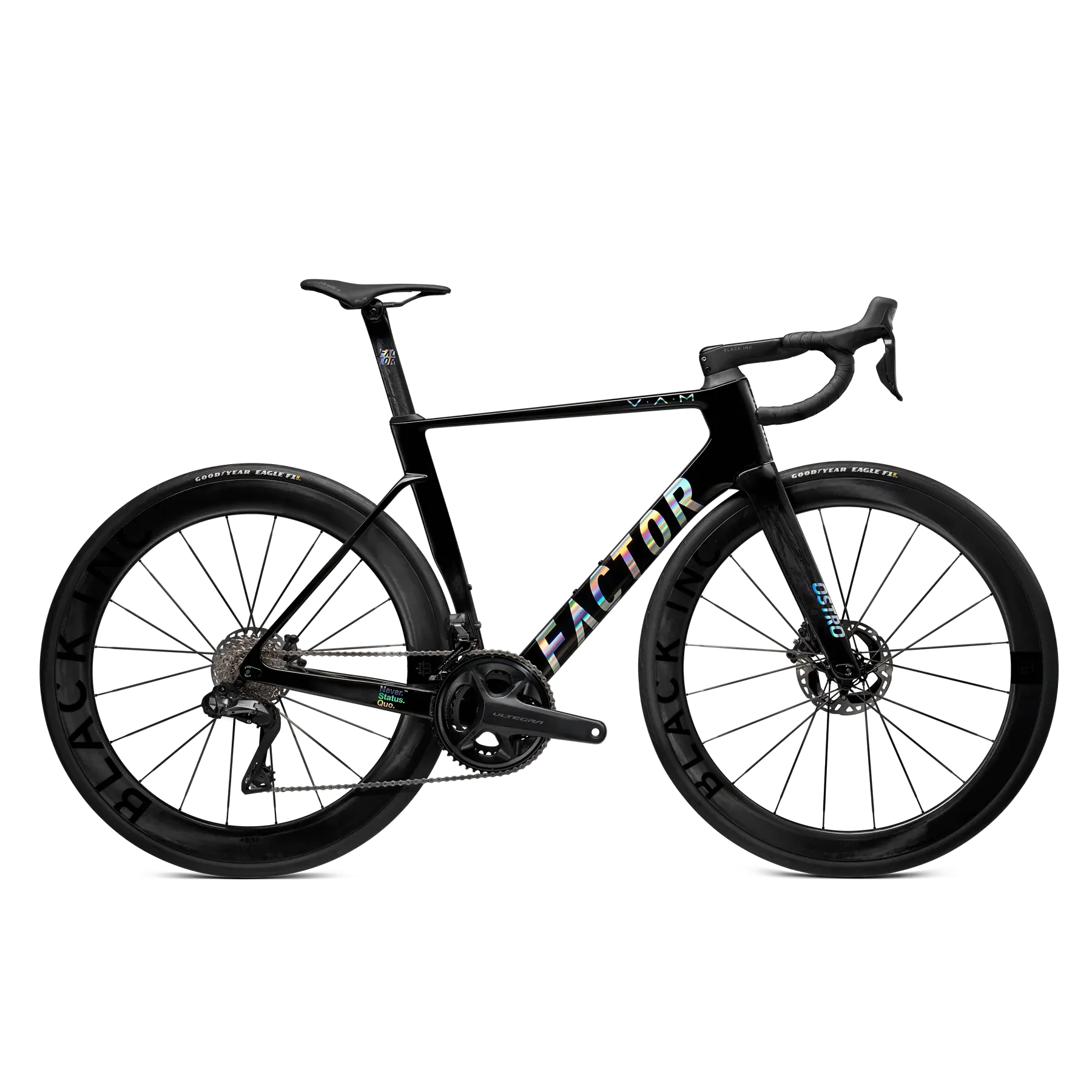
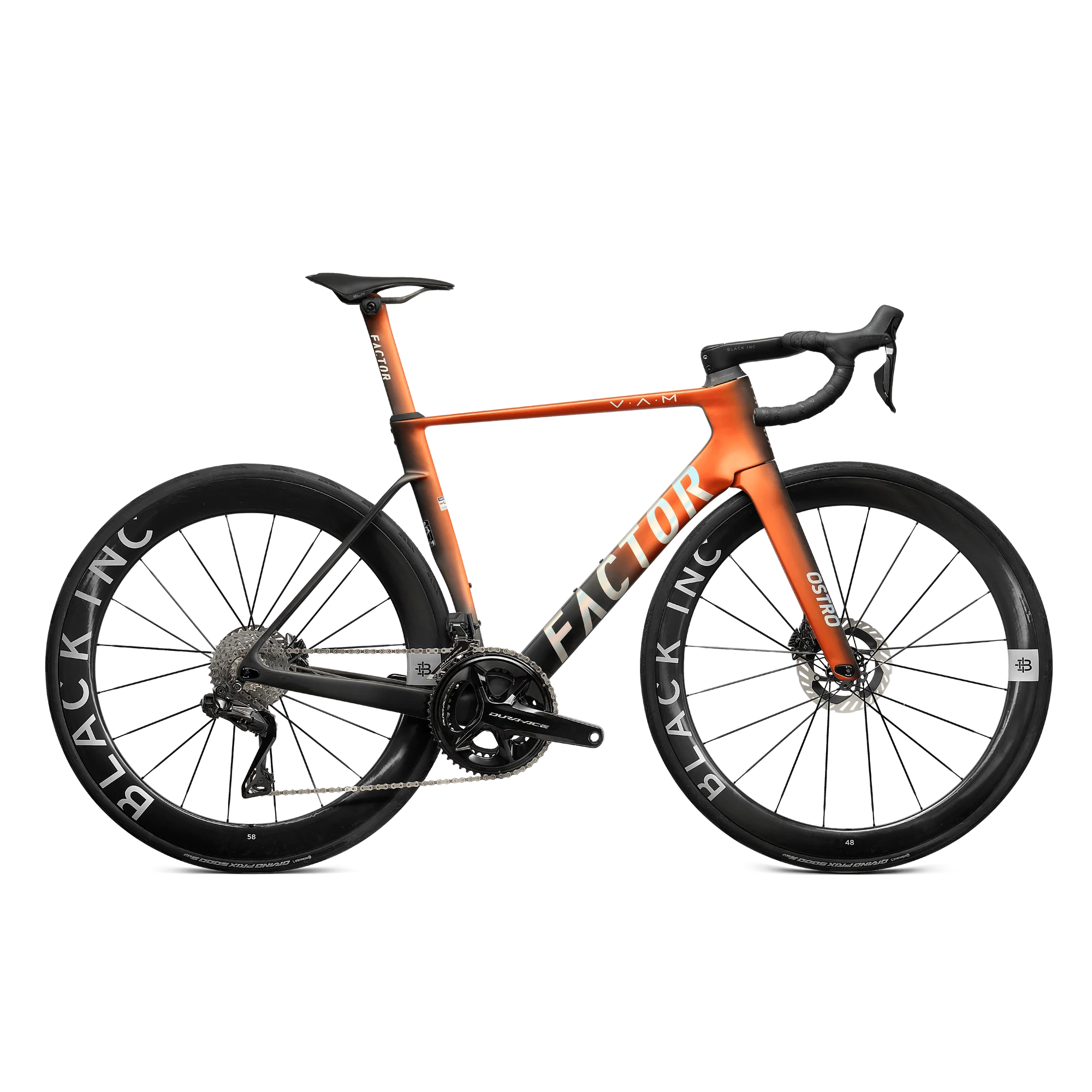
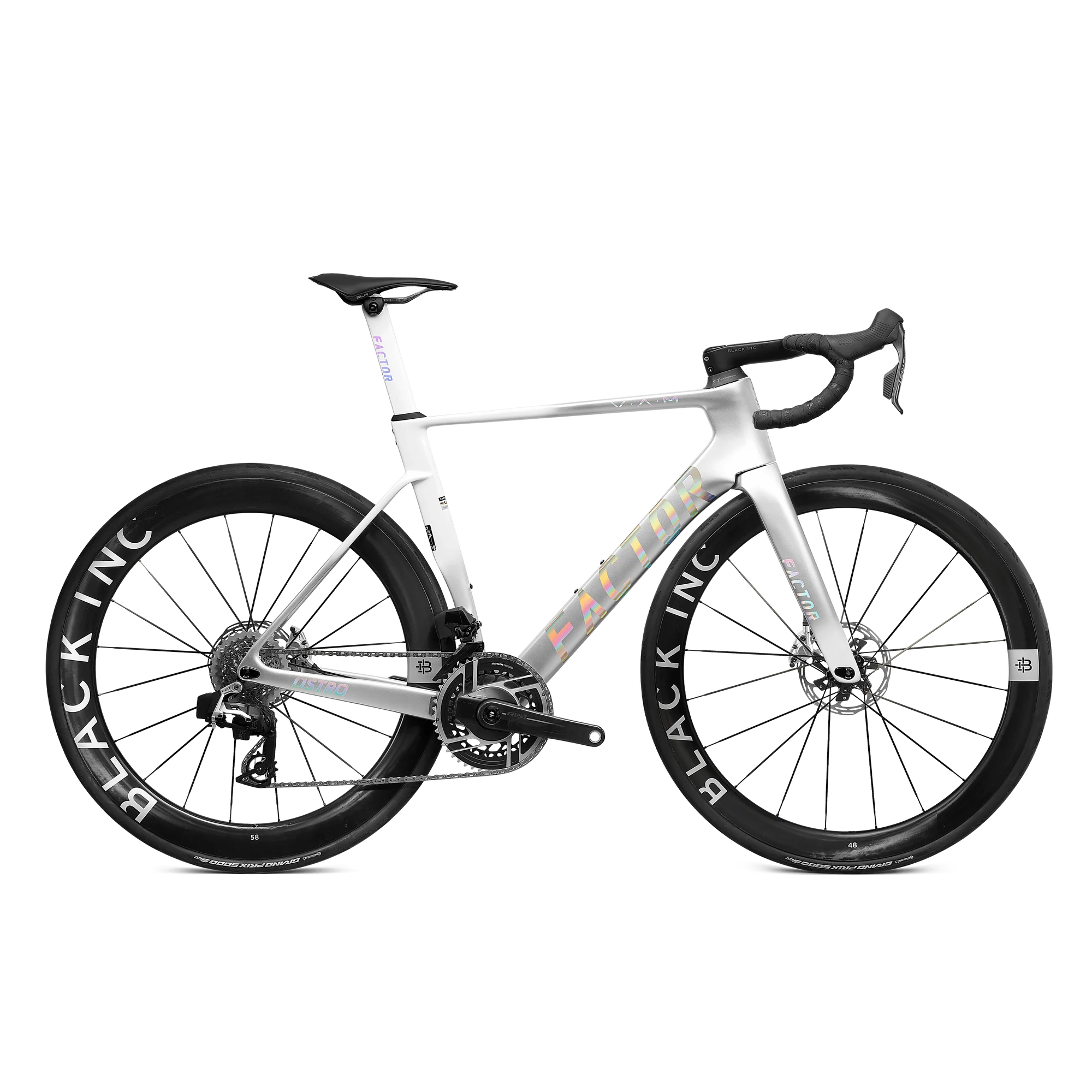
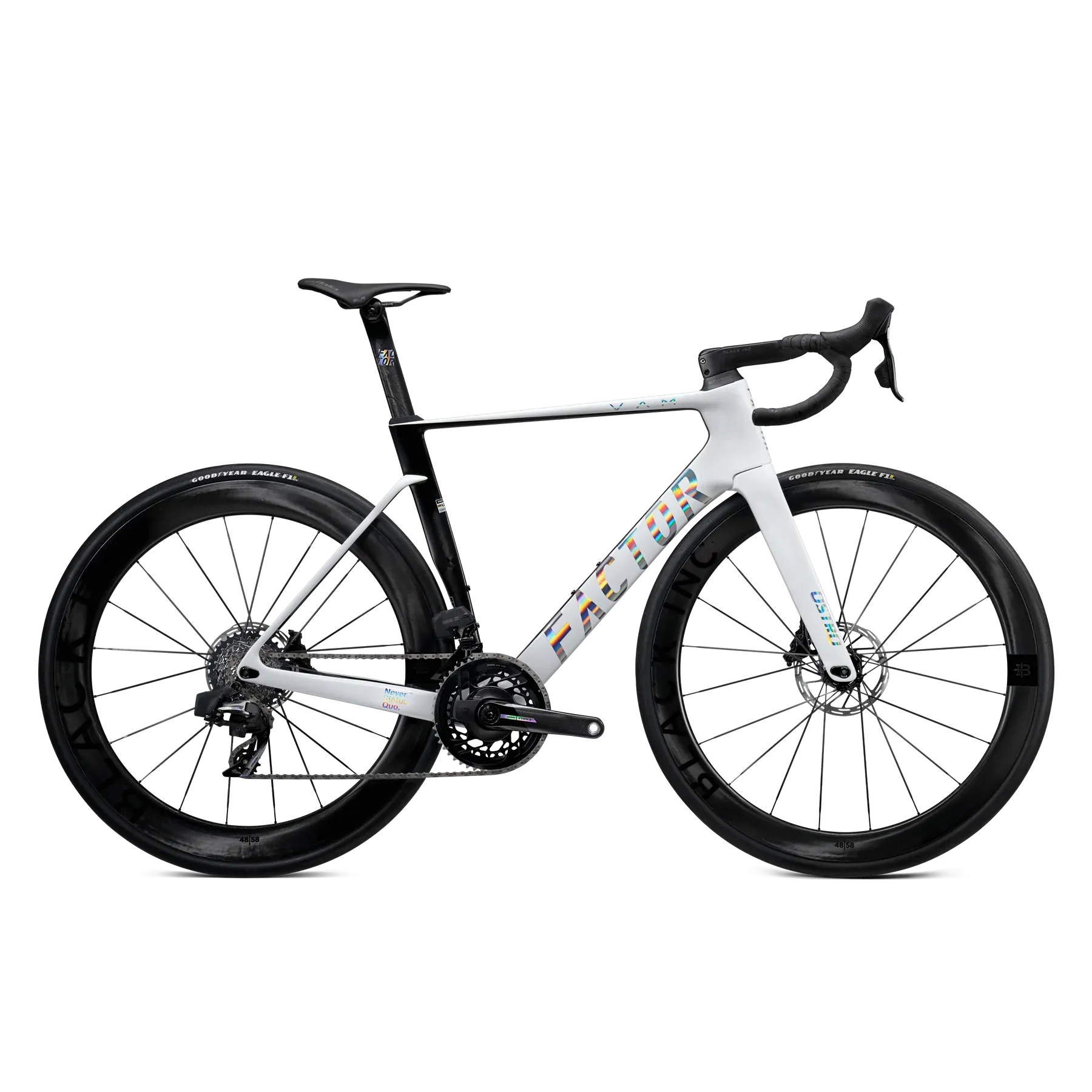
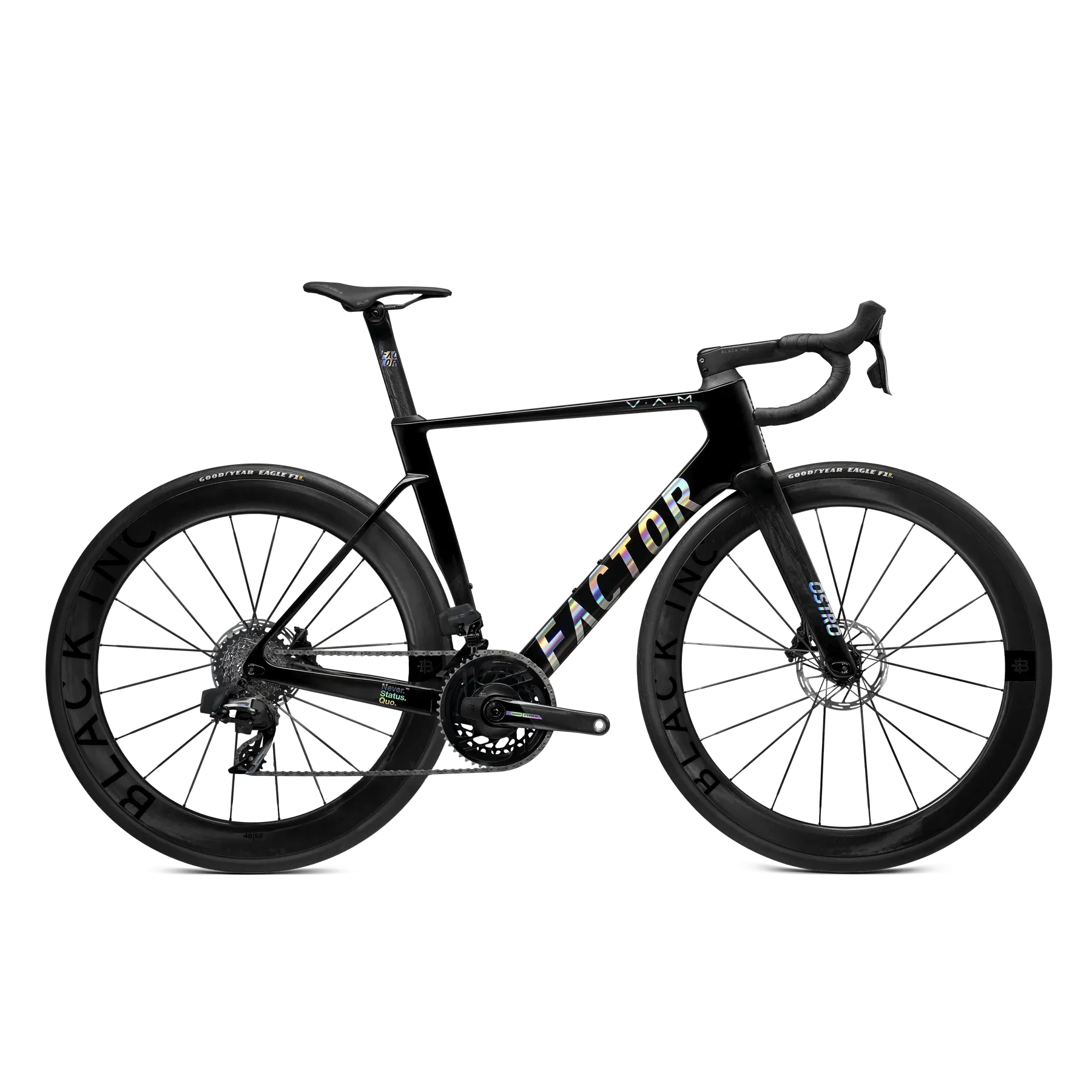
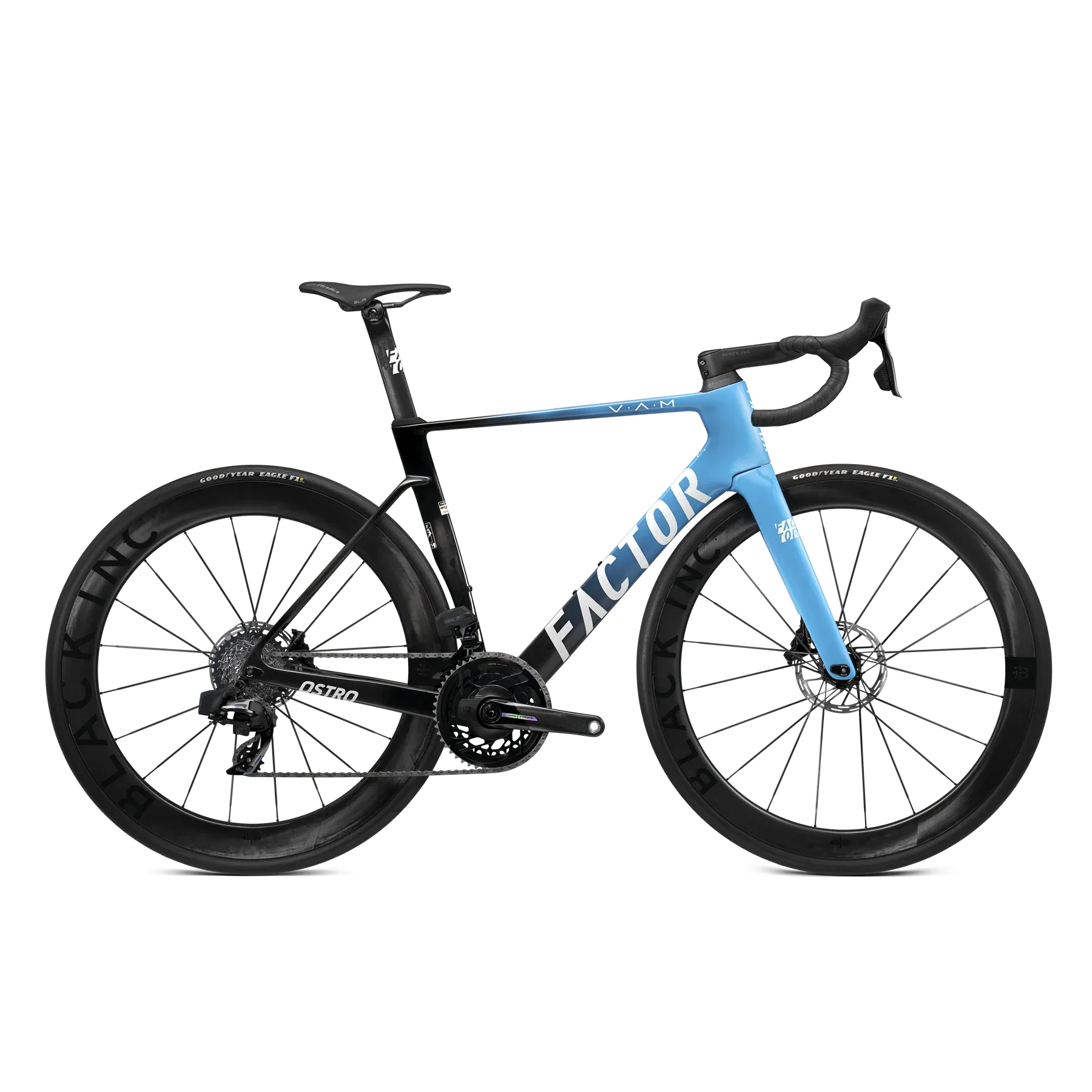
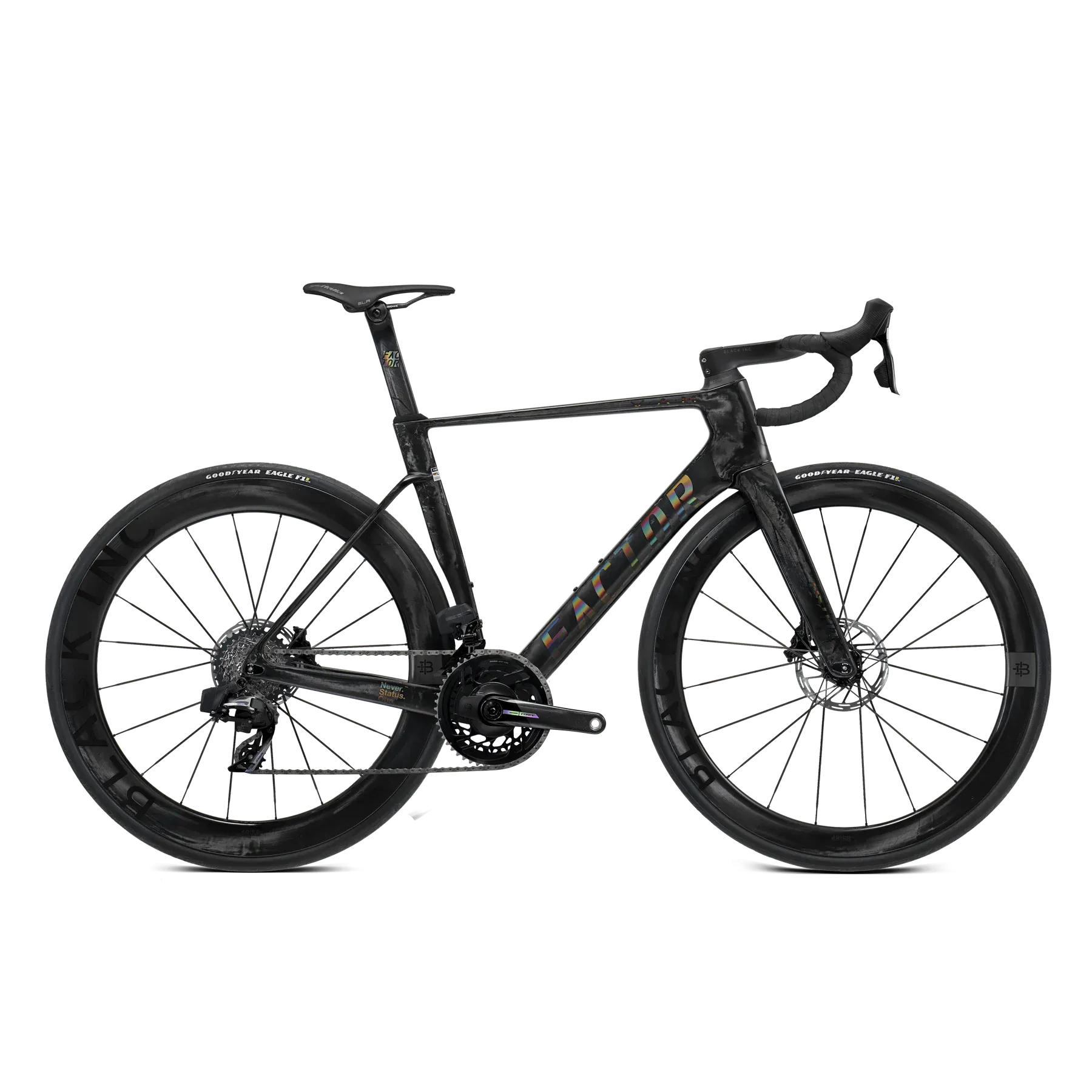
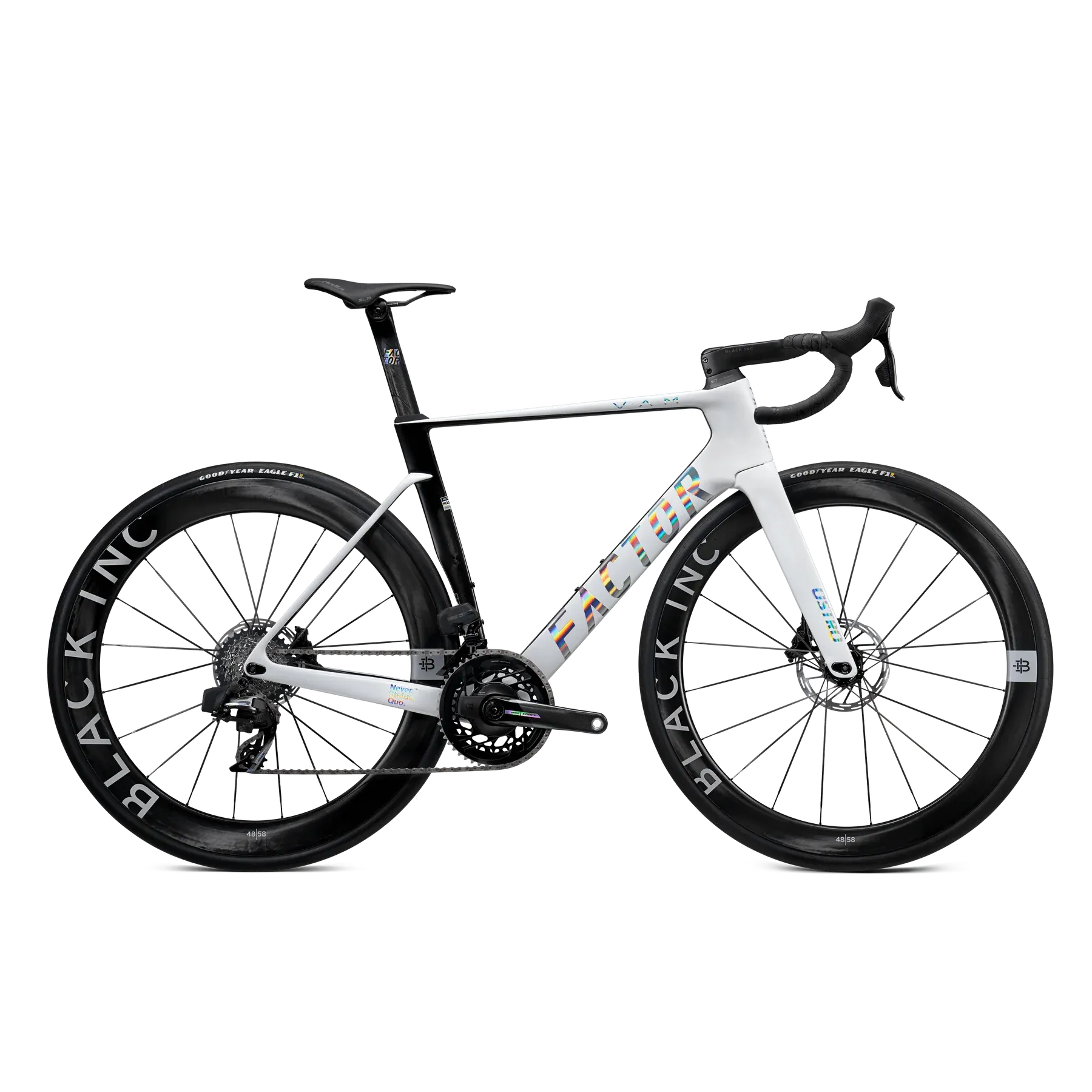
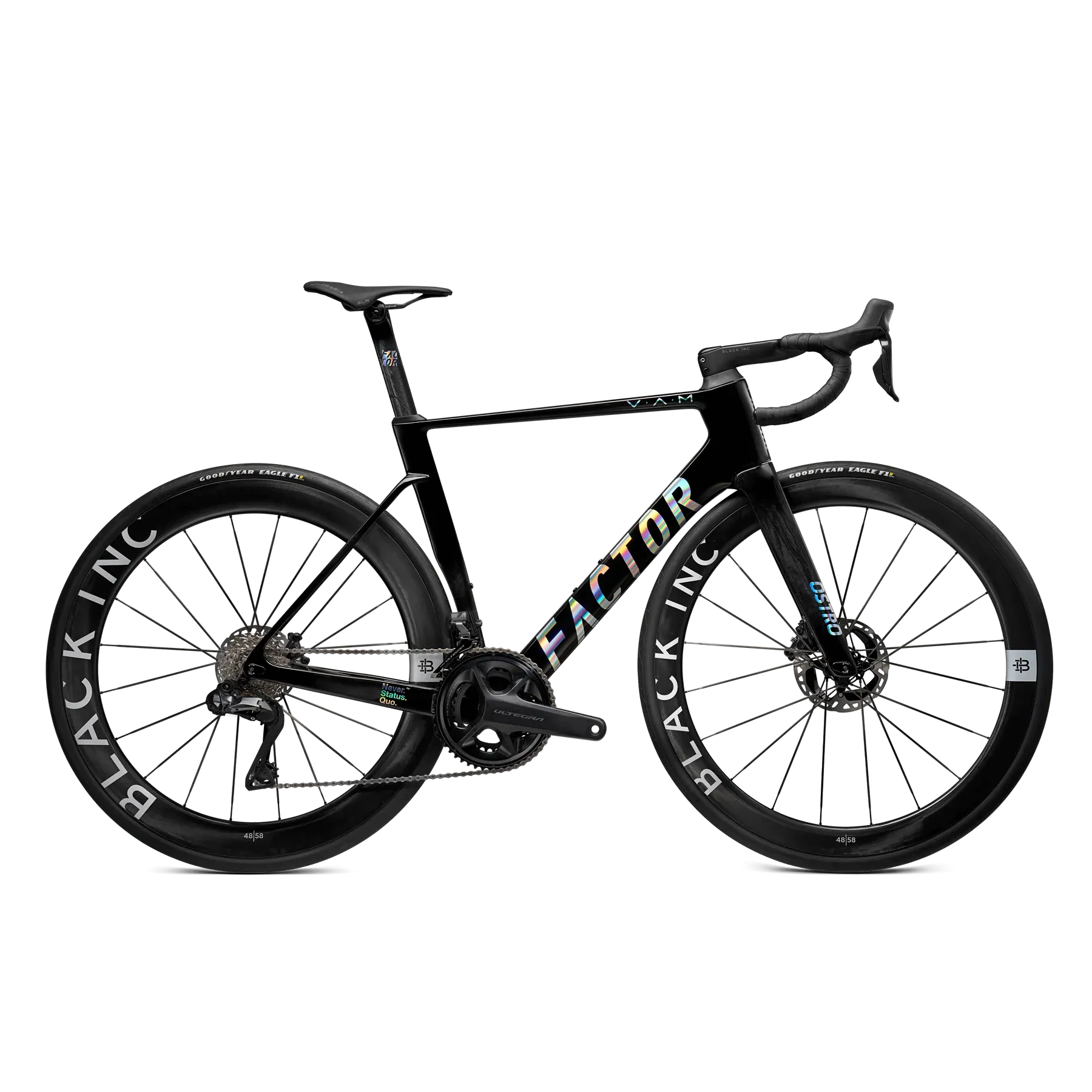
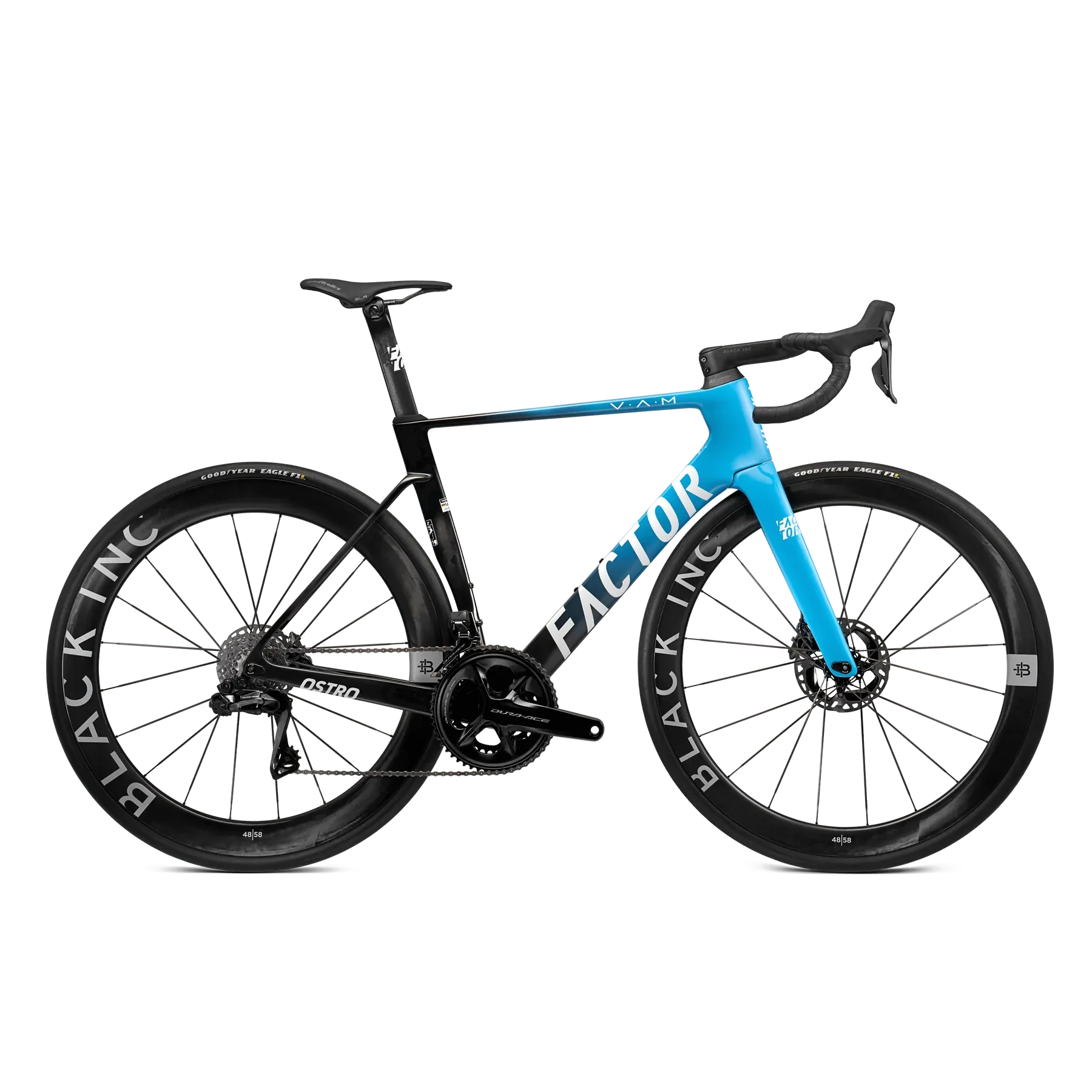
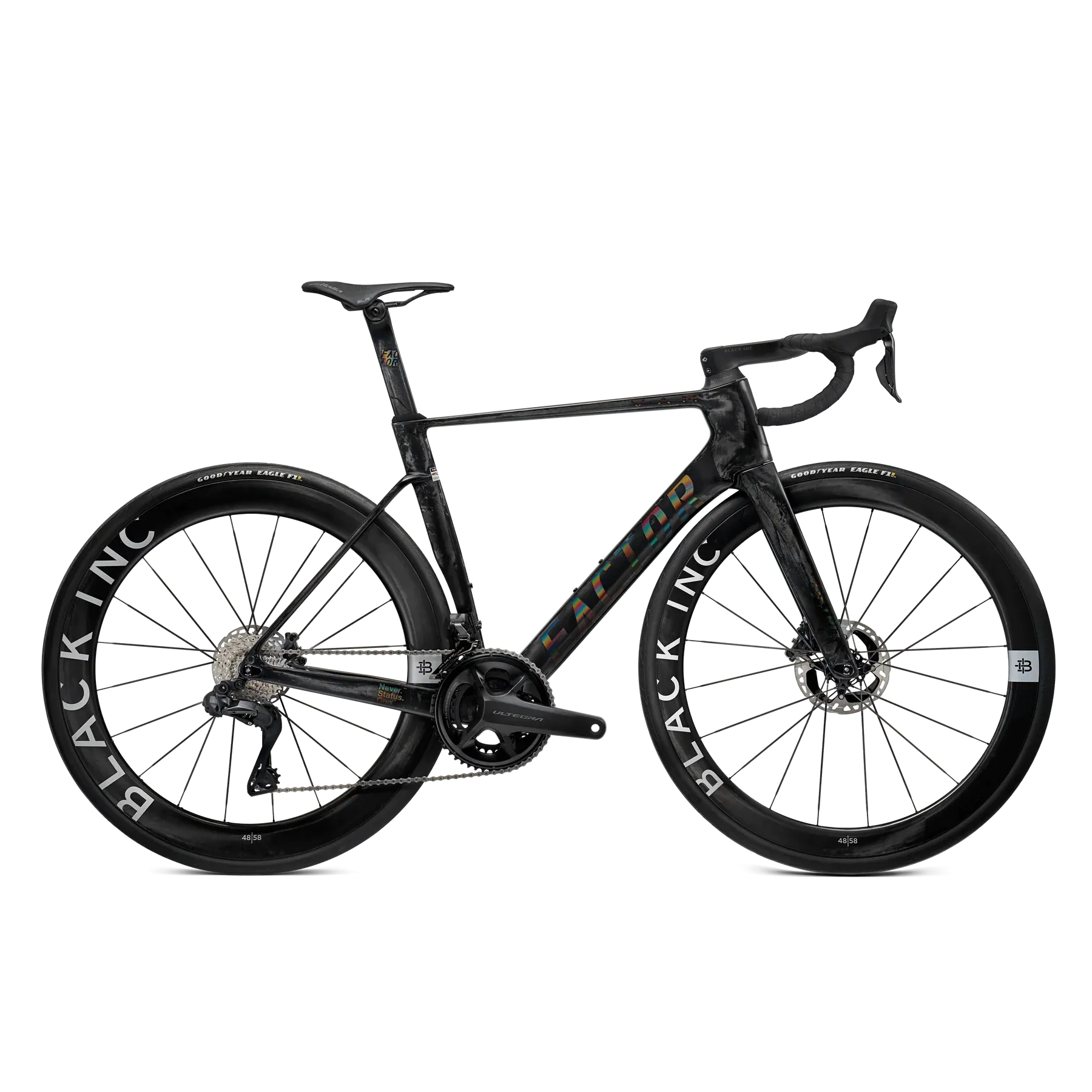
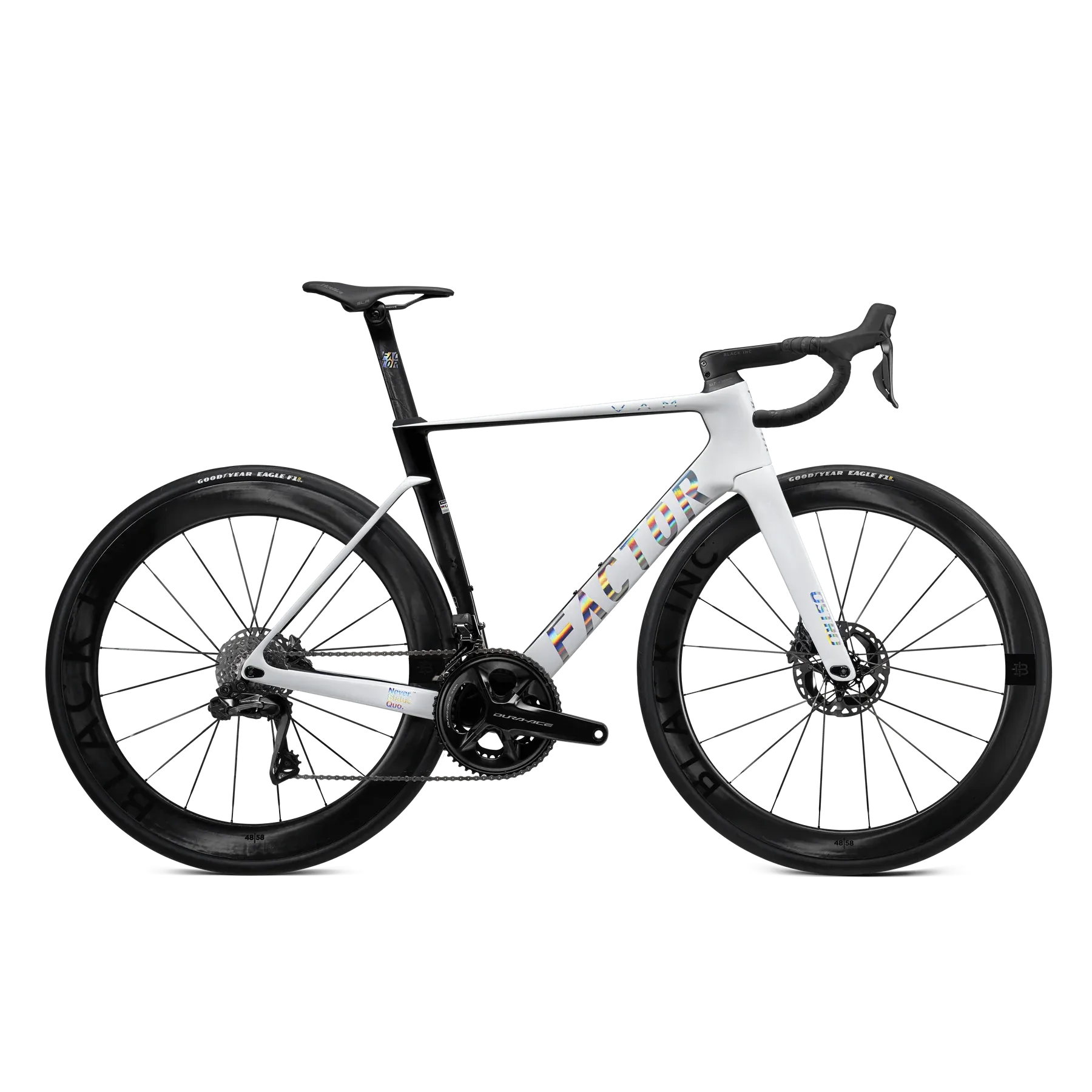
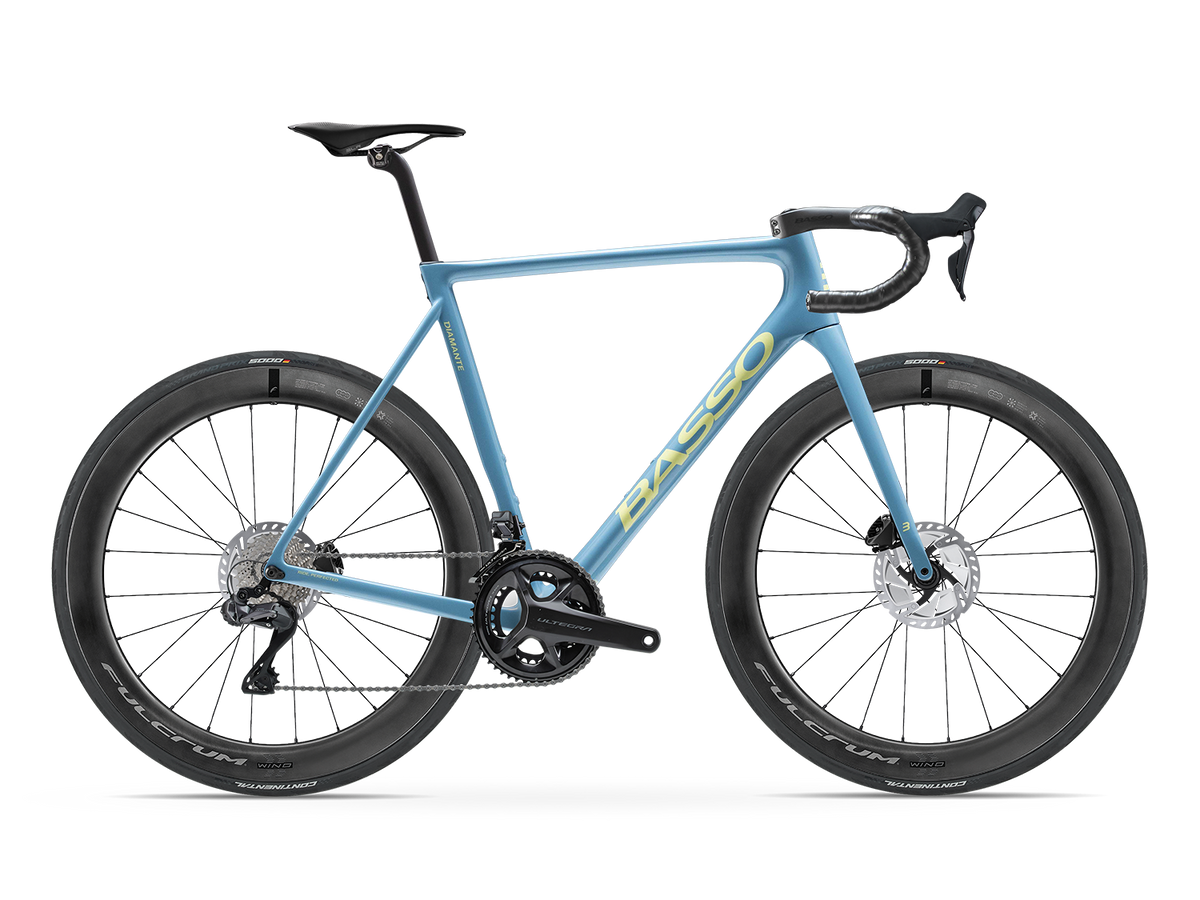
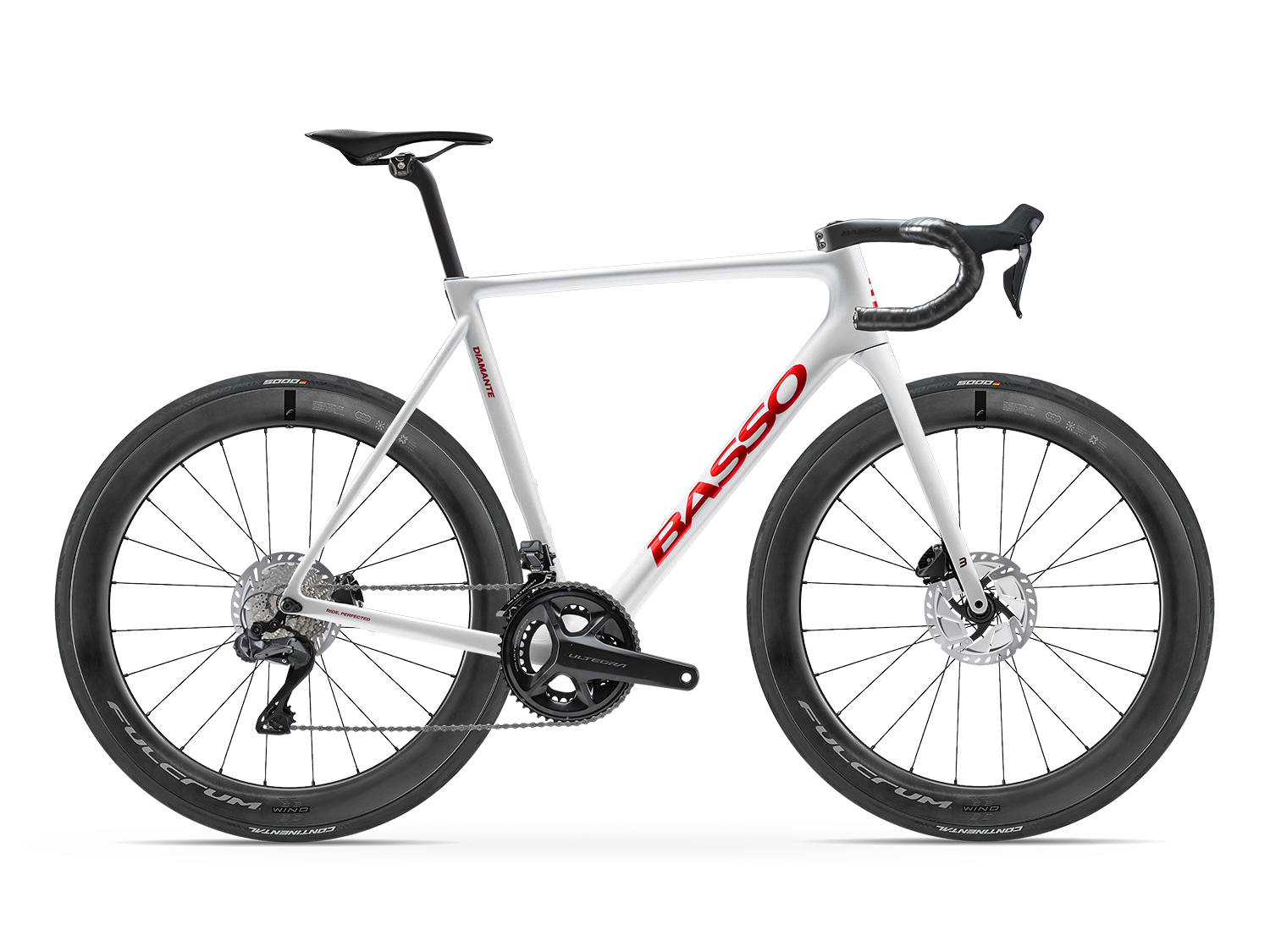
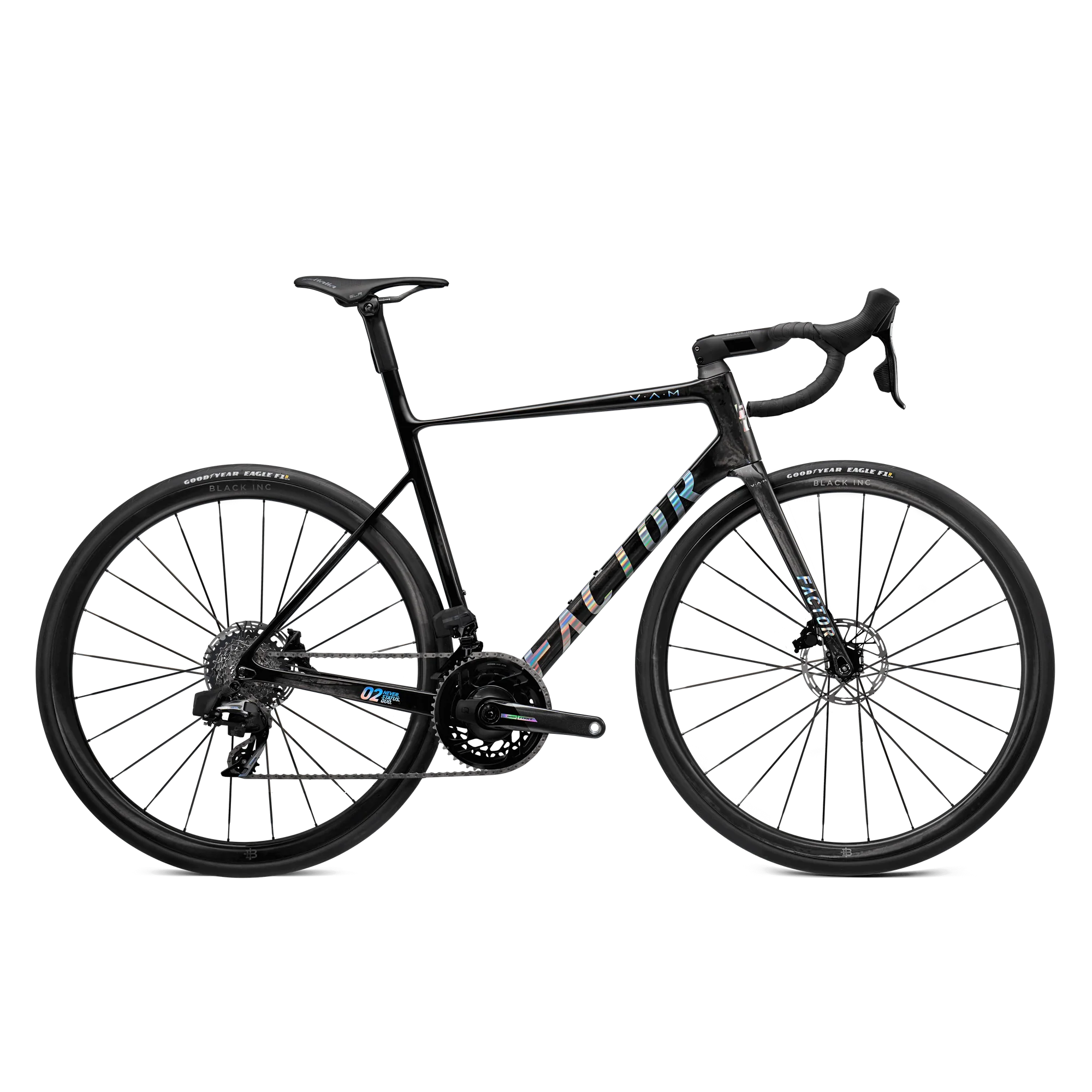
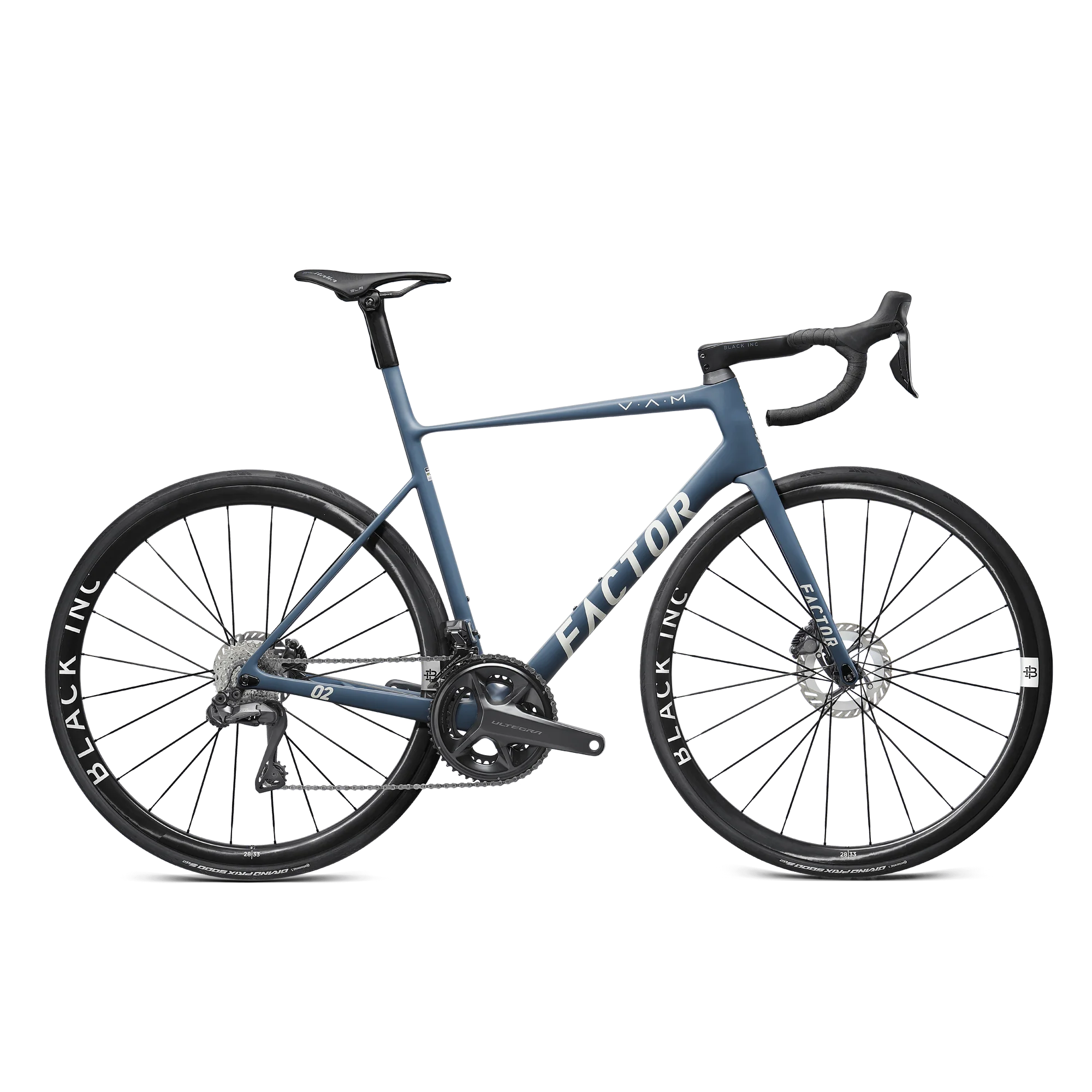
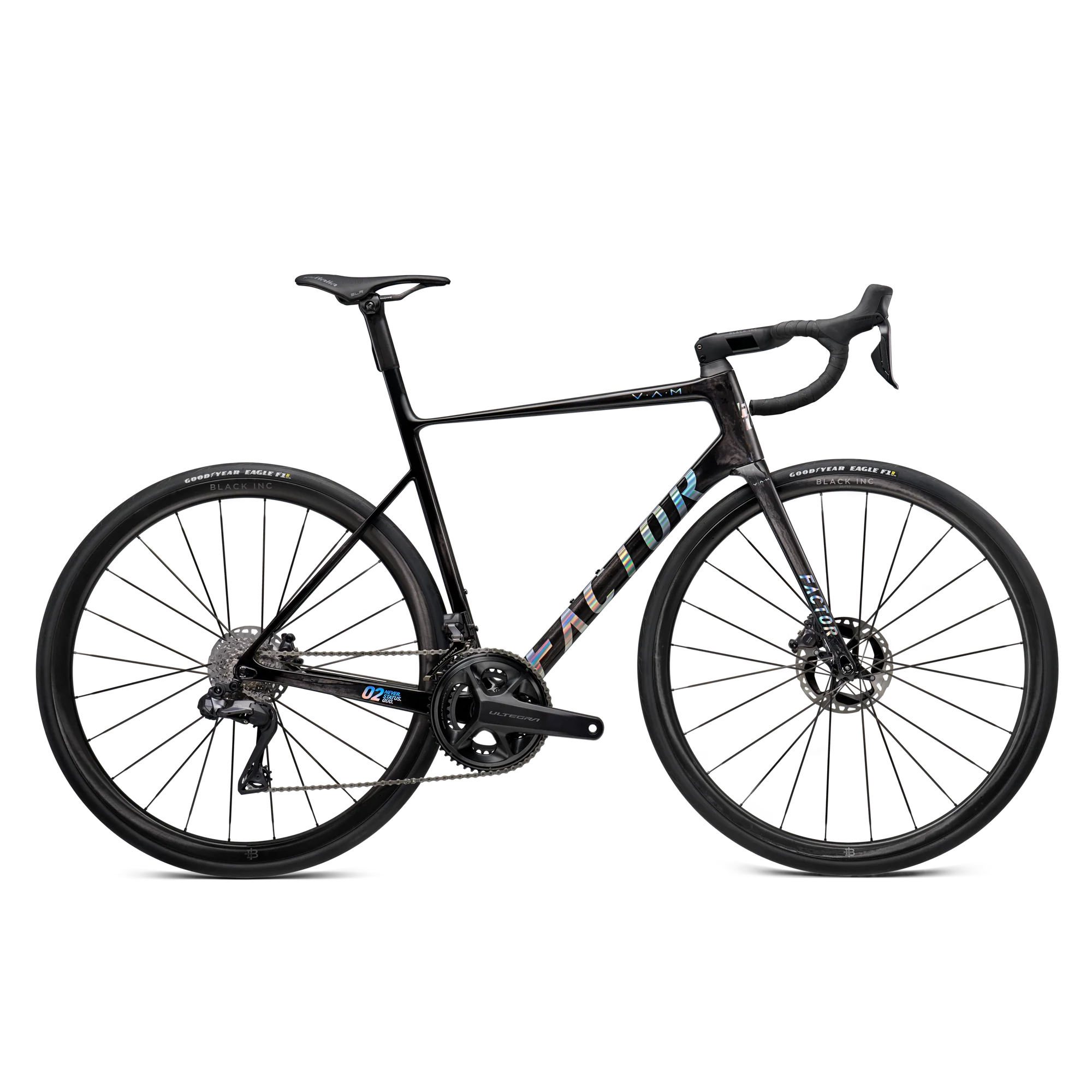
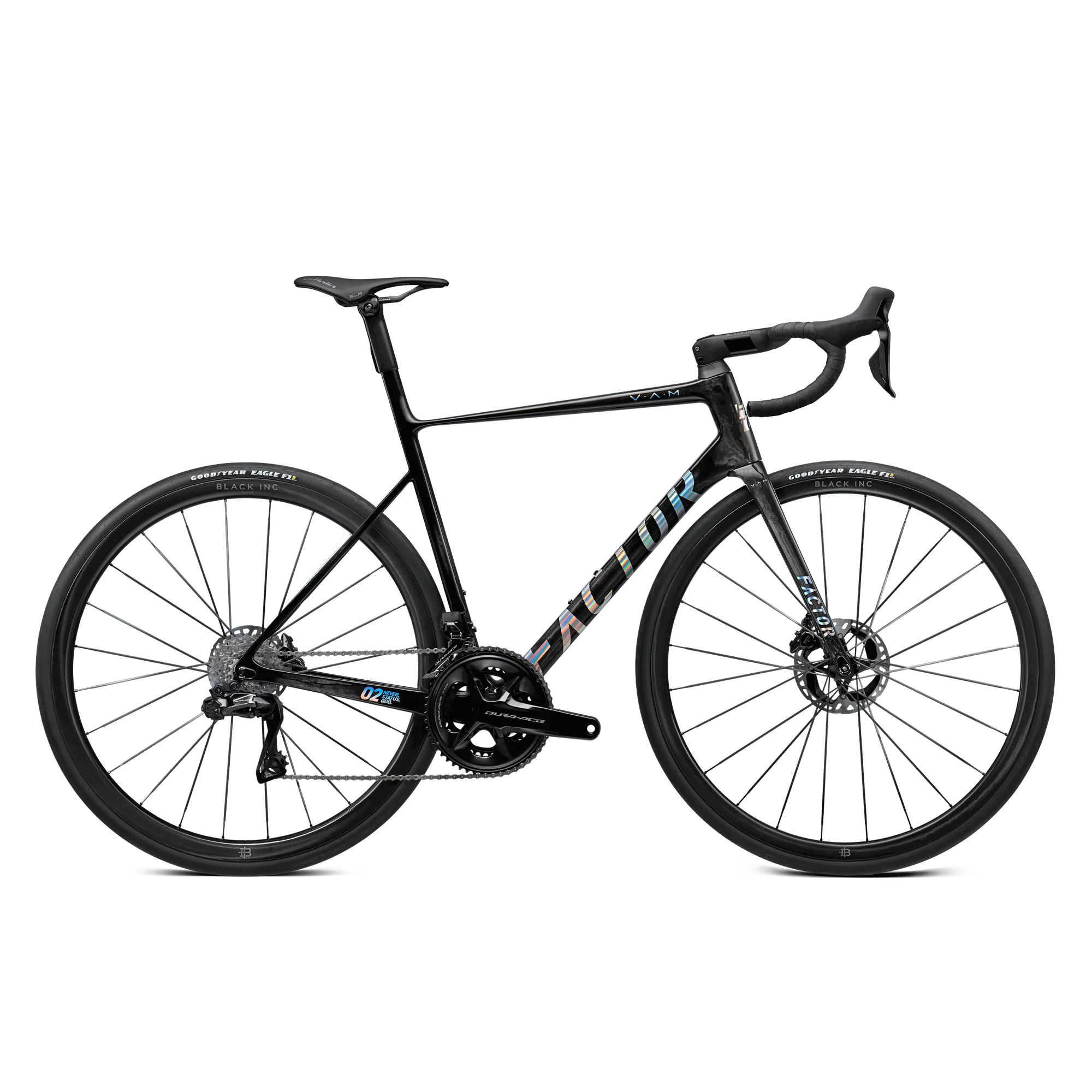
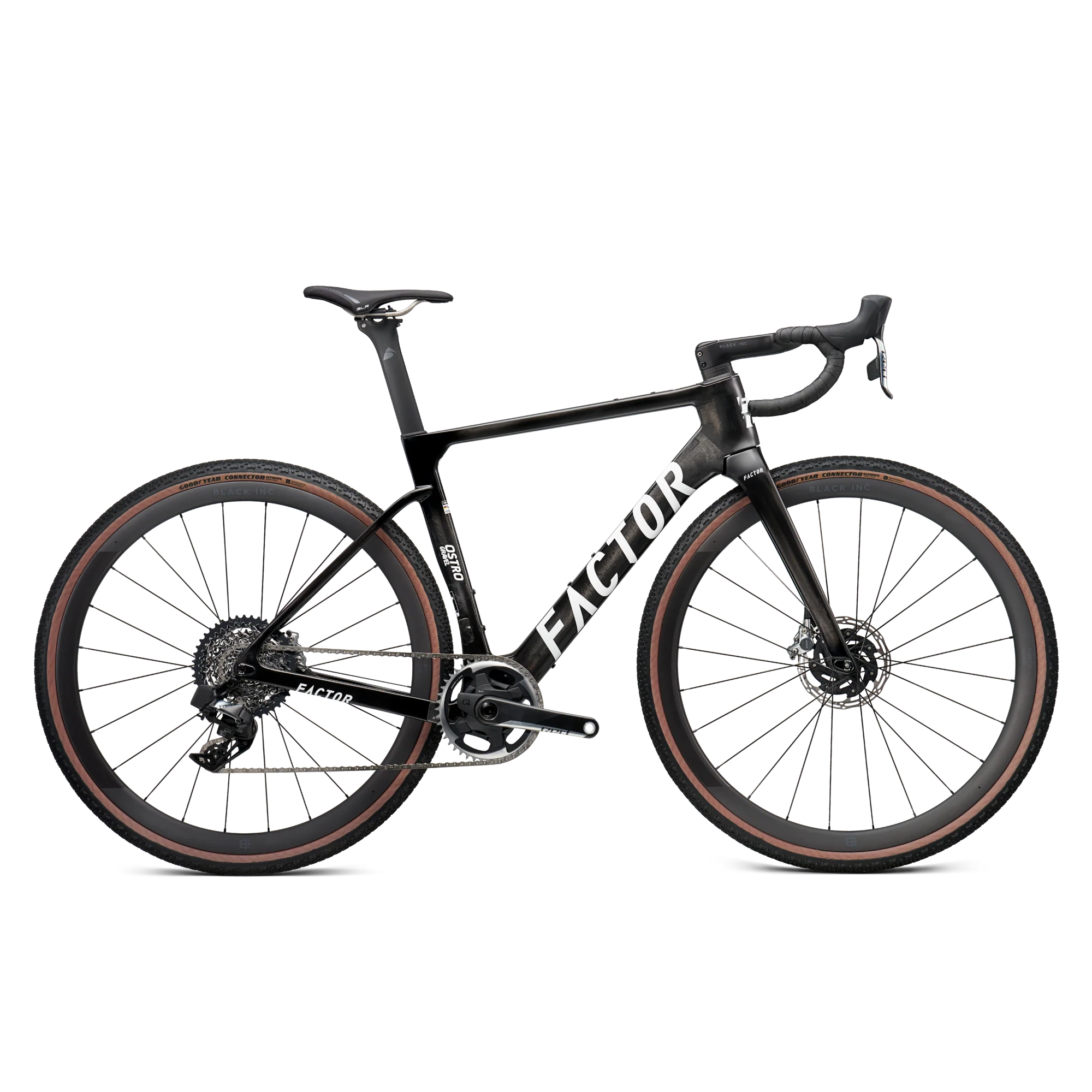
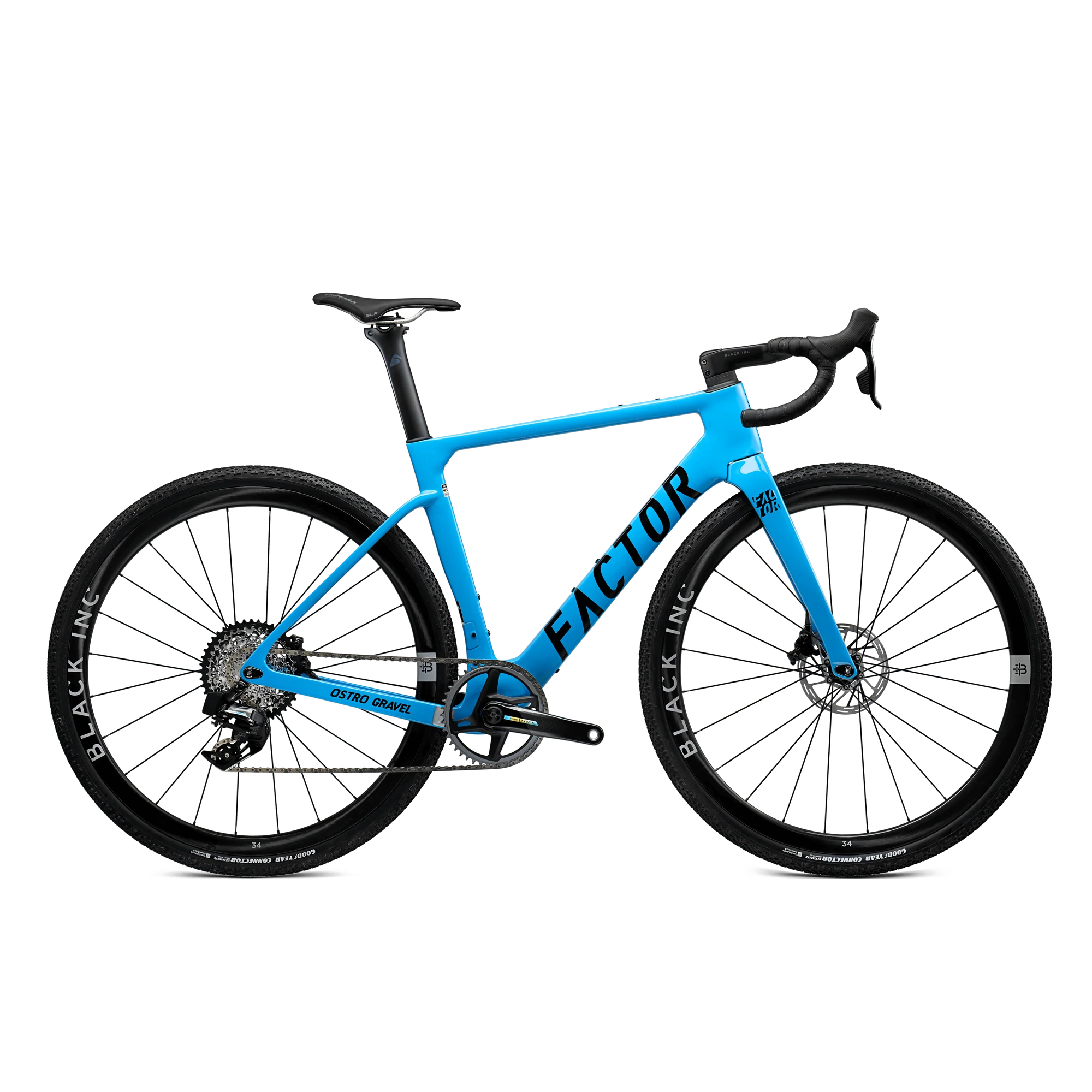
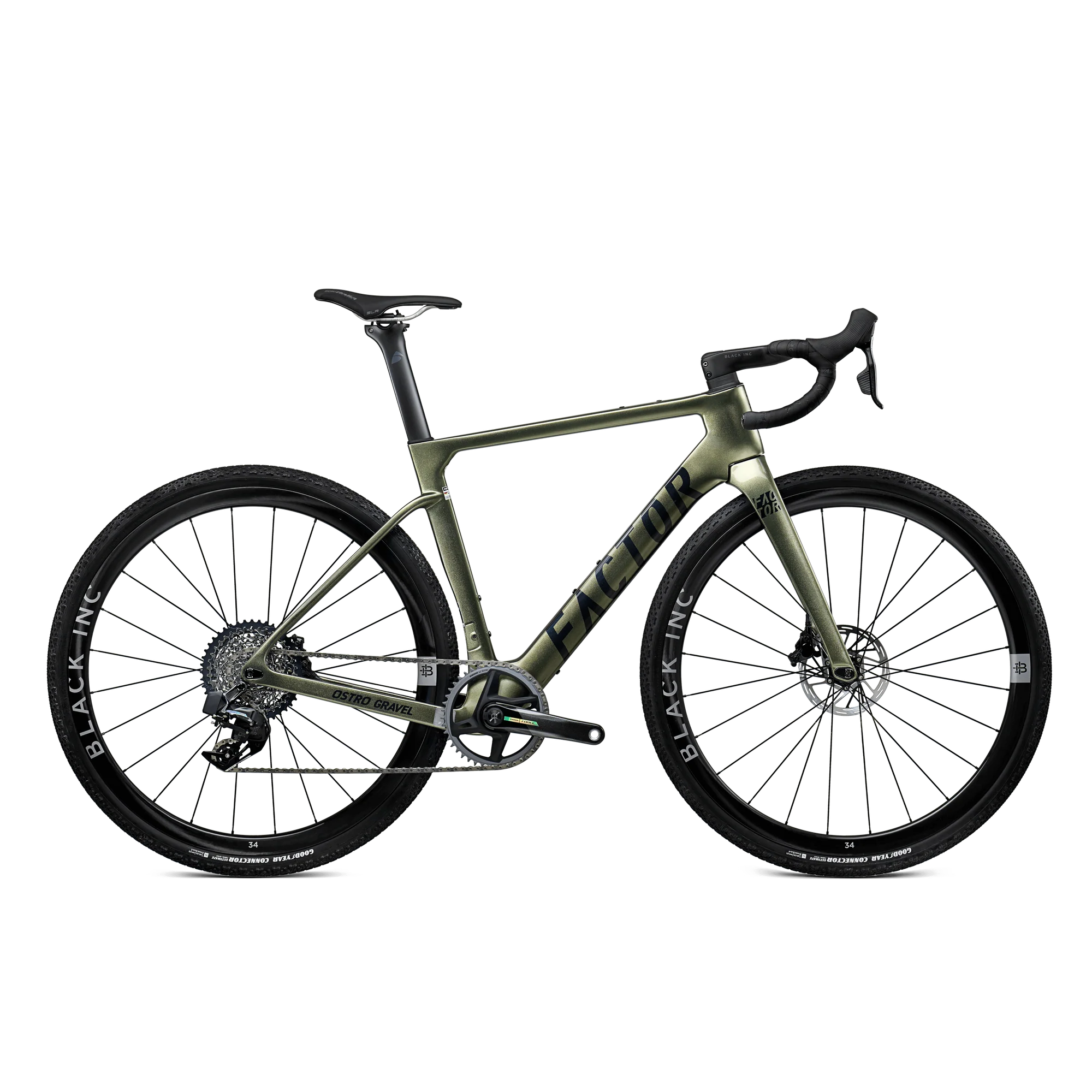
8. And now... the bike
We've reached the point everyone was waiting for.
Does the bike matter?
Of course.
Current bikes are:
- Stiffer.
- Lighter.
- More aerodynamic.
- More efficient.
- More comfortable.
But the reality is that these improvements offer their full potential when all other variables are also optimized.
An extraordinary bike cannot compensate for a bad position, ill-adjusted tires, or insufficient training.

So... what should you improve first?
If our goal was to gain speed by investing money as intelligently as possible, this would probably be the order:
- Training.
- Position on the bike (Bike Fitting).
- Tires and pressures.
- Well-fitted technical clothing.
- Helmet.
- Wheels.
- Bike.
It doesn't mean the bike is unimportant.
It means it reaches its true potential when everything else is also working.
How we see it at Dog Days
We are passionate about high-performance bikes.
We work with some of the most advanced brands on the market because we firmly believe in them.
But we also know that performance doesn't depend solely on the frame.
That's why we always try to understand how each cyclist rides before recommending a specific bike, wheels, or component.
Because the fastest bike isn't necessarily the most expensive.
It's the one that works best for you.