

Dog Days Journal · Technology
Does it make sense to buy a €10,000 bicycle?
What you're really paying for and when a bicycle stops being a purely rational decision.
A €10,000 bike is not ten times better than a €1,000 one. Nor is it twice as fast as a €5,000 one.
That doesn't mean its price is necessarily absurd. As a bicycle approaches the highest technical level, each additional improvement becomes more complex and costly.
You pay to reduce weight, improve aerodynamics, develop specific laminates, integrate components, and eliminate small overall limitations.
You also pay for design, finishes, exclusivity, customization, and the pleasure of using an exceptional object.
Reading time: 8 minutesStarting point
The answer depends on what you expect from it
From a strictly functional point of view, it is not necessary to spend €10,000 to train, compete, or enjoy cycling at a very high level.
But a purchase is not always valued solely by necessity. It can make sense when you can afford it, know the product, and value both its performance and its design and user experience.
01 · The price breakdown
What are you really paying for?
The final price doesn't just belong to the frame, groupset, or wheels. It's the sum of engineering, materials, manufacturing, components, distribution, support, and positioning.
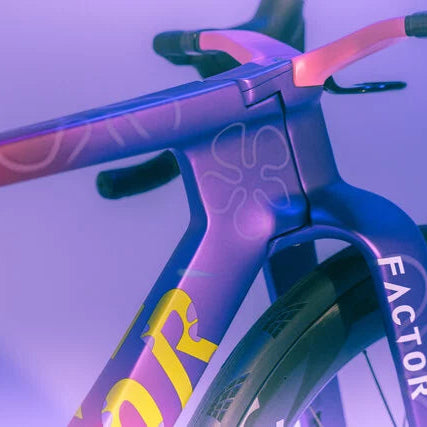
Molds, carbon layup, prototypes, testing, stiffness, weight, aerodynamics, and finishes.
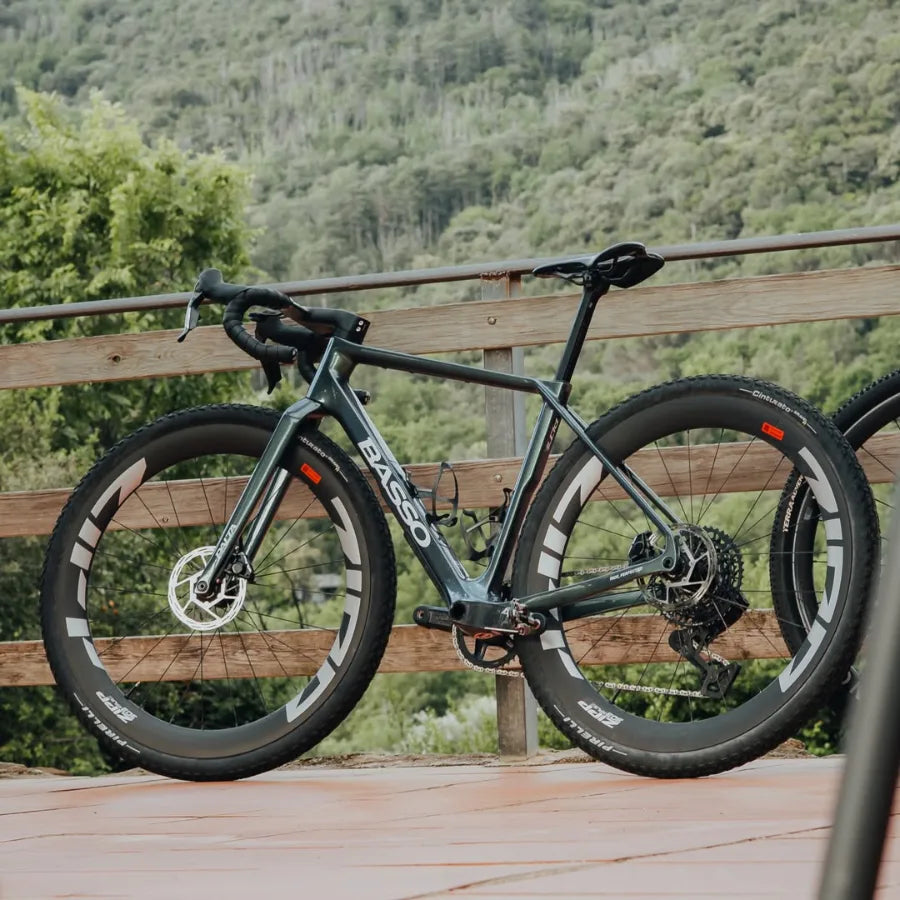
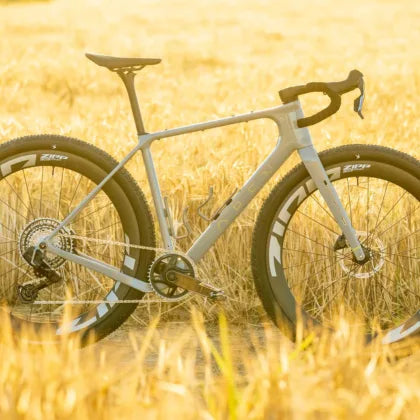
Profile, width, wind stability, hubs, carbon, and aerodynamic development.
Electronics, ergonomics, materials, lower weight, and usually, power measurement.
Cockpit, cabling, seat post, and components developed to work as a single system.
Paint, customization, manual processes, exclusivity, and quality control.
Distribution, warranty, technical support, assembly, spare parts availability, and after-sales service.


Diminishing returns
Each improvement costs more than the last
On a basic bicycle, changing tires, brakes, or wheels can produce a clear transformation.
When the whole package is already excellent, making progress becomes much more difficult. Reducing a few grams or slightly improving aerodynamics requires an ever-increasing investment.
Conceptual representation. Not a universal scale of performance or speed.
02 · Actual performance
Is it really faster?
It can be, but the difference doesn't depend solely on the price. Speed arises from the interaction between position, aerodynamics, tires, wheels, drivetrain, weight, and the rider's ability.
A premium bike can eliminate small material limitations. It cannot replace training, technique, or a properly adjusted position.
What you do buy
Technical refinement
- Lower weight.
- Better aerodynamic integration.
- Higher-level wheels.
- More exclusive components.
- Finishes and customization.
What you don't buy
Guaranteed performance
- Physical condition.
- Riding technique.
- Consistency in training.
- A correct size.
- Automatic speed.
03 · Where the difference is noticeable
Not all components contribute the same
Some changes are clearly perceptible when riding. Others focus on weight, aesthetics, finish, or exclusivity.
Top-tier carbon frame
Can use a more complex laminate and specific material distribution to balance weight, stiffness, absorption, and aerodynamics.
The difference doesn't always translate into a radical sensation, especially compared to a well-designed frame from the immediately lower range.
Carbon wheels
They are one of the components where the change can be most noticeable. They influence acceleration, aerodynamics, wind stability, and tire behavior.
Shimano Dura-Ace or SRAM RED
They offer lower weight, exclusive materials, and superior finishes. The functional difference compared to Ultegra or Force is usually smaller than the economic difference.
Integrated cockpit
Reduces exposed cables and improves aerodynamic and visual continuity. It can also limit adjustment and make certain maintenance operations more expensive.
Power meter
Allows quantifying effort and structuring training. Its value depends on the data being interpreted and used correctly.
Paint and customization
Special finishes can raise the price without adding speed. Their value belongs to design, craftsmanship, exclusivity, and emotional experience.

A perceptible change
Wheels can transform the experience
They affect acceleration, aerodynamics, crosswind stability, and the actual tire shape.
That's why they usually represent a significant part of the budget for a premium build.
Weight and aerodynamics
The lightest bike is not always the fastest
Weight gains importance when climbing and accelerating. On flats, descents, and fast routes, aerodynamic drag can have a greater impact.
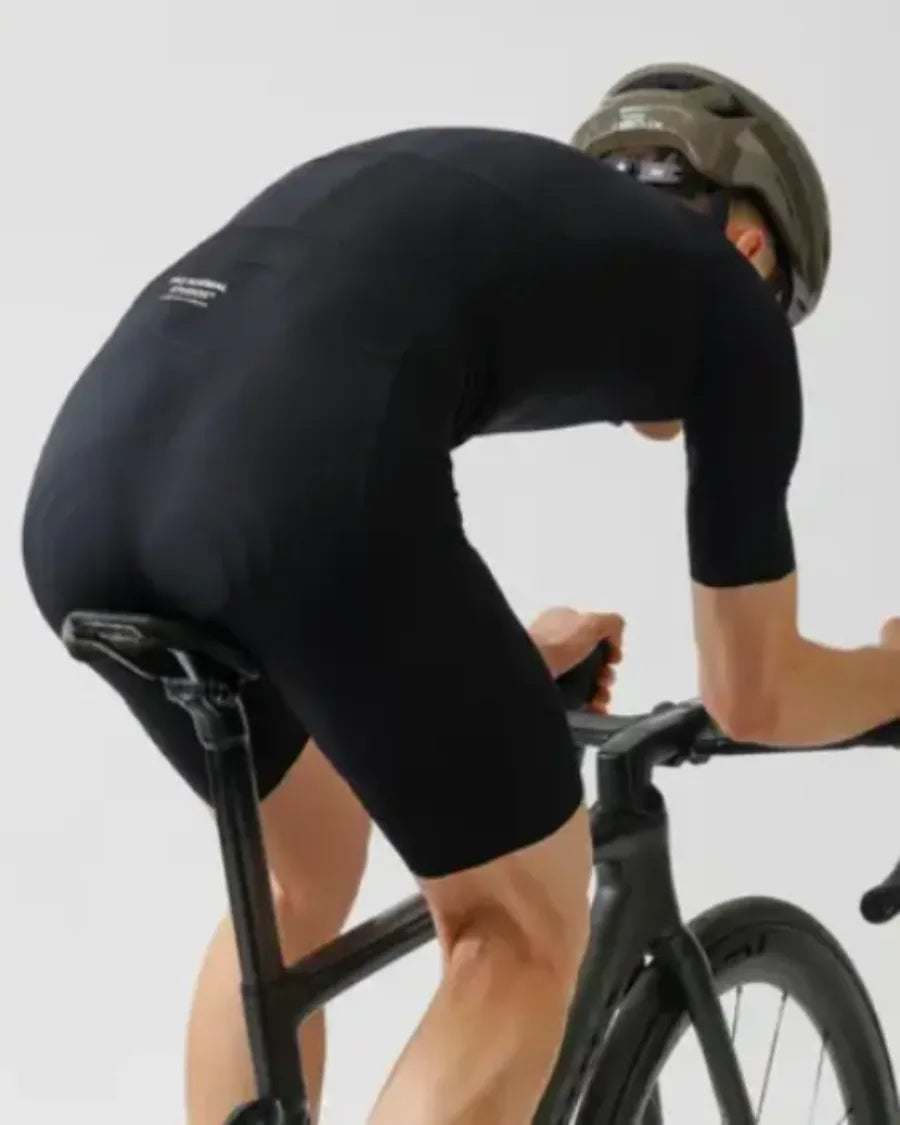
The ideal bicycle doesn't minimize a single variable. It balances position, weight, aerodynamics, control, wheels, and tires.
Lower weight
More relevant when climbing
Reduces the mass that needs to be lifted, although it is part of the total weight of the rider, bike, water, and equipment.
Lower drag
More relevant at high speed
Posture, wheels, and integration can contribute more than a small reduction in grams.
The price doesn't end with the bike
The purchase is just the first cost
A premium bicycle may require specific components, more workshop time, and careful planning of size and position.
Bike fitting and cockpit changes
An integrated cockpit may require replacing handlebar and stem as a single piece. It's advisable to validate measurements before finalizing the build.
Maintenance and consumables
Chains, cassettes, pads, discs, bearings, and tires are still wear-and-tear items, regardless of the bike's price.
Insurance
For high-value bicycles, insuring against theft, accidental damage, or transport may be reasonable.
Specific spare parts
Derailleur hangers, seat posts, cockpits, quick releases, and small proprietary parts should be part of the purchase evaluation.
04 · The decision
Does it make sense for you?
The purchase is more coherent when you can answer affirmatively to most of these questions.
Myth / Reality
What the price doesn't always explain

Conclusion
Yes, it can make sense. But not out of necessity.
A €10,000 bike can combine an exceptional frame, wheels, drivetrain, and finishes.
It won't automatically turn its owner into a stronger cyclist. Nor will it double the speed of a well-adjusted bike that costs much less.
The purchase is reasonable when you know you don't need it and still value everything it offers.
Frequently asked questions
Before deciding
Is a €10,000 bike worth it?
It can be worth it for someone who values the highest level of components, integration, design, and finishes, provided they can afford the cost and the bike suits their needs.
Is it much faster than a €5,000 bike?
Not necessarily. It may be lighter, more aerodynamic, or more refined, but the speed difference is usually much smaller than the price difference.
Which component makes the biggest difference?
It depends on the starting point. Position, tires, and wheels usually have a particularly important influence on performance and feel.
Is Ultegra or Dura-Ace better?
Ultegra offers many Dura-Ace features with slightly more weight and a lower price. Dura-Ace adds superior materials, lightness, and finishes.
Is it better to invest in the frame or the wheels?
The frame defines the geometry and position. Wheels can produce a very noticeable change in acceleration, aerodynamics, and stability.
Does an expensive bike require more maintenance?
Not always, but internal cabling, integrated cockpits, and specific components can complicate certain operations.
What should I check before buying it?
Size, geometry, cockpit, wheels, tires, gearing, warranty, availability of spare parts, and maintenance cost.