

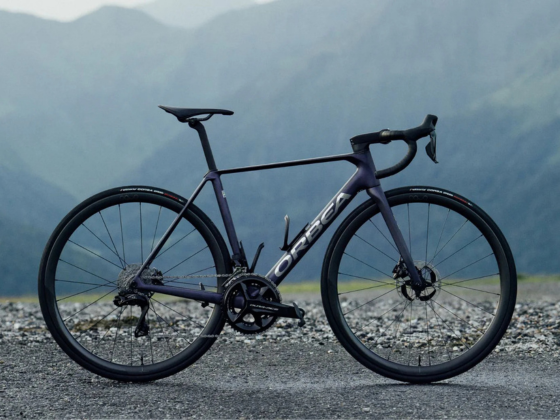


Are carbon wheels worth it? A guide for road and gravel bikes
If you're thinking about upgrading your bike, carbon wheels are the upgrade with the most real impact on feel, speed, and aesthetics . But when will you really notice the difference? Which rim profile should you choose? And what's the difference between road and gravel? Here's a practical, straightforward guide.

What do you (really) gain from carbon?
- Lower rotational inertia: accelerates sooner and responds better to changes in pace.
- Greater lateral rigidity: transmits power better and provides a more precise line through corners.
- Aerodynamics: medium/high profiles reduce drag from ~30 km/h.
- Stability: Wider modern rims improve tire support and grip.
- Tubeless-ready: almost all current carbon wheels allow it.
When is it most noticeable?
- Road: If you train often, do fast group rides or races, you'll notice more cruising speed and better inertia.
- Gravel: with a wide rim and generous internal width, the tire provides better support, more control, and fewer punctures with tubeless tires.
- Routes with wind: choose medium profiles (40–50 mm) with good lateral control; avoid very high profiles if you are light or will be riding on windy mountain passes.
How to choose the profile (road)
- 30–38 mm: versatile, climbers, very manageable in windy conditions. Ideal for mountain passes and steep days.
- 40–50 mm: a balance between aerodynamics and control. The "all-rounder" option on most modern bikes.
- 50–60+ mm: maximum aerodynamics for flat terrain and fast riding. They require a bit more skill in crosswinds.
Internal width of rim and tire
Wider internal width = better tire support. This translates to more grip and the ability to run lower pressures without sacrificing precision.
- Road: 19–23 mm internal for 28–32 mm tires.
- Gravel: 23–25 mm (or more) internal for 38–45 mm.
Road vs Gravel: Key Differences
- Road: prioritize profile and stiffness while maintaining control in the wind. Lower pressures with 28–32 mm tires improve comfort and actual speed on rough asphalt.
- Gravel: prioritize internal width , hub reliability, and tubeless setup. Absolute weight matters less than strength and low-pressure performance.
Brakes, hubs and spokes
- Disc: current standard; look for robust flanges and good heat dissipation.
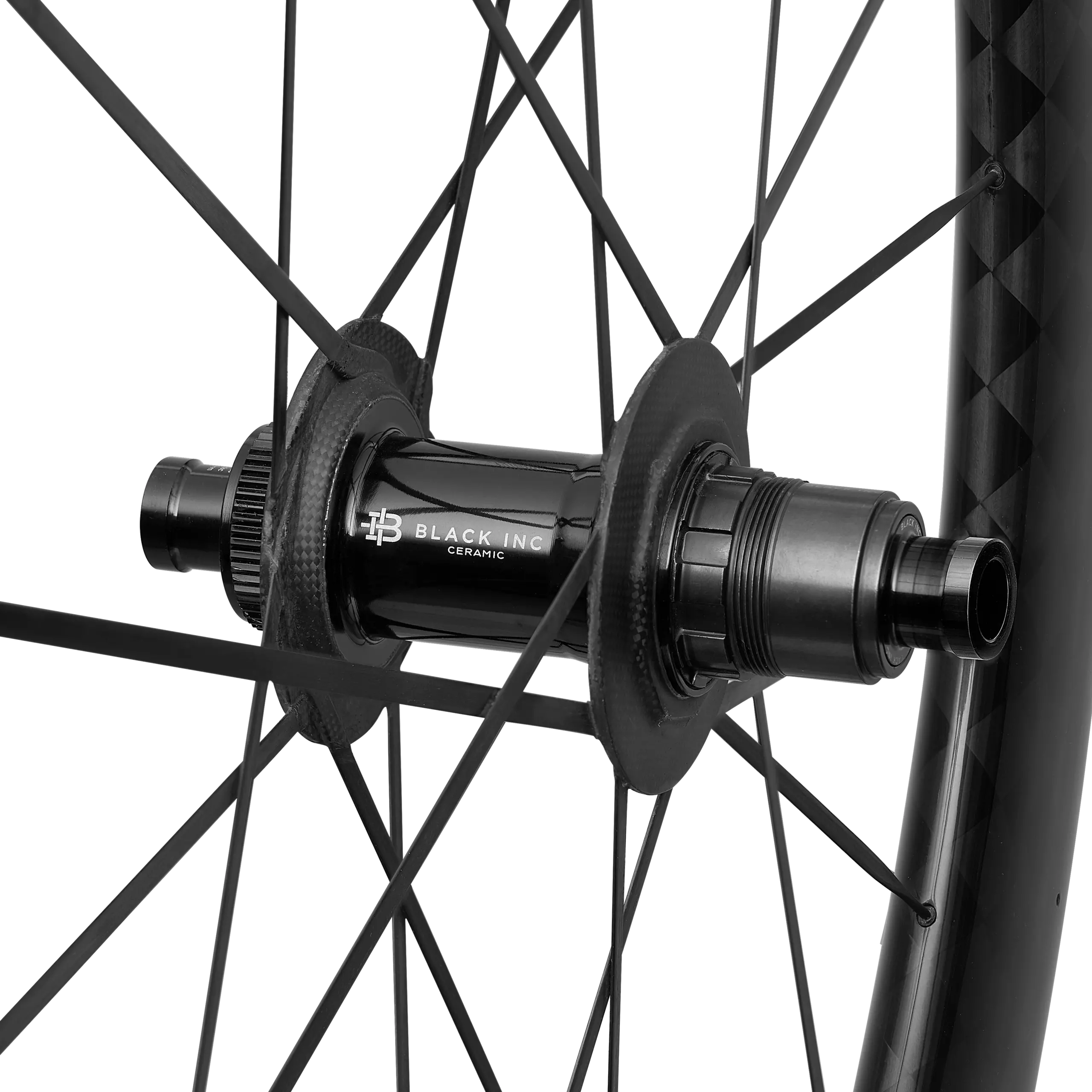
- Bushings: good sealing + fast engagement (less "dead" when restarting) = more technical control.
- Spokes: bladed improve aerodynamics and stiffness; the spoke pattern influences the feel of the wheel.
And the weight?
It matters, but it's not everything. On flat terrain/at speed, a slightly heavier but more aerodynamic wheel can be faster . On long climbs, a light and stiff wheel is a welcome improvement. Find the right balance for your usual riding conditions.
Maintenance and durability
- Check tension and alignment periodically, especially after impacts.
- Use recommended torque settings (disc/rotor) and quality tubeless tape .
- Address hub noises: better preventative service than breakdowns on the road.

Dog Days Recommendation
- "All-around" road tire: 45–50 mm profile, 21–23 mm internal width, tubeless with 28–30 mm.
- Climbing/Ports: 35–40 mm, emphasis on weight and stiffness.
- Multipurpose gravel: internal 23–25 mm with 40–45 mm tubeless.
Any questions? We'll customize it to your needs.
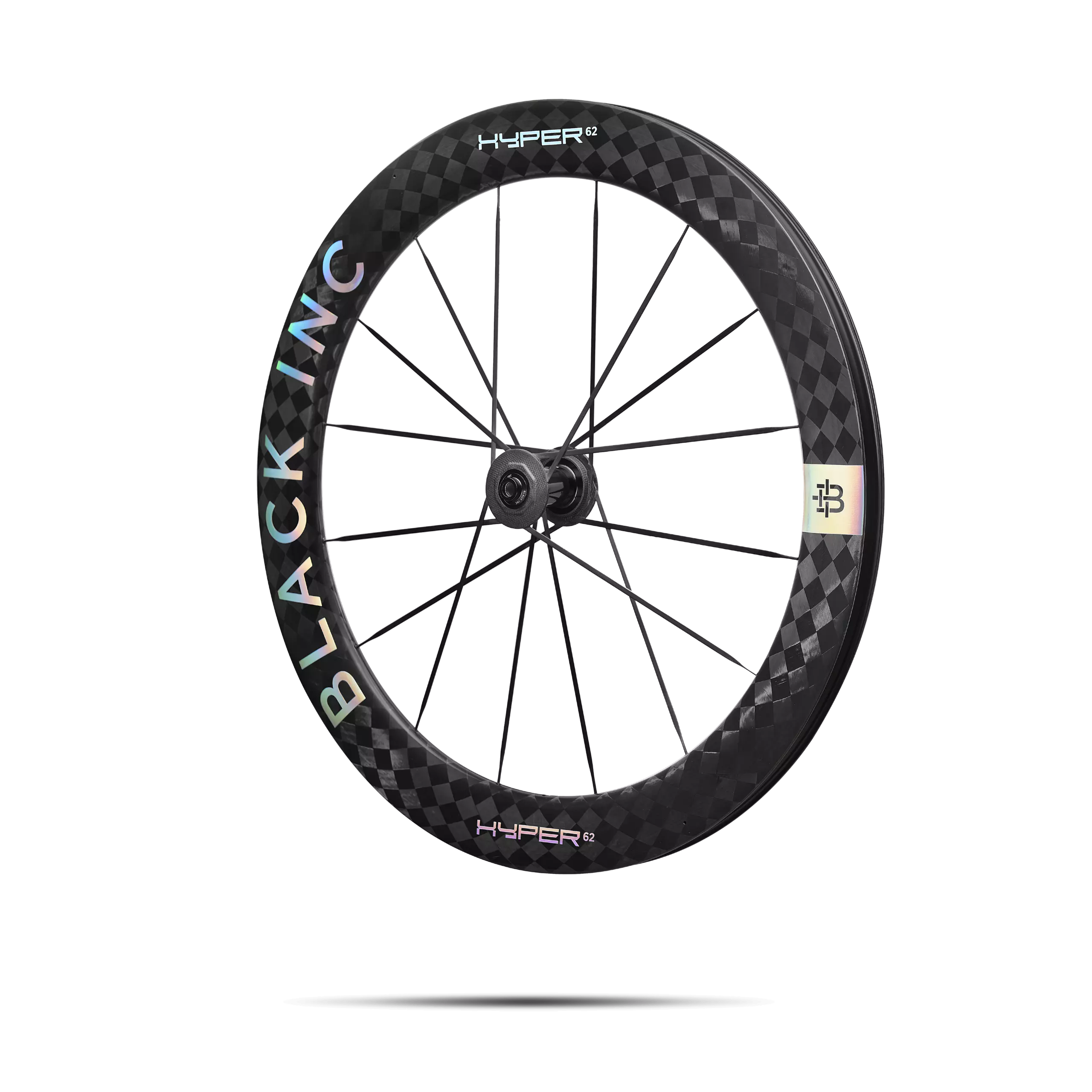
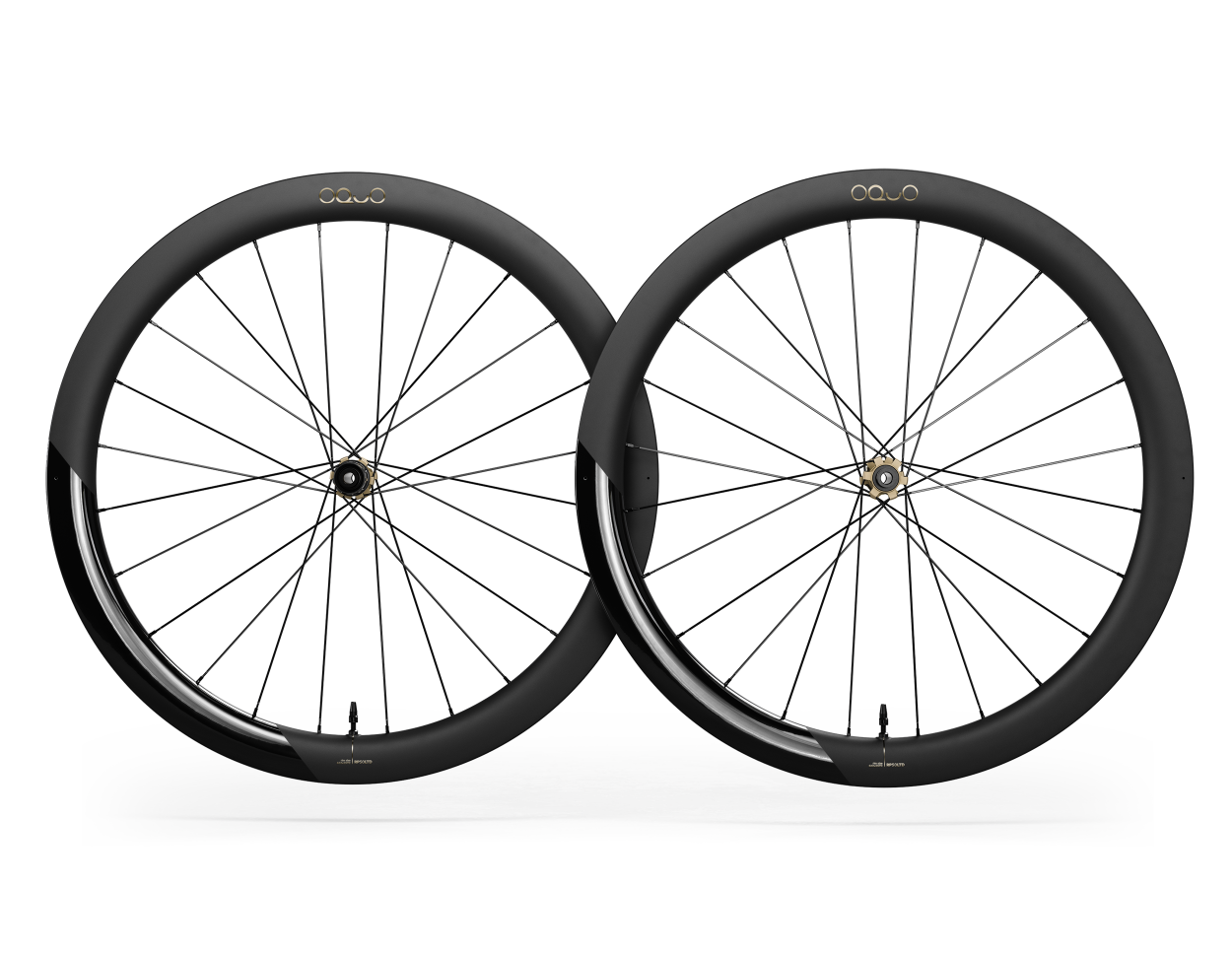
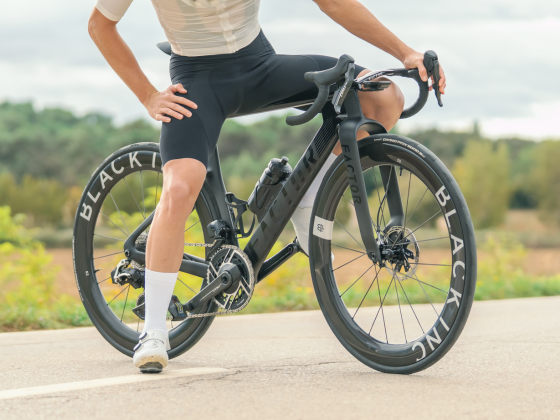
At Dog Days, we work with high-performance components (for example, Black Inc wheels on Factor bikes or OQUO wheels on Orbea bikes), and we'll advise you based on your bike, your weight, your routes, and your riding style . If you'd like to try it out, contact us or stop by the shop.
Good wheels can transform your bike. And your rides.